

 English


Industry News
What Factors Determine the Quality of Colored Polyester Monofilament?
2026-05-28
Content
- 1 Why Quality Control Matters in Colored Polyester Monofilament
- 2 Raw Material Quality and PET Resin Selection
- 3 Colorant Selection and Masterbatch Formulation
- 4 Extrusion Process Parameters and Melt Quality
- 5 Drawing and Orientation: The Mechanical Property Foundation
- 6 Heat Setting and Dimensional Stability
- 7 Diameter Tolerance and Winding Quality
- 8 Environmental Conditions and Process Consistency
Why Quality Control Matters in Colored Polyester Monofilament
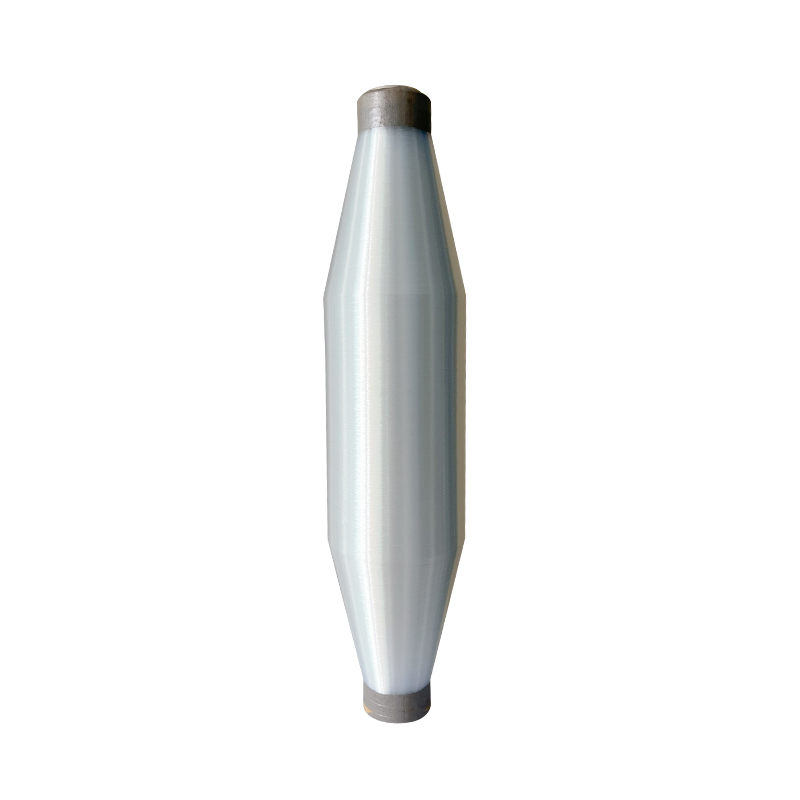
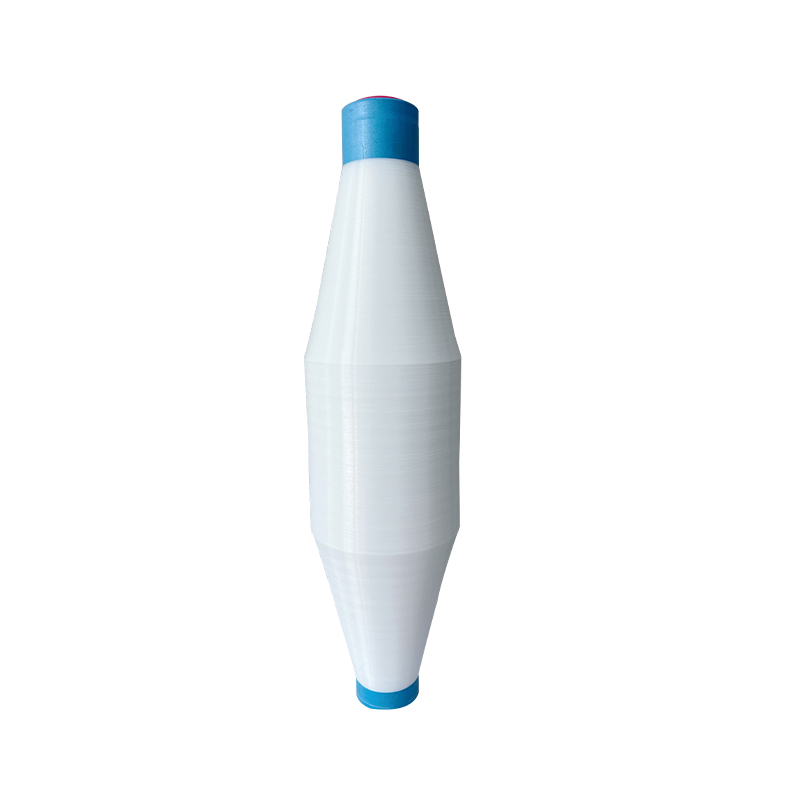
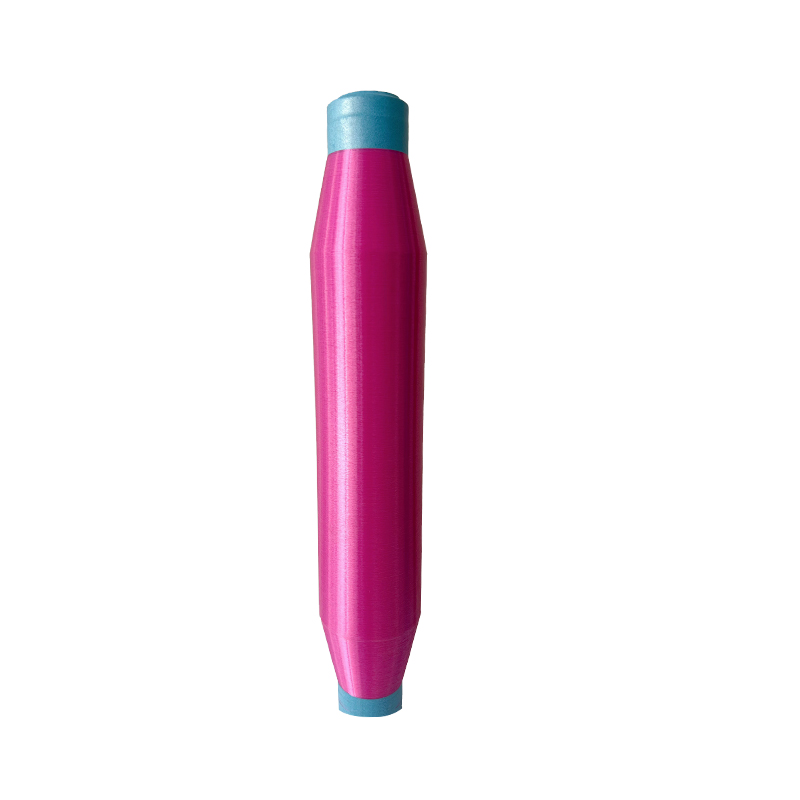
Colored polyester monofilament is a single-strand synthetic fiber produced from polyethylene terephthalate (PET) resin, extruded into a continuous filament and colored through masterbatch or solution dyeing processes. It is used across a remarkably wide range of applications—fishing lines, industrial filtration fabrics, screen printing meshes, weaving yarns, bristles for brushes, and decorative textiles. In every one of these applications, the end-use performance of the product depends directly on the quality of the monofilament itself.
Quality in colored polyester monofilament is not a single measurable attribute but a combination of mechanical properties, color consistency, surface finish, dimensional accuracy, and durability under specific service conditions. A fishing line that breaks unpredictably, a screen mesh that exhibits color variation across its width, or a filtration fabric with inconsistent diameter tolerance—all of these failures trace back to specific, identifiable quality factors in the production process. Understanding those factors is essential for manufacturers seeking to improve yield and for buyers seeking to evaluate supplier capability.
Raw Material Quality and PET Resin Selection
The foundation of any colored polyester monofilament's quality is the PET resin from which it is made. PET resin is characterized by its intrinsic viscosity (IV), which reflects the molecular weight and chain length of the polymer. For monofilament production, resins with an IV in the range of 0.62 to 0.90 dL/g are typically specified, with the exact value chosen based on the intended application. Higher IV resins produce filaments with greater tensile strength and elongation, which is critical for applications such as fishing lines and industrial ropes. Lower IV resins are more suitable for fine-diameter meshes where flexibility and knot performance are prioritized.
Moisture content in the PET resin prior to extrusion is one of the most consequential quality variables. PET is hygroscopic—it absorbs moisture from the atmosphere readily—and if the resin is not dried to below 50 ppm moisture before entering the extruder, hydrolytic degradation will occur during melting. This reduces the molecular weight of the polymer, resulting in a filament with lower tensile strength, increased brittleness, and reduced resistance to fatigue. Consistent pre-drying using desiccant dryers, with careful monitoring of dew point and residence time, is a non-negotiable step in maintaining raw material quality.
Critical Raw Material Parameters to Monitor
- Intrinsic viscosity (IV) — must match the application specification and remain consistent batch to batch
- Moisture content — must be below 50 ppm before extrusion to prevent hydrolytic degradation
- Resin purity — presence of oligomers, catalyst residues, or foreign particles causes surface defects and weak points
- Batch-to-batch consistency — variation in resin IV between production lots causes shifts in mechanical properties
Colorant Selection and Masterbatch Formulation
Introducing color into polyester monofilament is achieved primarily through masterbatch addition—concentrated pigment or dye dispersed in a PET carrier resin—blended with the base resin at the extruder feed throat. The quality of this coloring process has a profound effect on both the aesthetic and functional properties of the finished monofilament. A poorly formulated or incompatible masterbatch can introduce a cascade of quality problems that are difficult to detect until the product reaches the customer.
Pigment dispersion quality is arguably the most important masterbatch parameter. If pigment particles are not uniformly and finely dispersed within the carrier resin, they will create micro-inclusions in the extruded filament. These inclusions act as stress concentrators, reducing tensile strength and elongation at break values significantly. In fine-diameter monofilaments—those below 0.2 mm—even a small undispersed pigment agglomerate can cause a filament break during drawing, leading to production downtime and wasted material. Premium masterbatches use high-shear compounding equipment and surface-treated pigments to achieve dispersion quality below 5 microns, which is the threshold for minimizing mechanical impact.
Color Fastness and Lightfastness Requirements
For outdoor applications such as fishing nets, agricultural shade nets, and outdoor furniture weaving, the lightfastness of the colorant is critical. UV radiation degrades organic pigments through photooxidation, causing color fading and, in severe cases, chain scission in the polymer matrix that weakens the filament mechanically. Pigments rated at Lightfastness Grade 7 or 8 on the Blue Wool Scale (ISO 105-B02) are recommended for extended outdoor use. Inorganic pigments such as carbon black, titanium dioxide, and iron oxides generally offer superior lightfastness compared to organic colorants, but they impose constraints on the achievable color palette and can affect melt rheology if not properly treated.
Extrusion Process Parameters and Melt Quality
The extrusion stage converts the dried, colored PET resin into a molten stream that is forced through a spinneret die to form the primary filament. The quality of this melt and the precision with which extrusion parameters are controlled directly determine the structural uniformity of the monofilament. Key extrusion variables include melt temperature, screw speed, back pressure, and residence time in the barrel.
Melt temperature must be maintained within a narrow window—typically 270°C to 295°C for standard PET grades—to achieve the correct melt viscosity for stable extrusion through the spinneret. Too high a temperature accelerates thermal degradation, reducing IV and generating acetaldehyde and other degradation products that cause yellowing and odor in the finished filament. Too low a temperature results in incomplete melting and high melt viscosity, causing pressure instability at the die, irregular filament diameter, and increased risk of spinneret blockage from incompletely melted resin or pigment agglomerates.
Spinneret Design and Die Quality
The spinneret—the precision-drilled die through which the melt is extruded—has a significant influence on filament cross-section uniformity and surface quality. Spinneret hole diameter, land length, and entry angle all affect the drawdown ratio and the level of melt fracture (surface irregularity caused by exceeding the critical shear rate at the die). Worn or damaged spinneret holes produce filaments with oval or irregular cross-sections, which translate directly into variable diameter, uneven dyeability, and reduced mechanical consistency. Regular spinneret inspection, ultrasonic cleaning, and retirement of worn components are essential maintenance practices for consistent monofilament quality.
Drawing and Orientation: The Mechanical Property Foundation
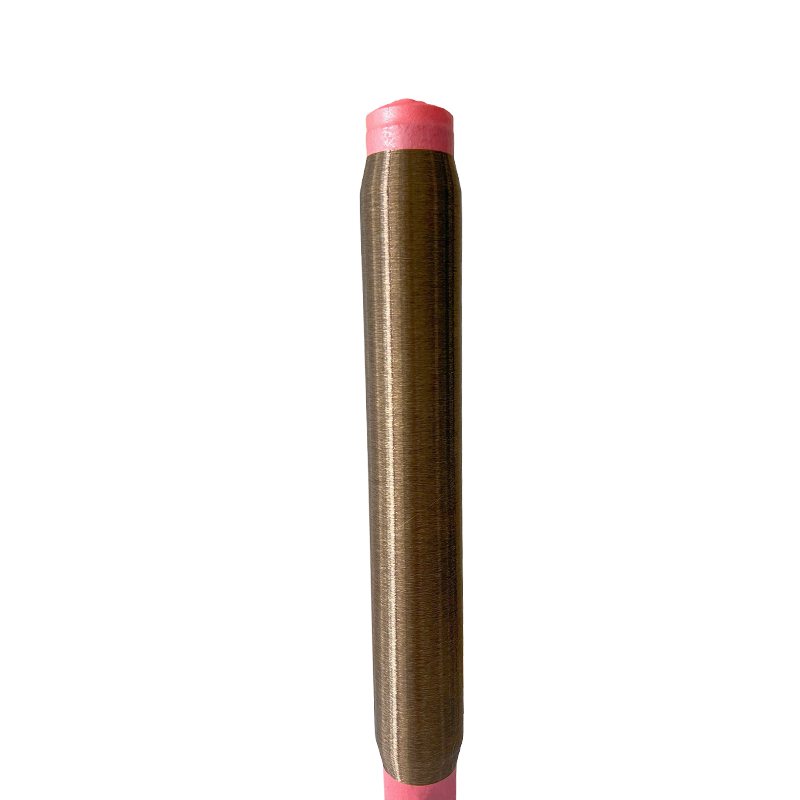
After extrusion, the as-spun filament is largely amorphous and has low tensile strength. The drawing process—stretching the filament over heated godets or in a hot water or steam bath—orients the polymer chains along the filament axis, inducing crystallinity and dramatically increasing tensile strength and modulus. The draw ratio (the ratio of the final filament length to its as-spun length) is the primary variable controlling the mechanical properties of the finished monofilament.
A higher draw ratio produces a filament with greater tenacity and stiffness but reduced elongation at break. A lower draw ratio gives a more flexible filament with higher elongation but lower strength. For colored monofilaments, the drawing process interacts with the colorant in important ways: pigment particles that were tolerated in the amorphous as-spun filament may become critical defects when the filament is drawn, because the stress concentration around each particle is amplified as the polymer chains are oriented. This is why masterbatch dispersion quality has such a direct impact on drawability and finished filament strength—the two are inseparable.
Drawing Process Variables and Their Effects
| Variable | Effect on Quality |
| Draw Ratio | Controls tenacity, modulus, and elongation at break |
| Draw Temperature | Affects crystallization rate and filament breakage frequency |
| Draw Speed Uniformity | Variations cause diameter fluctuation along filament length |
| Number of Draw Stages | Multi-stage drawing improves orientation uniformity |
Heat Setting and Dimensional Stability
After drawing, the oriented filament is under internal stress and will shrink if exposed to heat during downstream processing or in service. Heat setting—passing the drawn filament through an oven or hot godet at controlled temperature while maintaining tension—relieves these internal stresses, stabilizes the crystalline structure, and sets the filament at its final dimensions. The heat setting temperature and the level of tension applied during this stage control the residual shrinkage of the finished monofilament, which is a critical specification for weaving, knitting, and screen printing mesh applications where dimensional stability under processing heat is essential.
Insufficient heat setting leaves residual shrinkage in the filament, which manifests as distortion or puckering in woven fabrics when they are heat-finished or washed. Excessive heat setting at too high a temperature can cause surface degradation or yellowing, particularly in colored monofilaments where the thermal stability of the colorant must also be considered. Balancing heat setting conditions to achieve target shrinkage values—typically below 5% for most technical applications—while preserving color integrity and surface quality requires precise temperature control and consistent line speed.
Diameter Tolerance and Winding Quality
Diameter consistency along the length of a colored polyester monofilament is one of the most practically important quality attributes for downstream processors. Weavers, knitters, and net-makers set their machinery to specific tension and feed rate parameters based on the nominal filament diameter. Diameter variation beyond the specified tolerance—typically ±2% to ±5% depending on application—causes tension fluctuations that result in weaving defects, broken ends, and off-specification fabric properties.
Online laser diameter gauges are used in modern monofilament production lines to provide continuous, real-time measurement of filament diameter at multiple points along the line. These systems can detect variation at millisecond intervals and trigger automatic correction of extrusion output or winding speed to maintain diameter within tolerance. Winding quality—the uniformity and tension of the package as it is built on the bobbin or spool—also affects usability. A poorly wound package with crossed ends, variable layer tension, or core deformation will cause problems during unwinding, potentially leading to breakage or tangling that wastes material and production time.
Environmental Conditions and Process Consistency
Even with optimal raw materials and well-maintained equipment, colored polyester monofilament quality can be compromised by inconsistent production environment conditions. Ambient temperature and humidity in the production facility affect the cooling rate of the extrudate in the quench bath, the moisture re-absorption rate of dried resin during handling, and the behavior of the filament during drawing. Seasonal variation in these environmental parameters—common in facilities without full climate control—can cause quality shifts between summer and winter production that are difficult to diagnose without systematic environmental monitoring.
- Quench bath temperature must be controlled within ±1°C to ensure consistent as-spun filament structure and drawability
- Ambient humidity above 65% RH increases resin moisture pickup during handling, risking degradation despite correct drying
- Room temperature variation affects filament tension and winding behavior, causing package quality inconsistencies
- Contamination from dust or airborne particles in the production environment causes surface defects and filament breaks
- Documented process parameter logging enables correlation of quality shifts with environmental or equipment changes
Achieving consistently high quality in colored polyester monofilament production requires a systems-level approach in which raw material control, colorant formulation, extrusion precision, drawing optimization, heat setting, and environmental management are all treated as interconnected variables rather than independent steps. Manufacturers who invest in monitoring and control at every stage of this process consistently outperform those who focus on individual parameters in isolation, delivering product that meets specification reliably across production lots and over time.


GLOBAL BUSINESS
Backed by stable production capacity and integrated manufacturing and trading capabilities, Zhenyi Chemical Fiber is committed to serving customers in international markets. Our team provides responsive support throughout product selection, order coordination, export documentation and shipment arrangements. We aim to build long-term partnerships through consistent product quality, clear communication and dependable service.
Ready to Begin?
Categories
Contact Information

 +86-18258373586
 No. 318 Huiye Road, Fengming Subdistrict, Tongxiang, Jiaxing, Zhejiang, China.
Copyright © ZHENYI CHEMICAL FIBER All rights reserved.
