

 English
 Home / News / Industry News / What Makes Polyester Fancy Yarn a Top Choice in Modern Textile Manufacturing?
Industry News
What Makes Polyester Fancy Yarn a Top Choice in Modern Textile Manufacturing?
2026-05-21
Content
- 1 What Is Polyester Fancy Yarn?
- 2 Key Features of Polyester Fancy Yarn
- 3 Advantages of Polyester Fancy Yarn
- 4 Common Types of Polyester Fancy Yarn and Their Properties
- 5 Applications of Polyester Fancy Yarn Across Industries
- 6 Sustainability Considerations and Innovations
- 7 How to Select the Right Polyester Fancy Yarn
What Is Polyester Fancy Yarn?
Polyester fancy yarn is a specialized category of textile yarn engineered to deliver distinctive visual and tactile effects that standard yarns cannot achieve. Unlike conventional yarns, fancy yarns are deliberately constructed with irregularities — such as loops, knots, slubs, twists, or varied color segments — that create unique surface textures and aesthetic appeal. When these structural variations are combined with polyester's inherent material properties, the result is a highly functional yet decorative yarn that has carved out a significant place in modern textile manufacturing.
Polyester, as a base fiber, is derived from petroleum-based synthetic polymers, primarily polyethylene terephthalate (PET). Its compatibility with a wide range of yarn construction techniques makes it an ideal candidate for producing fancy yarns. Manufacturers can engineer polyester fancy yarns to exhibit specific characteristics — from high sheen and metallic glimmer to soft matte textures and chunky dimensional effects — making them an incredibly versatile raw material for designers and textile producers alike.
Key Features of Polyester Fancy Yarn
Polyester fancy yarn stands apart from other yarn types because of its engineered combination of aesthetic variety and performance reliability. The following features define what makes this yarn category unique:
Structural Diversity
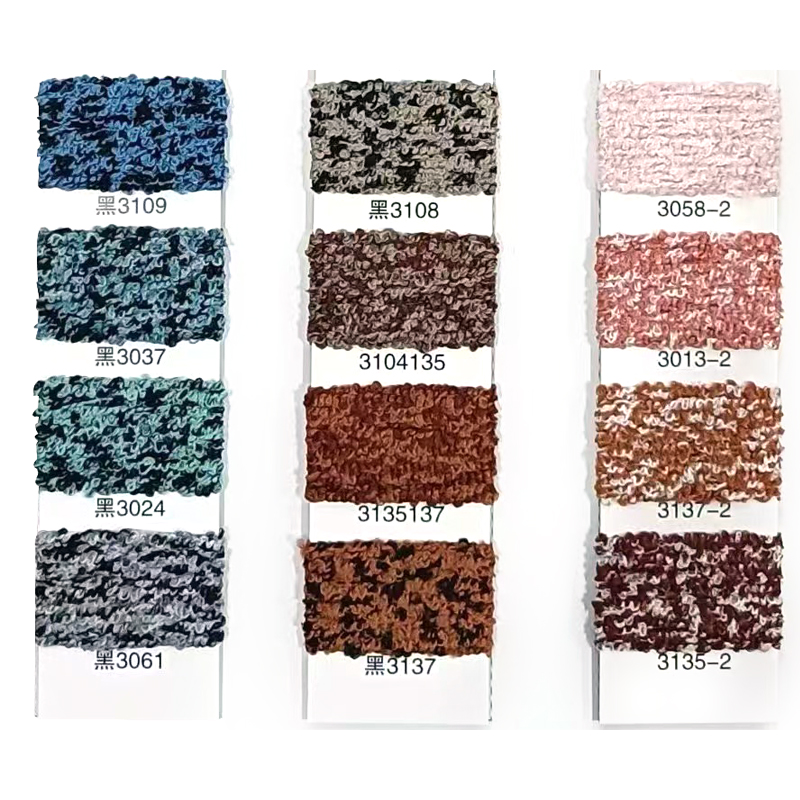
Polyester fancy yarns are produced in a wide array of structural forms. Common types include loop yarns, slub yarns, chenille yarns, bouclé yarns, feather yarns, and metallic twist yarns. Each structure is achieved through controlled variations in spinning tension, fiber feed rate, or the introduction of secondary yarns during the twisting process. This structural diversity means that a single material — polyester — can yield dramatically different visual and tactile outcomes depending on how it is processed.
Color Versatility
Polyester fibers accept dyes exceptionally well, particularly disperse dyes, which penetrate the polymer structure to produce vibrant, long-lasting colors. Fancy yarns made from polyester can be produced in solid colors, multicolor blends, space-dyed effects, or with color-changing properties under UV light. This dye affinity makes it easy for manufacturers to match specific pantone shades or create gradient effects that appeal to fashion-forward consumers.
Surface Texture and Luster
Depending on the fiber cross-section and finish applied during production, polyester fancy yarn can range from high-gloss and silky to subdued and matte. Tri-lobal polyester filaments, for example, reflect light similarly to natural silk, giving yarns a luxurious sheen. Textured or air-jet processed variants, on the other hand, produce a softer, more diffuse surface ideal for casual wear and home textiles.
Advantages of Polyester Fancy Yarn
Beyond aesthetics, polyester fancy yarn offers a compelling set of performance advantages that make it a preferred choice for manufacturers operating across multiple end-use sectors.
- Exceptional Durability: Polyester fibers are inherently strong and resistant to mechanical stress. Fabrics woven or knitted from polyester fancy yarn retain their structural integrity even after repeated washing and wearing cycles, making them suitable for high-use applications such as upholstery and workwear.
- Moisture Management: Polyester is hydrophobic, meaning it does not absorb water readily. This property allows moisture to wick away from the skin surface, keeping the wearer dry and comfortable. It also means the yarn dries quickly after washing, reducing energy consumption during laundry care.
- Wrinkle and Shrink Resistance: Unlike natural fibers such as cotton or wool, polyester fancy yarn does not shrink in the wash or wrinkle easily. This dimensional stability simplifies garment care and ensures that finished products maintain their original shape and appearance over time.
- Cost Efficiency: Polyester is one of the most cost-effective synthetic fibers available globally. When used as the base for fancy yarn, it allows manufacturers to produce visually complex, premium-looking products at a competitive price point — offering excellent value across the supply chain.
- UV and Chemical Resistance: High-quality polyester fibers exhibit good resistance to ultraviolet degradation and exposure to common household chemicals. This makes polyester fancy yarn particularly well-suited for outdoor textiles and decorative applications that experience prolonged sun exposure.
- Blending Compatibility: Polyester fancy yarn blends readily with natural and other synthetic fibers such as cotton, rayon, nylon, and wool. These blends allow manufacturers to tailor the final fabric's hand feel, breathability, and visual characteristics while retaining the structural benefits of polyester.
Common Types of Polyester Fancy Yarn and Their Properties
Understanding the different types of polyester fancy yarn helps buyers and designers select the most appropriate product for their specific application. The table below summarizes the most widely used variants:
| Yarn Type | Key Characteristics | Typical Use |
| Slub Yarn | Irregular thick-and-thin sections along the yarn body | Fashion fabrics, linen-look textiles |
| Loop Yarn | Protruding loops on the yarn surface for a soft, airy texture | Knitwear, home décor, scarves |
| Chenille Yarn | Dense pile wrapped around a core for a velvety feel | Upholstery, blankets, luxury garments |
| Metallic Fancy Yarn | Reflective metallic elements twisted into the yarn structure | Evening wear, decorative textiles |
| Feather Yarn | Fine fibers extending from a central core like feathers | Scarves, trims, novelty knitwear |
| Bouclé Yarn | Curled loops at intervals, creating a bumpy, textured surface | Jackets, coats, decorative weaves |
Applications of Polyester Fancy Yarn Across Industries
The combination of visual appeal and practical performance has made polyester fancy yarn an indispensable material across a broad spectrum of industries. Its applications span from high-fashion runways to everyday household items.
Fashion and Apparel
The fashion industry is the largest consumer of polyester fancy yarn. Designers use slub and bouclé variants to add textural interest to jackets, coats, and skirts, while metallic and glitter-infused fancy yarns are staples in eveningwear collections. Fast-fashion brands benefit from polyester's cost efficiency and ease of dyeing, allowing them to produce trend-responsive collections quickly without sacrificing visual quality. Knitwear lines increasingly incorporate loop and feather yarns to create statement pieces with a luxurious hand feel.
Home Textiles and Interior Décor
In the home textiles sector, polyester fancy yarn is used extensively in the production of cushion covers, throws, blankets, curtains, and upholstery fabrics. Chenille yarn, with its soft, plush surface, is particularly popular for sofa covers and decorative pillows. The durability of polyester ensures that these home furnishing products withstand daily use, frequent cleaning, and prolonged exposure to indoor lighting without fading or deteriorating.
Accessories and Trimmings
Scarves, hats, bags, and decorative trims represent another significant application area. Feather yarns and metallic fancy yarns are widely used to embellish accessories, adding tactile and visual interest that elevates the perceived value of otherwise simple products. These yarns are also commonly employed in the production of decorative ribbons, tassels, and fringes used in both fashion and interior design contexts.
Craft and Handknitting Markets
The consumer craft market has embraced polyester fancy yarn enthusiastically. Hobbyist knitters and crocheters favor these yarns for their ease of use, machine-washability, and the dramatic visual effects they produce with minimal skill. Manufacturers targeting this segment often package fancy yarns in smaller skeins with clear labeling about fiber content and care instructions, making them accessible to a broad audience ranging from beginners to experienced crafters.
Sustainability Considerations and Innovations
As environmental awareness grows across the global textile industry, polyester fancy yarn manufacturers are actively developing more sustainable production pathways. Recycled polyester (rPET), derived from post-consumer plastic bottles and textile waste, is increasingly used as the base fiber for fancy yarn production. This approach significantly reduces the carbon footprint and energy consumption associated with virgin polyester production while maintaining comparable performance characteristics.
Innovations in bio-based polyester — derived from renewable plant sources rather than petroleum — are also gaining traction, with several manufacturers piloting commercial-scale production. Additionally, developments in waterless dyeing technologies and low-impact finishing processes are reducing the environmental burden of the coloring stage, which has traditionally been one of the most resource-intensive steps in fancy yarn manufacturing.
For brands and buyers committed to sustainability goals, certifications such as Global Recycled Standard (GRS) and OEKO-TEX Standard 100 provide reliable benchmarks when sourcing polyester fancy yarn, ensuring that products meet defined environmental and safety thresholds throughout the supply chain.
How to Select the Right Polyester Fancy Yarn
Choosing the correct polyester fancy yarn for a given project requires careful consideration of several factors. The intended end-use should drive the selection process — a yarn suitable for a luxury evening jacket will differ significantly from one chosen for a durable sofa upholstery fabric. Key selection criteria include:
- Yarn Count and Weight: Finer counts are suited to delicate apparel, while heavier counts work better for upholstery and outerwear.
- Twist Level: Higher twist levels generally produce stronger, more compact yarns, while low-twist yarns offer a softer, more draping quality.
- Color Fastness Rating: For products exposed to sunlight or frequent washing, selecting yarns with a high color fastness rating (Grade 4 or above on the ISO scale) is essential.
- Fiber Blend Composition: Consider whether a pure polyester yarn or a blended variant better meets the performance and comfort requirements of the final product.
- Sustainability Credentials: Where environmental responsibility is a priority, request rPET certification or verify the supplier's compliance with recognized environmental standards.
By aligning these technical parameters with design intent and end-use requirements, manufacturers and designers can leverage the full potential of polyester fancy yarn to create products that are both visually striking and built to last.

GLOBAL BUSINESS
Backed by stable production capacity and integrated manufacturing and trading capabilities, Zhenyi Chemical Fiber is committed to serving customers in international markets. Our team provides responsive support throughout product selection, order coordination, export documentation and shipment arrangements. We aim to build long-term partnerships through consistent product quality, clear communication and dependable service.
Ready to Begin?
Categories
Contact Information

 +86-18258373586
 No. 318 Huiye Road, Fengming Subdistrict, Tongxiang, Jiaxing, Zhejiang, China.
Copyright © ZHENYI CHEMICAL FIBER All rights reserved.
