{config.cms_name} Home / Polyester Yarn Products / Polyester POY
ZHENYI CHEMICAL FIBER
Polyester POY
ABOUT ZHENYI CHEMICAL FIBER

Built on manufacturing experience dating back to 2007, Zhenyi Chemical Fiber brings together the Weien and Baoyi production bases under an integrated business system. We specialize in the production and sales of polyester DTY, while international trade and customer support are provided by Shoyee International Trading Co., Ltd.

Weien Intelligent Manufacturing (Jiaxing) Co., Ltd. operates the Weien production facility, with a site area of approximately 13,300 m² (20 mu). Tongxiang Baoyi Textile Co., Ltd. operates the Baoyi production facility, with a site area of approximately 10,000 m² (15 mu).

Together, the two facilities have a total production workshop floor area of approximately 100,000 m² and are equipped with 100 draw-texturing machines, providing a combined polyester DTY production capacity of up to 400 metric tons per day. They manufacture DTY in a range of deniers, filament counts, luster types and intermingling levels for customers in China and overseas.

2007

MANUFACTURING SINCE

INDUSTRY KNOWLEDGE
  • What Polyester POY Is and Why It Is Not a Finished Yarn
  • POY as DTY Feedstock: What Draw-Texturing Mills Should Check
  • Why POY Has a Shelf Life: Storage and Aging Considerations
  • Specifying POY: Denier, Filament Count, Luster and Intended Draw
  • What Polyester POY Is and Why It Is Not a Finished Yarn

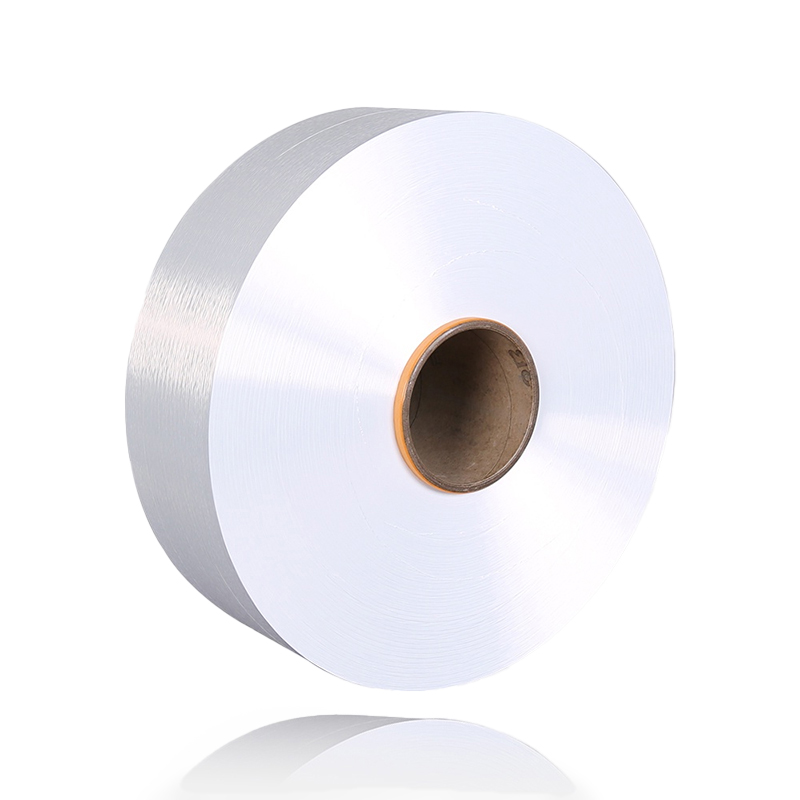
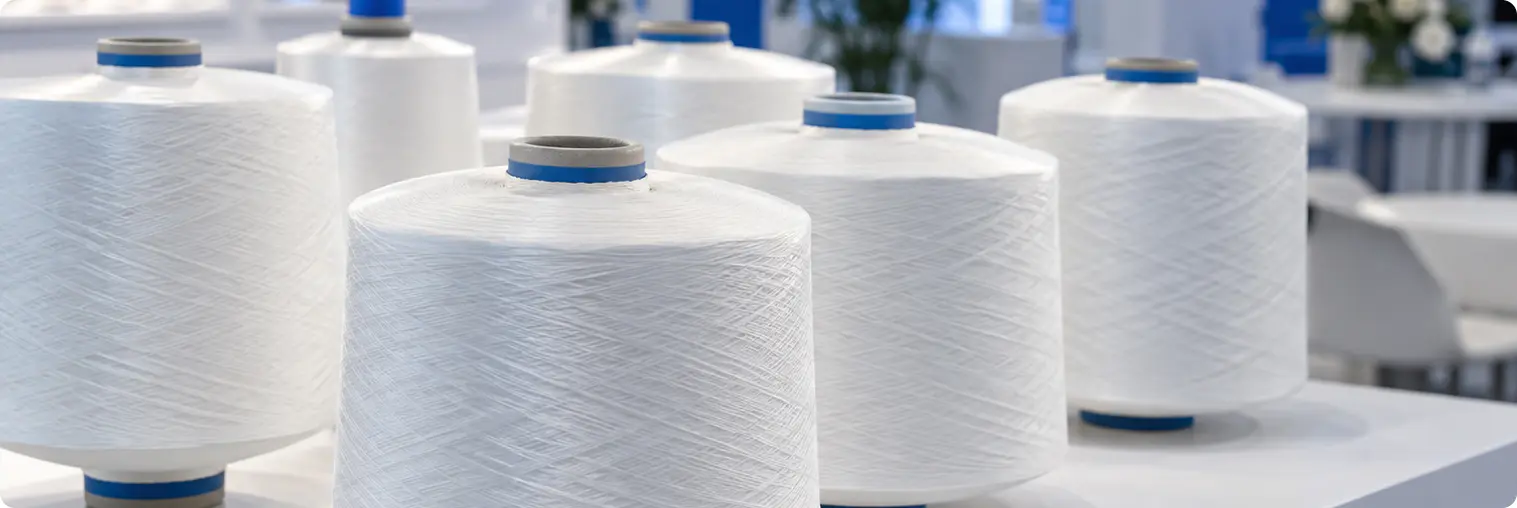
    Polyester POY stands for partially oriented yarn: PET filament that has been melt-spun at high speed but not yet fully drawn. Its molecular orientation is only partial, so it shows very high elongation compared with a finished yarn and is generally not meant to be woven or knitted directly. Think of POY as an intermediate stage, stable enough to be wound, packaged and shipped, but designed to be drawn or draw-textured before it becomes a usable fabric yarn.

  • POY as DTY Feedstock: What Draw-Texturing Mills Should Check

    Draw-texturing machines convert POY into DTY by drawing and false-twisting it in one pass, so the quality of the feedstock carries straight into the textured yarn. Mills therefore look at denier and filament count uniformity, oil pickup, package formation and how consistent the orientation is from bobbin to bobbin. Uneven POY tends to show up later as dye streaks or broken filaments on the texturing machine. Buyers sourcing POY Polyester Yarn for this route should ask which draw ratio range the yarn was designed for.

  • Why POY Has a Shelf Life: Storage and Aging Considerations

    Partially oriented filament keeps changing slowly after it is spun, because its structure has not been locked in by full drawing. Temperature swings, humidity and long storage can shift shrinkage and dye behavior, which is why POY is best processed within a limited time after production and kept in a stable, cool, dry area. If you plan to build stock, ask how long the producer recommends holding Polyester Partially Oriented Yarn before draw-texturing, and follow that window rather than treating it like a finished yarn.

  • Specifying POY: Denier, Filament Count, Luster and Intended Draw

    A useful POY request names the finished DTY it is meant to become, not only the POY denier. Because drawing reduces denier in proportion to the draw ratio, a target of 150D/48F DTY needs a noticeably heavier POY at the start. Include the luster grade, with semi-dull the common default and bright or full-dull chosen for a specific look, and the package size your machines take. Giving Zhenyi Chemical Fiber this end-to-end picture avoids ordering the right yarn at the wrong intermediate denier.