
{config.cms_name} Home / Polyester Yarn Products / Polyester DTY
ZHENYI CHEMICAL FIBER
Polyester DTY

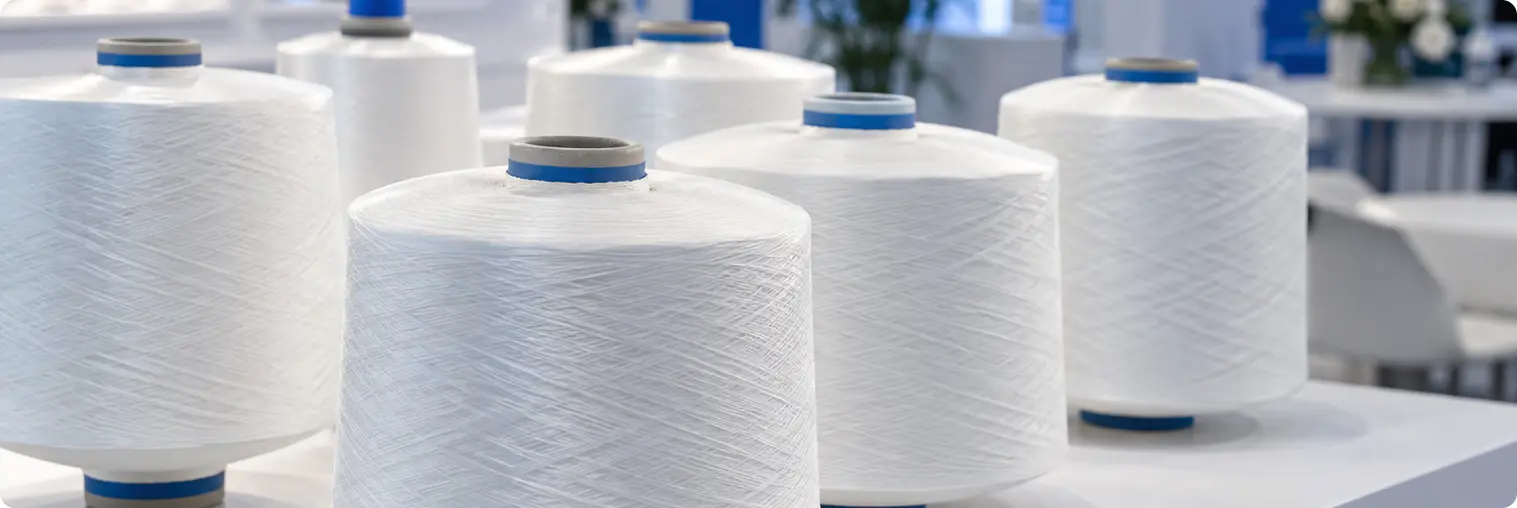
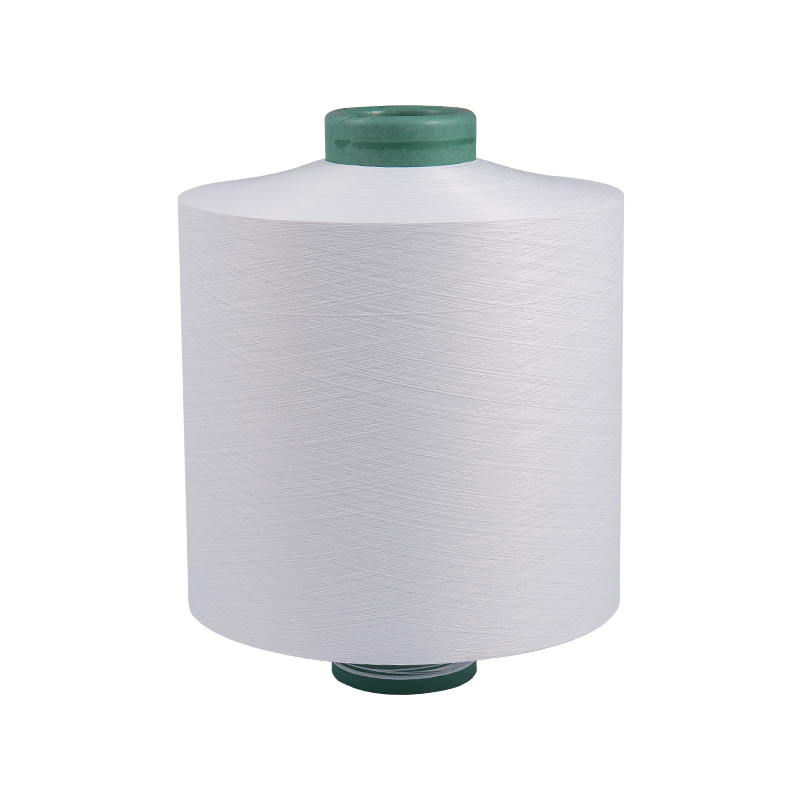
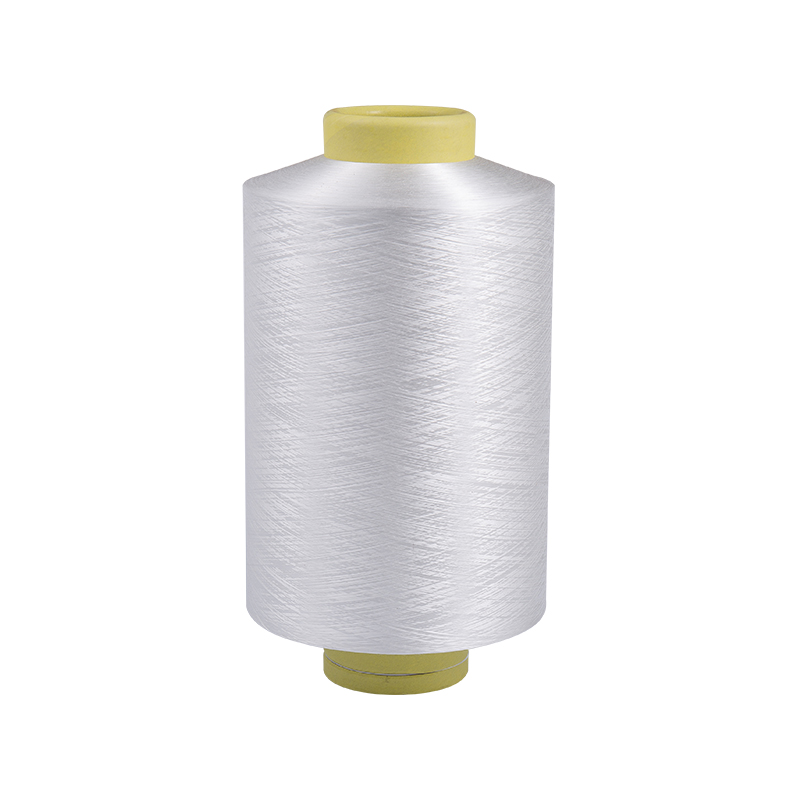
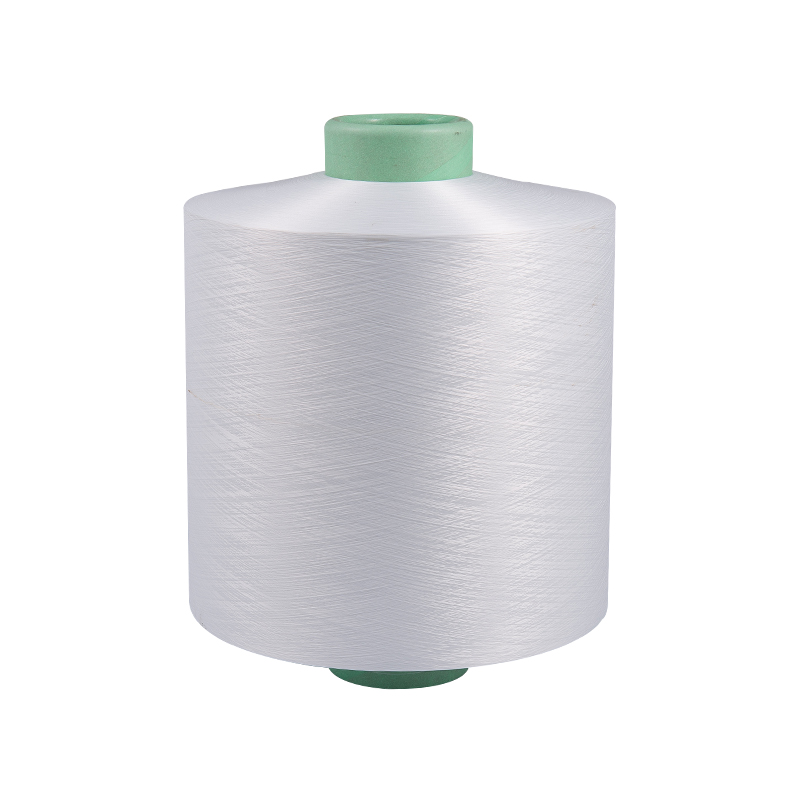
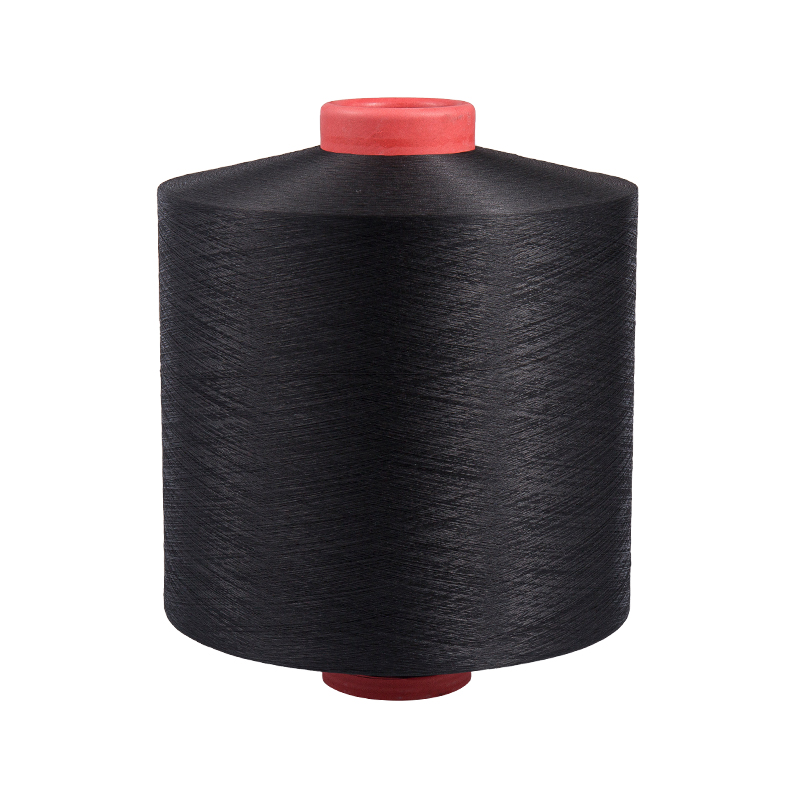
Polyester DTY is textured filament yarn available in semi-dull, bright, full-dull, cationic and dope-dyed versions.  Zhenyi Chemical Fiber supplies raw-white and colored specifications for weaving, circular knitting, chenille production, overlocking and home-textile applications, with NIM, SIM, HIM or micro-intermingled construction only where confirmed.

ABOUT ZHENYI CHEMICAL FIBER

Built on manufacturing experience dating back to 2007, Zhenyi Chemical Fiber brings together the Weien and Baoyi production bases under an integrated business system. We specialize in the production and sales of polyester DTY, while international trade and customer support are provided by Shoyee International Trading Co., Ltd.

Weien Intelligent Manufacturing (Jiaxing) Co., Ltd. operates the Weien production facility, with a site area of approximately 13,300 m² (20 mu). Tongxiang Baoyi Textile Co., Ltd. operates the Baoyi production facility, with a site area of approximately 10,000 m² (15 mu).

Together, the two facilities have a total production workshop floor area of approximately 100,000 m² and are equipped with 100 draw-texturing machines, providing a combined polyester DTY production capacity of up to 400 metric tons per day. They manufacture DTY in a range of deniers, filament counts, luster types and intermingling levels for customers in China and overseas.

2007

MANUFACTURING SINCE

INDUSTRY KNOWLEDGE
  • Why "NIM, SIM, HIM" Matters More Than Denier Alone
  • DTY Yarn vs FDY and POY: A Quick Distinction
  • Reading a Polyester Draw Textured Yarn Test Report
  • Choosing Between the Five DTY Finishes on Offer
  • Why "NIM, SIM, HIM" Matters More Than Denier Alone

    Zhenyi Chemical Fiber's Polyester DTY range is built around three intermingling levels — NIM, SIM and HIM — and buyers who skip this detail often receive yarn that behaves unexpectedly in downstream processing. NIM (non-intermingled or lightly intermingled) suits applications needing maximum filament spread and softness; SIM gives moderate cohesion for general knitting and weaving; HIM locks filaments more tightly, reducing filament separation on high-speed circular knitting machines and during warping. The same denier and filament count can perform very differently across these three constructions.

  • DTY Yarn vs FDY and POY: A Quick Distinction

    Buyers new to polyester filament sourcing sometimes use "DTY Yarn" and "POY" interchangeably, but they are different intermediate stages. POY (partially oriented yarn) is a low-crystallinity precursor typically used for further draw-texturing or as a false-twist feedstock; DTY is the drawn and texturized product with built-in bulk and stretch, ready for knitting or weaving. If your fabric needs stretch recovery and bulk straight off the cone, DTY Polyester Yarn is the correct request — POY on its own will not perform the same way on a knitting machine.

  • Reading a Polyester Draw Textured Yarn Test Report

    A proper Polyester Draw Textured Yarn test report covers breaking strength, elongation at break, boiling water shrinkage and intermingle points per meter — not just denier and filament count. Elongation and shrinkage figures tell you how the yarn will behave during dyeing and heat-setting, which matters more for finished-fabric consistency than the nominal denier printed on the cone label. When comparing quotes from different mills, ask for these four figures alongside the price; a lower price attached to a wider elongation tolerance is not necessarily the better deal. Zhenyi Chemical Fiber retains batch samples specifically so these figures can be traced back to a production lot if a dispute arises later.

  • Choosing Between the Five DTY Finishes on Offer

    Semi-dull, bright, full-dull, cationic and dope-dyed each solve a different visual or functional problem rather than being purely cosmetic choices. Semi-dull is the general-purpose default for apparel and home textiles; bright suits decorative weaving where surface sheen is wanted; full-dull removes shine for a flatter, more natural-fiber-like hand; cationic enables deep, colorfast shades on cationic dye systems; and dope-dyed skips the dyeing stage entirely for colors confirmed at melt-spinning stage. Matching the finish to the dyeing route planned downstream, before ordering, avoids reprocessing later.