


 English
 中文简体
中文简体 Español
 عربى
عربى Home / News / Industry News / Common DTY Defects: Oil Stains, Fuzz, Color Variation and How to Spot Them
Industry News
Common DTY Defects: Oil Stains, Fuzz, Color Variation and How to Spot Them
2026-09-17
In our years of producing and supplying polyester draw textured yarn (DTY) to textile mills around the world, we have learned that the difference between a good fabric and a great fabric often comes down to the quality of the base yarn. Even after confirming that a DTY spool meets the required denier, filament count, and tenacity specs, you may still encounter issues during subsequent weaving, knitting, or dyeing processes. Three of the most common and frustrating problems we see in the industry are oil stains, fuzz, and color variation. Understanding exactly what causes these issues and knowing how to spot them early can save you from costly production delays and fabric waste. Let us share some practical insight from the factory floor.
Content
Oil Stains on DTY
Oil stains are one of the most visible and irritating defects in DTY. They appear as dark, greasy spots or streaks along the yarn surface and can seriously compromise the appearance and dyeability of the final fabric. These stains are typically introduced during the draw-texturing process, where the yarn passes through high-speed rolls and lubrication points. A common culprit is improper application of spin finish or coning oil. If the oil application system is not calibrated correctly—too much oil, or if the oil is unevenly distributed—it can lead to splashing and accumulation on the yarn.
Another source of oil stains is machinery contamination. Over time, oil from bearings, gears, or even airborne lubricants can find its way onto the yarn path. In our own facilities, we pay close attention to the cleanliness of every godet and guide. Even a tiny build-up of oil residue can transfer to the yarn, especially at high production speeds.
How to Spot Oil Stains
The easiest way to spot oil stains is through visual inspection under bright, uniform lighting. Hold the spool on a winding machine and slowly unroll a few meters of yarn. Look for any spots or streaks that appear darker than the surrounding yarn. You can also use a simple "touch test": if the yarn feels greasy or sticky to your fingers, that is a strong indicator. For a more objective check, the "AATCC Test Method 118-2013" for oil repellency can be applied, but in a factory setting, a high-quality handheld ultraviolet (UV) lamp is a practical tool. Many coning oils contain fluorescent tracers; under UV light, oil stains will glow brightly, making them easy to detect.
Fuzz (Fibrillation and Broken Filaments)
Fuzz, also described as hairiness or fibrillation, is the presence of broken or protruding filaments on the surface of the yarn bundle. This defect can cause major problems downstream: it leads to lint build-up on knitting needles and weaving heddles, increases yarn breaks, and creates a rough fabric surface. In severe cases, it results in holes or "cloudy" patches in the final fabric.
Why Does Fuzz Occur?
Fuzz often originates from mechanical abrasion during the texturing process. When the partially oriented yarn (POY) passes through heaters, friction discs, and guides, any misalignment or surface roughness in these components can abrade individual filaments. Another common cause is improper tension settings. If the draw ratio is too high or the overfeed is incorrect, the filaments can experience excessive stress and break, forming fuzz. For example, when texturing heavier denier yarns like 300D or 600D, the tension settings must be carefully adjusted to match the fiber's properties.
How to Spot Fuzz
A simple and reliable method is the "winding test" or "finger test." Take a length of yarn about 50 cm long and hold it taut between your hands. Gently run your thumb and index finger along the yarn from one end to the other. If you feel a fuzzy, rough texture, or if loose filaments cling to your fingers, the yarn is likely affected. A more systematic approach is to use a "fuzz board" or "haze meter." Rewind a small sample of yarn onto a black board, and observe the surface under a magnifying glass. Fuzz will appear as a halo of protruding fibers around the main yarn bundle. We recommend checking samples from every production doff, particularly for yarns used in high-speed knitting or fine-gauge applications where even a small amount of fuzz can cause trouble.
Color Variation (Shade Barring and Dye Uptake Inconsistency)
Color variation, or shade barring, is arguably the most difficult defect to catch early because it often only becomes visible after the fabric has been dyed. It manifests as stripes, bands, or patches of different shades of the same color across a finished fabric. This issue is almost always related to differences in dye uptake between individual yarn packages or even within a single package.
What Causes Dye Uptake Differences?
The dye uptake of DTY is heavily influenced by its morphological structure, particularly the level of crystallinity and orientation achieved during the draw-texturing process. If the heat setting temperature or the drawing tension varies between positions on the same texturing machine, you will end up with yarns that have different dye affinity. For instance, a slight temperature drop in one heater zone can produce yarn with a lower amorphous region, which will dye lighter. This is a known challenge in producing consistent polyester DTY at high volume. Other factors include variations in the denier per filament (DPF) and the evenness of the spin finish.
How to Spot Color Variation Before Dyeing
The only truly reliable method for detecting dye variation is a laboratory dye test. A small sample from each production lot is knitted into a small fabric sleeve (a "knitted sock") and dyed under controlled conditions. The dyed sleeve is then compared against a master standard using a spectrophotometer or under standard daylight (D65). The color difference is measured using the CIELAB (ΔE) system. A delta E value below 0.6 is generally considered acceptable in most textile applications. In our experience, it is also essential to test samples from the beginning, middle, and end of each package. A sudden change in dye uptake within a single cone suggests a process instability that needs immediate attention.
For a quick preliminary check, you can hold the yarn packages under an incandescent lamp at an angle. Sometimes, differences in the yarn's luster or "white point" can be visible, especially between production lots. However, we caution against relying on this method alone, as it is not very sensitive. The table below summarizes the key inspection methods.
| Defect | Quick Detection Method | Key Observation | Recommended Action |
|---|---|---|---|
| Oil Stains | UV light inspection | Bright spots/streaks | Check oil application system |
| Fuzz | Finger test / Fuzz board | Rough texture, protruding fibers | Inspect godets & guides |
| Color Variation | Lab dye test (Knitted sleeve) | Delta E > 0.6 | Check heater temp & tension |
Unifying Your Quality Control Strategy
Managing these three common defects requires a holistic approach to quality control. It is not enough to just inspect the final yarn; you must understand the process parameters that cause each problem. Structured preventative maintenance on texturing machines, including regular cleaning of heater plates and replacement of worn friction discs, is the first line of defense. Calibrating oil application rollers and ensuring consistent tension across all spindles will help minimize fuzz and oil stains.
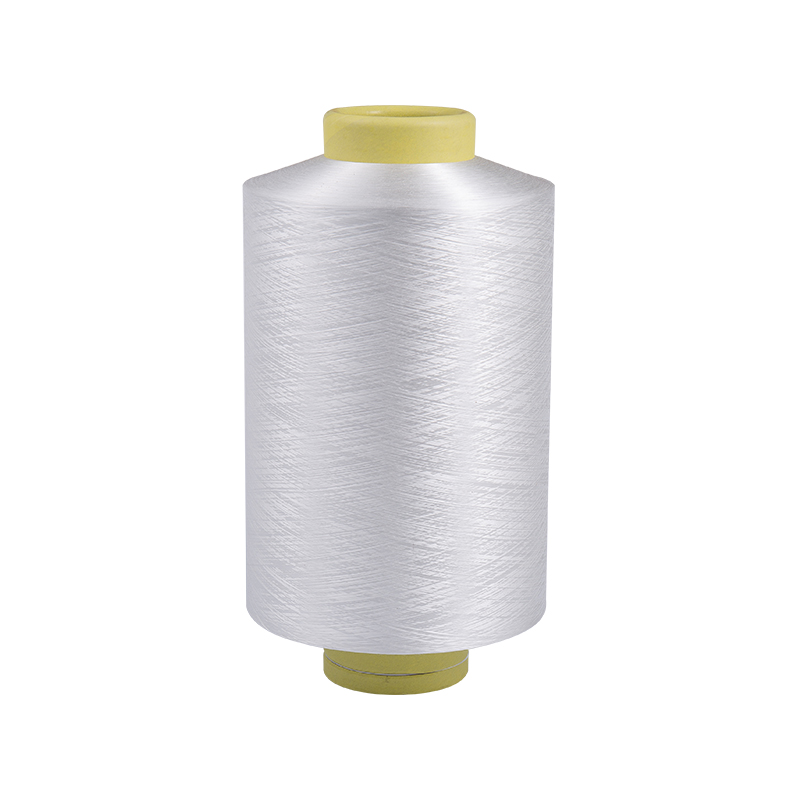
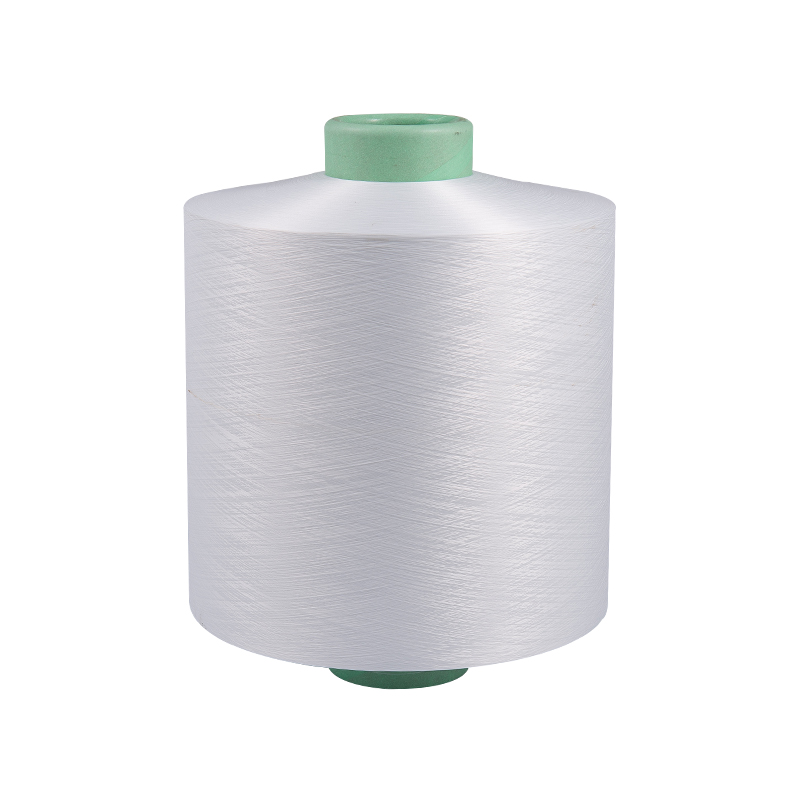
For color consistency, maintaining a stable thermal profile in the texturing machines is critical. We operate 100 draw-texturing machines in our facilities, and we have found that a rigid protocol of daily temperature logging and weekly sample dye tests is essential for producing reliable light mesh glossy DTY and light mesh semigloss DTY with consistent dyeing behavior.
A Practical Checklist for Incoming Yarn Inspection
- Visual Check: Open the package and rewind about 2 meters. Look for oil stains or physical damage under a bright lamp.
- Touch Check: Run the yarn through your fingers. Feel for roughness or stickiness that indicates fuzz or uneven oil.
- Denier Check: Use a wrap reel to measure the denier. Large variations from the target can indicate process issues.
- Luster Check: Hold the cone under angled light for a quick visual comparison with a master standard.
- Shade Test: If you have the capability, run a small lab dye test on a representative sample from each lot.
Why Choose a Partner with Process Control Experience?
In the end, the quality of your DTY is only as good as the process control behind it. A supplier with deep manufacturing experience understands exactly how each variable—from polymer quality to machine speed to texturing temperature—affects the final yarn. When you source from a manufacturer that operates a substantial production base with standardized equipment and quality management routines, you are investing in predictability and reliability.
We are proud to say that our manufacturing team has been refining these processes since 2007. Our two facilities, Weien and Baoyi, cover a combined workshop area of 100,000 square meters. This scale allows us to maintain strict control over production parameters and to implement the kind of rigorous inspection protocols necessary to minimize defects. For more on the importance of process consistency, you can read our article on factors that determine polyester monofilament quality. We believe that sharing this knowledge helps the entire textile supply chain run more smoothly.
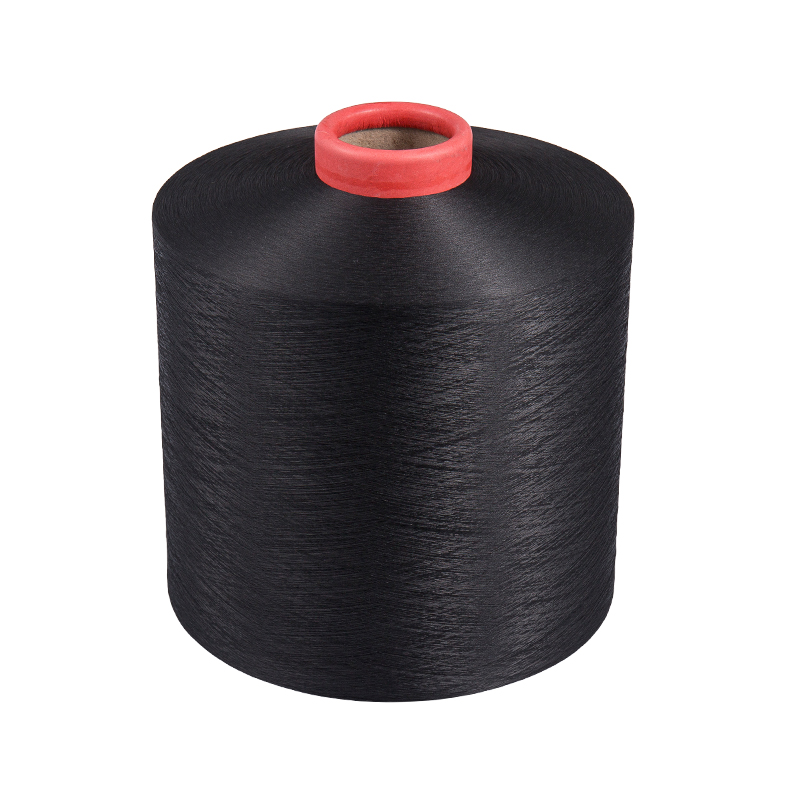 Dope-Dyed Black SIM and HIM Polyester DTYThis black dope-dyed intermingled DTY benefits from Zhenyi's long-established process control, ensuring color consistency. Available in multiple deniers and intermingling levels, it suits woven or knitted fabrics needing deep black with good fastness.View Product →
 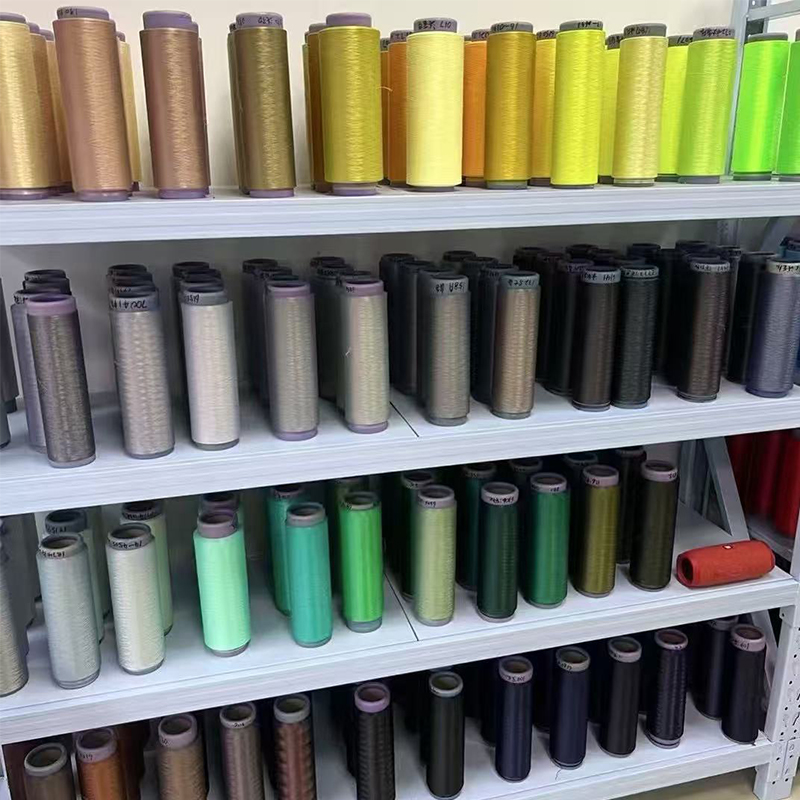 Dope-Dyed Colored HIM Polyester DTY for Custom ShadesProduced with sample-matching service, this high-intermingled DTY comes in shades like red, yellow, and blue. Backed by large-scale manufacturing, it offers consistent color and reliable supply for specialty fabric applications.View Product →


CONTACT US
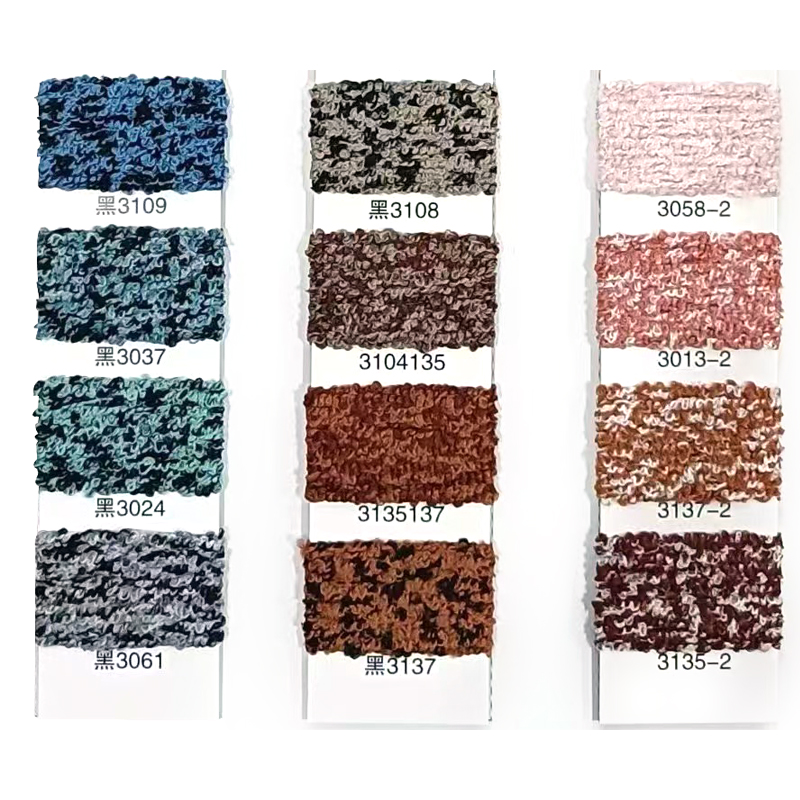
If you need to view BAOYI color chart, get a quote, or have questions, we invite you to contact us by filling out the form below.
ABOUT
PRODUCT
CONTACT US
-
 No. 318 Huiye Road, Fengming Subdistrict, Tongxiang, Jiaxing, Zhejiang, China.
-
 +86-18258373586
-
 +86-18258373586
-
 [email protected]
Copyright © ZHENYI CHEMICAL FIBER CO., LTD. All Rights Reserved.
 Polyester Yarn Manufacturers Customized Spinning Yarn Factory