

 English
 中文简体
中文简体 Español
 عربى
عربى
 Home / News / Industry News / Top Uses of Polyester Monofilament Yarn in Fishing, Filtration, and Fabrics
Industry News
Top Uses of Polyester Monofilament Yarn in Fishing, Filtration, and Fabrics
2026-01-04
Content
Introduction to Polyester Monofilament Yarn
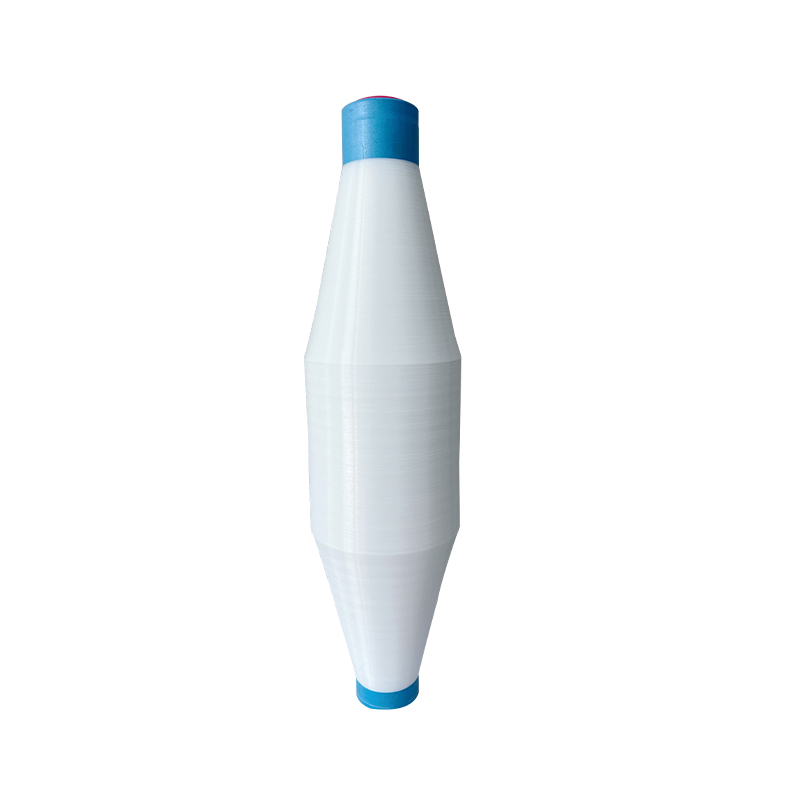
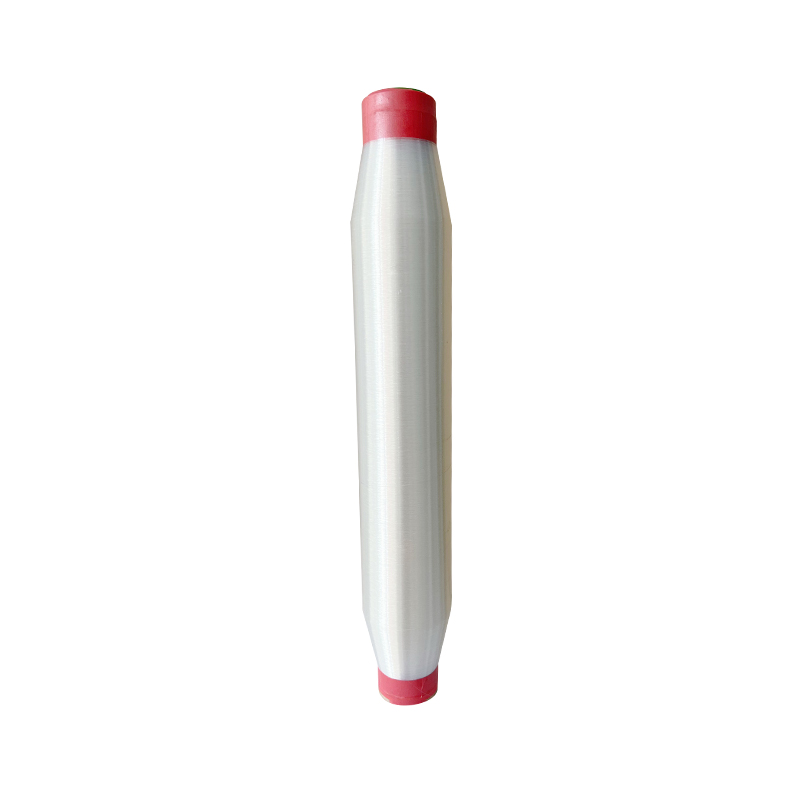
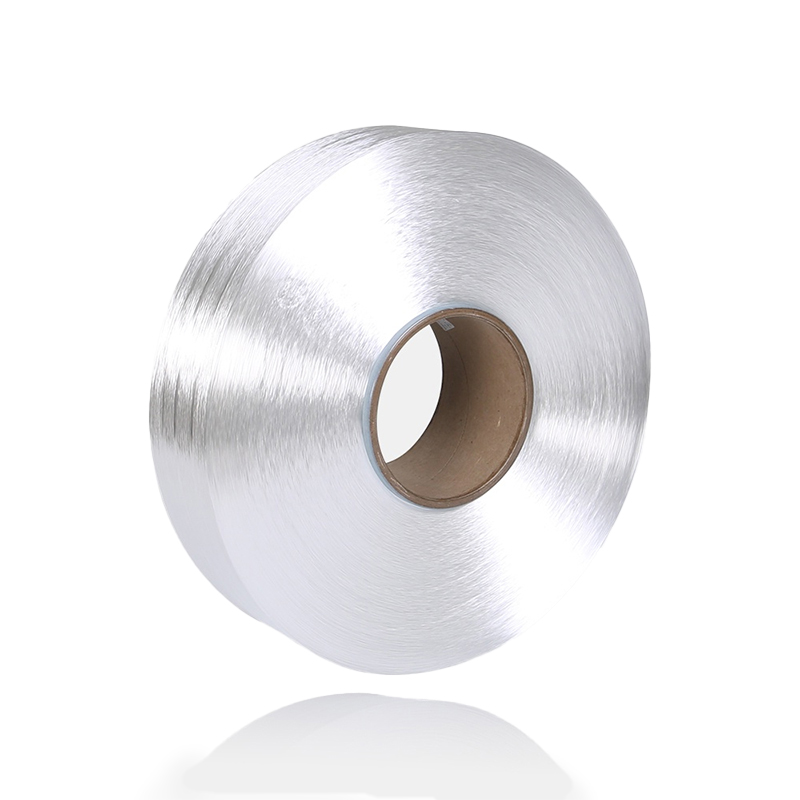
Polyester monofilament yarn is a single continuous filament made from polyester, known for its high strength, durability, and chemical resistance. Unlike multifilament yarns, monofilament yarn offers exceptional uniformity and stability, making it ideal for specialized applications. Industries such as fishing, filtration, and textile manufacturing rely heavily on polyester monofilament yarn due to its versatility and performance characteristics.
Uses in the Fishing Industry
Polyester monofilament yarn is widely used in fishing equipment because of its strength, abrasion resistance, and ability to withstand harsh marine environments. Its smooth surface reduces water resistance, enhancing casting performance and durability.
- Fishing Lines: High tensile strength allows for handling large fish without breaking.
- Nets: Resistant to UV light and saltwater, ensuring long service life for trawls, gillnets, and seine nets.
- Traps and Ropes: Maintains shape and strength under continuous exposure to water and mechanical stress.
Uses in Filtration Applications
Filtration industries utilize polyester monofilament yarn due to its chemical resistance, dimensional stability, and ability to maintain consistent pore structures. It is suitable for both liquid and air filtration systems.
- Filter Cloths: Provides precise filtration with uniform pore size for water treatment, chemical processing, and food industry applications.
- Screening Meshes: Durable and resistant to chemical degradation in industrial and laboratory sieves.
- Protective Covers: Maintains structural integrity in high-temperature or corrosive environments.
Uses in Textile and Fabric Manufacturing
In textiles, polyester monofilament yarn is valued for its smoothness, transparency, and ability to produce fine fabrics with high dimensional stability. It is frequently used in technical textiles, decorative fabrics, and industrial fabrics.
- Industrial Fabrics: Reinforcement materials in composites, conveyor belts, and tarpaulins due to high tensile strength.
- Decorative Fabrics: Transparent or semi-transparent applications for curtains, netting, and embroidery backing.
- Technical Textiles: Materials requiring consistent thickness and resistance to abrasion, chemicals, or UV exposure.
Comparative Performance in Different Applications
Polyester monofilament yarn performs differently depending on the application environment. Understanding these performance aspects helps manufacturers and users select the right yarn type and diameter for specific needs.
| Application | Key Properties Required | Benefits of Polyester Monofilament Yarn |
| Fishing Lines | High tensile strength, abrasion resistance, UV resistance | Long-lasting lines, capable of handling heavy fish, smooth casting |
| Filtration Mesh | Dimensional stability, chemical resistance, uniform pore size | Precise filtration, durable meshes, resistant to industrial chemicals |
| Industrial and Decorative Fabrics | Smooth surface, tensile strength, resistance to wear and UV | Strong reinforcements, fine decorative effects, long-lasting fabrics |
Conclusion
Polyester monofilament yarn is a highly versatile material suitable for fishing, filtration, and fabric manufacturing. Its combination of strength, durability, chemical resistance, and dimensional stability makes it an essential choice for demanding applications. Selecting the appropriate diameter, strength, and finish of the yarn ensures optimal performance across all industries, from industrial use to high-quality textile production.

GLOBAL BUSINESS
Backed by stable production capacity and integrated manufacturing and trading capabilities, Zhenyi Chemical Fiber is committed to serving customers in international markets. Our team provides responsive support throughout product selection, order coordination, export documentation and shipment arrangements. We aim to build long-term partnerships through consistent product quality, clear communication and dependable service.
Ready to Begin?
Categories
Contact Information

 +86-18258373586
 No. 318 Huiye Road, Fengming Subdistrict, Tongxiang, Jiaxing, Zhejiang, China.
Copyright © ZHENYI CHEMICAL FIBER All rights reserved.
