

 English
 中文简体
中文简体 Español
 عربى
عربى
 Home / News / Industry News / Denier, Filament Count, and Twist Considerations in Polyester Draw Textured Yarn
Industry News
Denier, Filament Count, and Twist Considerations in Polyester Draw Textured Yarn
2025-12-11
Content
- 1 Understanding Denier, Filament Count, and Twist in Polyester Draw Textured Yarn
- 2 Denier: Yarn Thickness and Its Impact
- 3 Filament Count: Structure and Fabric Performance
- 4 Twist: Influence on Strength and Elasticity
- 5 Interrelationship of Denier, Filament Count, and Twist
- 6 Parameter Comparison and Fabric Implications
- 7 Practical Considerations for Yarn Selection
Understanding Denier, Filament Count, and Twist in Polyester Draw Textured Yarn
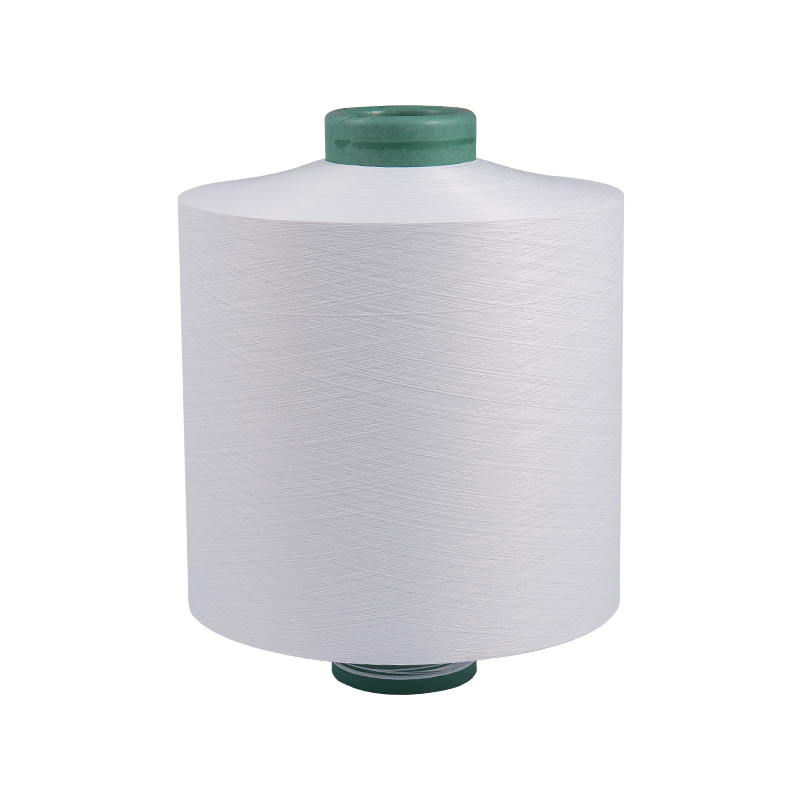
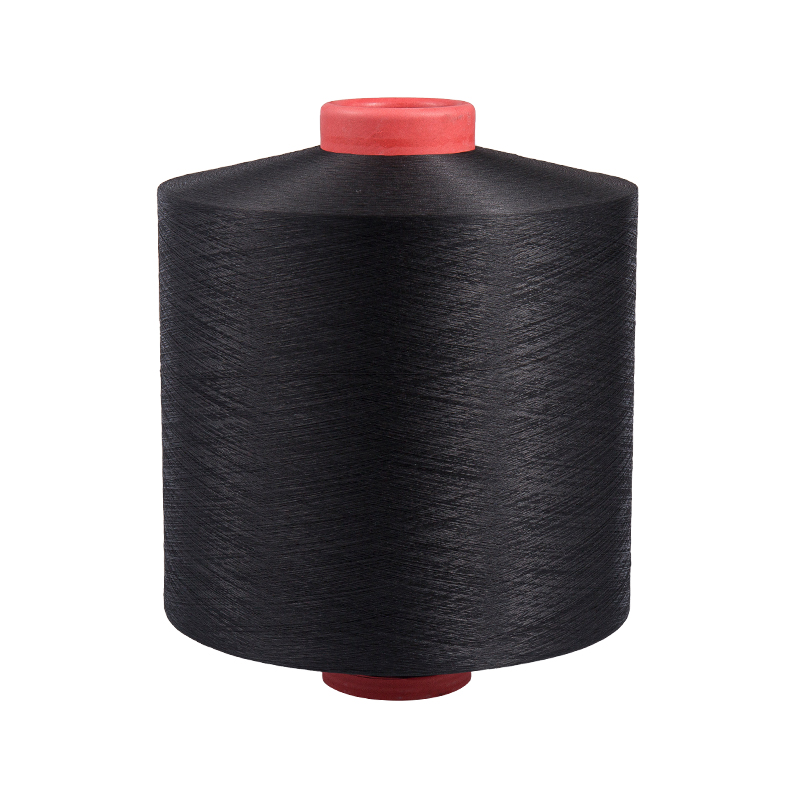
Polyester draw textured yarn (DTY) is a versatile textile material, and its performance is heavily influenced by three key parameters: denier, filament count, and twist. These factors determine the yarn's strength, elasticity, bulk, and suitability for different fabric applications. A precise understanding of these parameters allows textile manufacturers to tailor DTY for specific functional and aesthetic requirements.
Denier: Yarn Thickness and Its Impact
Denier is a measure of the yarn's linear density, expressed as the weight in grams per 9,000 meters of yarn. In DTY, denier directly affects the fabric’s hand feel, weight, and appearance. Finer deniers produce softer, lightweight fabrics suitable for apparel, while higher deniers yield stronger, more durable yarn for technical textiles or upholstery.
Denier also influences stretch and drape. Lower-denier yarns have higher flexibility and better conformability in stretch fabrics, whereas higher-denier yarns contribute to bulk and structural integrity in thicker textiles.
Filament Count: Structure and Fabric Performance
Filament count refers to the number of individual filaments bundled together to form the yarn. Polyester DTY can be produced with a wide range of filament counts, from tens to hundreds, depending on the desired fabric properties. Higher filament counts generally result in smoother surfaces, improved hand feel, and increased fabric uniformity.
Lower filament counts can enhance bulkiness and elasticity, making the yarn suitable for textured fabrics or stretch garments. The choice of filament count must be balanced with denier to achieve the desired combination of strength, flexibility, and appearance.
Twist: Influence on Strength and Elasticity
Twist refers to the number of turns per unit length of yarn and is a critical factor in determining DTY performance. Proper twisting enhances tensile strength, reduces pilling, and stabilizes filament alignment, while excessive twist may reduce bulk and elasticity. In stretch fabrics, moderate twist levels support shape recovery without compromising flexibility.
Twist also affects the visual texture of the fabric. Yarns with low or no twist maintain soft, voluminous properties ideal for bulky fabrics, while higher twist creates firmer, more defined textures suitable for structured textiles.
Interrelationship of Denier, Filament Count, and Twist
Denier, filament count, and twist interact to define the overall behavior of polyester DTY in fabrics. Adjusting one parameter often requires recalibration of the others to maintain balance between stretch, bulk, and durability. For example, increasing denier for a heavier yarn may require a lower filament count or reduced twist to preserve elasticity and hand feel.
Understanding these interactions is essential for producing yarns that meet precise functional and aesthetic criteria across apparel, home textiles, and technical fabric applications.
Parameter Comparison and Fabric Implications
| Parameter | Impact on Stretch | Impact on Bulk | Impact on Strength |
| Denier | Lower denier improves flexibility | Higher denier increases bulk | Higher denier increases tensile strength |
| Filament Count | Lower count enhances stretch | Lower count increases visual loft | Higher count improves uniformity and smoothness |
| Twist | Moderate twist supports recovery | Higher twist reduces bulk | Proper twist increases yarn strength |
Practical Considerations for Yarn Selection
Textile manufacturers must consider denier, filament count, and twist collectively when selecting DTY for specific fabric applications. For stretch garments, lower denier and filament count with moderate twist are preferred to optimize flexibility and shape recovery. For bulk fabrics, higher denier and controlled filament count with minimal twist create loft and volume while maintaining durability.
Accurate specification and process control ensure consistent fabric quality and performance, enabling designers and manufacturers to produce textiles that meet both functional and aesthetic requirements.


GLOBAL BUSINESS
Backed by stable production capacity and integrated manufacturing and trading capabilities, Zhenyi Chemical Fiber is committed to serving customers in international markets. Our team provides responsive support throughout product selection, order coordination, export documentation and shipment arrangements. We aim to build long-term partnerships through consistent product quality, clear communication and dependable service.
Ready to Begin?
Categories
Contact Information

 +86-18258373586
 No. 318 Huiye Road, Fengming Subdistrict, Tongxiang, Jiaxing, Zhejiang, China.
Copyright © ZHENYI CHEMICAL FIBER All rights reserved.
