

 English
 中文简体
中文简体 Español
 عربى
عربى


Industry News
Polyester Draw Textured Yarn for Stretch and Bulk Fabric Requirements
2025-12-26
Content
Understanding Polyester Draw Textured Yarn for Stretch and Bulk Fabrics
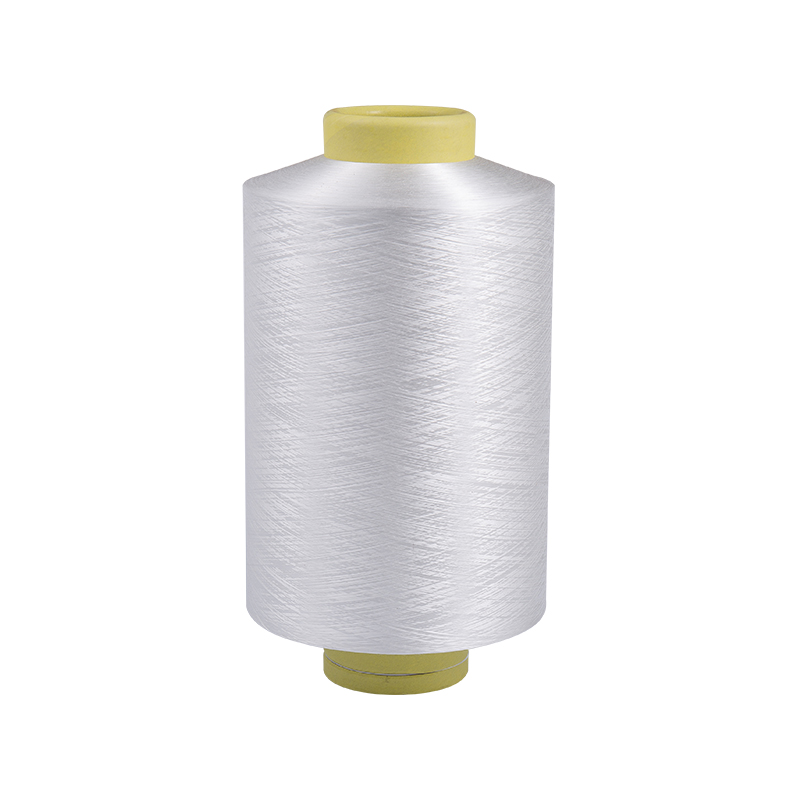
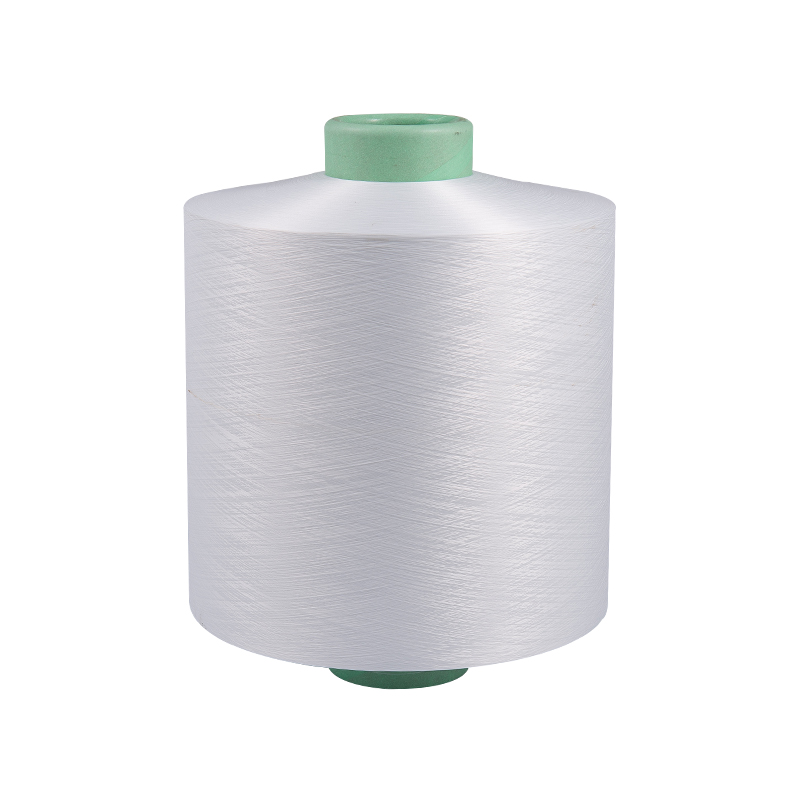
Polyester draw textured yarn (DTY) is widely used in the textile industry to produce fabrics with enhanced stretch, bulk, and aesthetic properties. This type of yarn undergoes a drawing and texturing process that imparts elasticity, volume, and resilience, making it ideal for fabrics that require both comfort and structural fullness. DTY allows manufacturers to create textiles that combine mechanical performance with visual appeal.
Its unique structure also supports better garment fit and durability, which is critical in applications ranging from sportswear to fashion apparel and home textiles.
The Draw Texturing Process and Yarn Characteristics
The draw texturing process involves simultaneously drawing the polyester filaments to orient the molecular chains and texturing them to introduce loops or crimps. This creates bulk and elasticity without compromising tensile strength. The resulting yarn demonstrates uniform crimp, controlled elongation, and enhanced resilience.
Key parameters such as draw ratio, heat-setting temperature, and filament denier determine the final yarn properties. Adjusting these factors allows manufacturers to produce DTY suitable for lightweight stretch fabrics or heavier bulkier textiles.
Applications in Stretch Fabrics
Polyester DTY is particularly valued in stretch fabrics where controlled elasticity is essential. The yarn’s inherent stretch supports garments that conform to body movements while maintaining shape recovery. It is used extensively in activewear, leggings, performance sportswear, and fitted fashion apparel.
The yarn’s combination of stretch and strength ensures that fabrics remain durable under repeated wear and washing, while providing comfort and flexibility to the wearer.
Benefits in Stretch Fabrics
- Improved elasticity for better fit and movement
- Shape retention after repeated stretching
- Enhanced durability in high-performance garments
Applications in Bulk and Textured Fabrics
Polyester DTY also adds volume and fullness to fabrics without increasing weight significantly. The textured loops and crimps create an airy structure, contributing to a soft hand feel, warmth, and visual texture. This makes it suitable for knitwear, outerwear, and upholstery fabrics where bulkiness enhances comfort and appearance.
Fabric designers can manipulate yarn crimp and bulk to achieve different aesthetic effects, from subtle texture in lightweight garments to pronounced loft in thick textiles.
Advantages in Bulk Fabrics
- Increased fabric thickness without adding weight
- Enhanced thermal insulation and comfort
- Visually appealing texture and drape
Technical Parameters and Selection Criteria
When selecting polyester DTY for specific fabric requirements, several technical parameters must be considered. These include filament denier, crimp density, elongation percentage, and yarn twist. Each parameter affects the balance between stretch, bulk, and strength, allowing precise control over final fabric performance.
Below is a comparison of key parameters and their impact on fabric properties:
| Parameter | Effect on Stretch | Effect on Bulk |
| Filament Denier | Finer filaments increase flexibility | Lower denier reduces volume |
| Crimp Density | Higher crimp allows greater elongation | Higher crimp increases loft and thickness |
| Twist | Moderate twist supports stretch recovery | Minimal effect on bulk |
Applications Across Textile Sectors
Polyester draw textured yarn is highly versatile and supports a wide range of textile applications. In activewear, it provides flexibility and strength. In fashion garments, it adds drape and softness. In home textiles and upholstery, it delivers volume, thermal comfort, and aesthetic appeal.
By adjusting processing and selection parameters, manufacturers can produce yarns tailored for either high-stretch, lightweight fabrics or thick, voluminous textiles that require bulk without excessive weight.
Conclusion
Polyester draw textured yarn offers a unique combination of stretch, bulk, and durability, making it a preferred choice for both functional and decorative fabrics. Its versatility in technical parameters and processing allows manufacturers to meet specific design, performance, and comfort requirements across a wide range of textile products.


GLOBAL BUSINESS
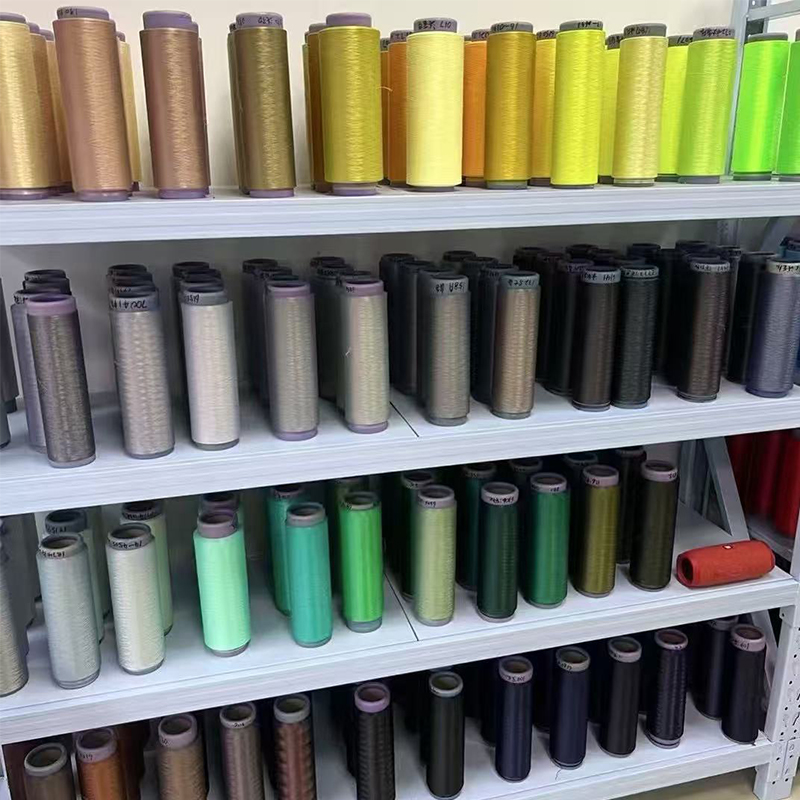
Backed by stable production capacity and integrated manufacturing and trading capabilities, Zhenyi Chemical Fiber is committed to serving customers in international markets. Our team provides responsive support throughout product selection, order coordination, export documentation and shipment arrangements. We aim to build long-term partnerships through consistent product quality, clear communication and dependable service.
Ready to Begin?
Categories
Contact Information

 +86-18258373586
 No. 318 Huiye Road, Fengming Subdistrict, Tongxiang, Jiaxing, Zhejiang, China.
Copyright © ZHENYI CHEMICAL FIBER All rights reserved.
