

 English
 中文简体
中文简体 Español
 عربى
عربى
 Home / News / Industry News / Polyester Monofilament for Precision Weaving and Knitting Applications
Industry News
Polyester Monofilament for Precision Weaving and Knitting Applications
2025-12-18
Content
- 1 Understanding Polyester Monofilament in Precision Textile Production
- 2 Key Material Characteristics for Weaving and Knitting
- 3 Advantages in Precision Weaving Applications
- 4 Performance Benefits in Knitting Applications
- 5 Common Precision Textile Applications
- 6 Processing Considerations for Optimal Results
- 7 Conclusion
Understanding Polyester Monofilament in Precision Textile Production
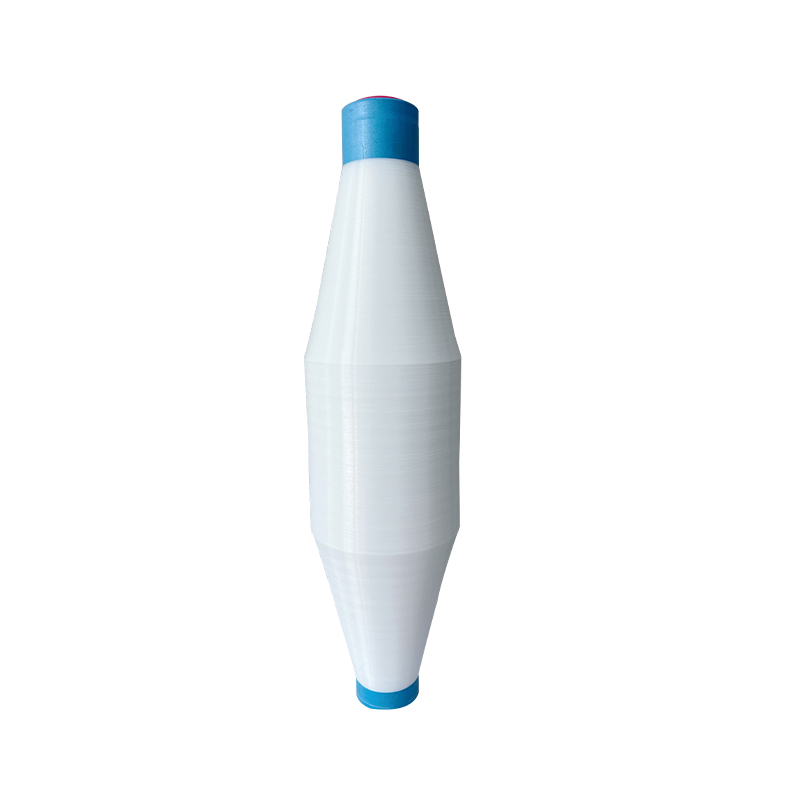
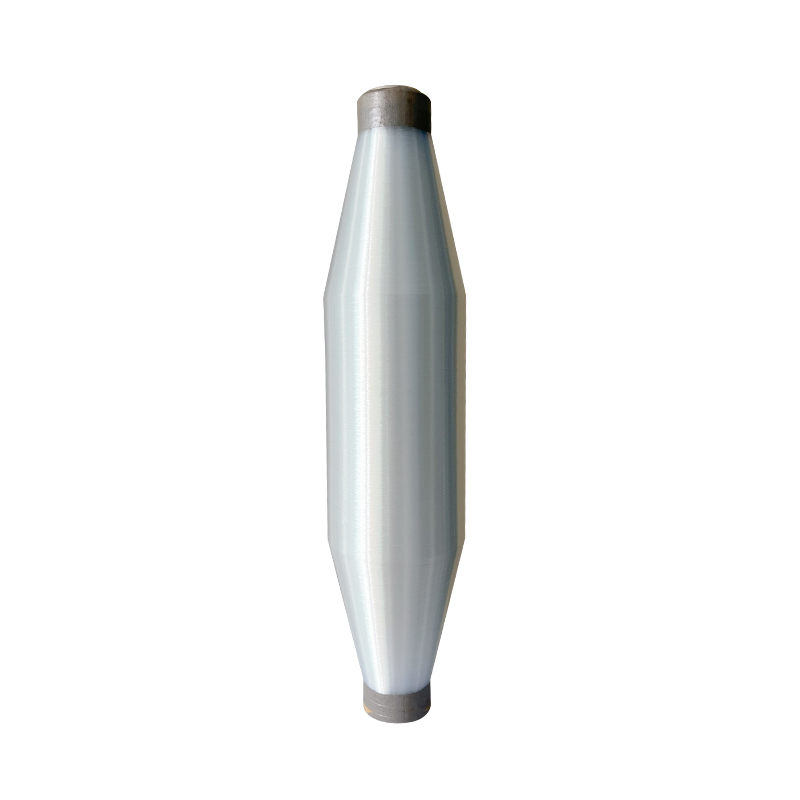
Polyester monofilament is a single, continuous synthetic filament widely used in precision weaving and knitting applications. Its uniform diameter, controlled tensile properties, and dimensional stability make it suitable for textile structures that require accuracy, consistency, and long-term performance. In industrial and technical textiles, polyester monofilament supports tight tolerances and repeatable fabric geometry.
Key Material Characteristics for Weaving and Knitting
The performance of polyester monofilament in textile processes is closely related to its physical and mechanical properties. These characteristics influence machine compatibility, fabric structure, and final product behavior.
Diameter Uniformity and Surface Consistency
Consistent filament diameter is critical in precision weaving and knitting. Uniform polyester monofilament reduces tension variation across warp and weft directions, helping maintain stable fabric density and even loop formation. Smooth surface characteristics also reduce friction during high-speed processing.
Tensile Strength and Elastic Recovery
Polyester monofilament provides reliable tensile strength with controlled elongation. This balance supports dimensional accuracy during fabric formation while allowing limited flexibility to absorb mechanical stress. Elastic recovery helps fabrics maintain shape after repeated loading or washing cycles.
Thermal and Chemical Stability
In many precision textile applications, fabrics are exposed to heat, moisture, or chemical agents. Polyester monofilament maintains structural stability under elevated temperatures and resists common chemicals, supporting consistent fabric performance during finishing, coating, or cleaning processes.
Advantages in Precision Weaving Applications
In weaving processes, polyester monofilament is often selected for technical fabrics where controlled mesh size, strength, and durability are required. Its predictable behavior simplifies loom setup and reduces production variability.
- Stable warp tension supporting accurate fabric geometry
- Consistent mesh openings for filtration or screening fabrics
- Low moisture absorption helping maintain dimensional stability
- Resistance to abrasion during high-speed loom operation
Performance Benefits in Knitting Applications
Knitting processes require filaments that can form uniform loops without breakage or deformation. Polyester monofilament supports precise loop control, making it suitable for technical knitted structures.
- Consistent loop formation for controlled fabric elasticity
- Good resilience supporting shape retention
- Smooth feeding through needles and guides
- Compatibility with circular and warp knitting machines
Common Precision Textile Applications
Polyester monofilament is widely used in applications where precision fabric structure directly affects functionality. The table below outlines common uses in weaving and knitting.
| Application | Fabric Structure | Key Performance Requirement |
|---|---|---|
| Filtration Fabrics | Woven mesh | Uniform pore size and strength |
| Industrial Conveyor Belts | Woven or knitted | Dimensional stability and wear resistance |
| Protective Mesh | Knitted structure | Elastic recovery and durability |
| Technical Screens | Precision woven | Accurate opening control |
Processing Considerations for Optimal Results
To achieve consistent results with polyester monofilament, processing parameters should be carefully controlled. Machine tension settings, needle selection, and environmental conditions all influence final fabric quality.
- Maintain stable tension to avoid filament deformation
- Use appropriate guides and needles to reduce surface wear
- Control temperature during heat-setting or finishing stages
- Regularly inspect filaments for diameter consistency
Conclusion
Polyester monofilament plays an essential role in precision weaving and knitting applications where accuracy, consistency, and durability are required. Its controlled physical properties support stable processing and reliable fabric performance across a wide range of technical textile uses. By selecting suitable filament specifications and optimizing processing conditions, manufacturers can achieve high-quality, precision-engineered textile products.


GLOBAL BUSINESS
Backed by stable production capacity and integrated manufacturing and trading capabilities, Zhenyi Chemical Fiber is committed to serving customers in international markets. Our team provides responsive support throughout product selection, order coordination, export documentation and shipment arrangements. We aim to build long-term partnerships through consistent product quality, clear communication and dependable service.
Ready to Begin?
Categories
Contact Information

 +86-18258373586
 No. 318 Huiye Road, Fengming Subdistrict, Tongxiang, Jiaxing, Zhejiang, China.
Copyright © ZHENYI CHEMICAL FIBER All rights reserved.
