

 English
 中文简体
中文简体 Español
 عربى
عربى
 Home / News / Industry News / Selecting the Right Polyester Draw Textured Yarn for Garment Production
Industry News
Selecting the Right Polyester Draw Textured Yarn for Garment Production
2026-01-06
Content
Introduction to Polyester Draw Textured Yarn (DTY)
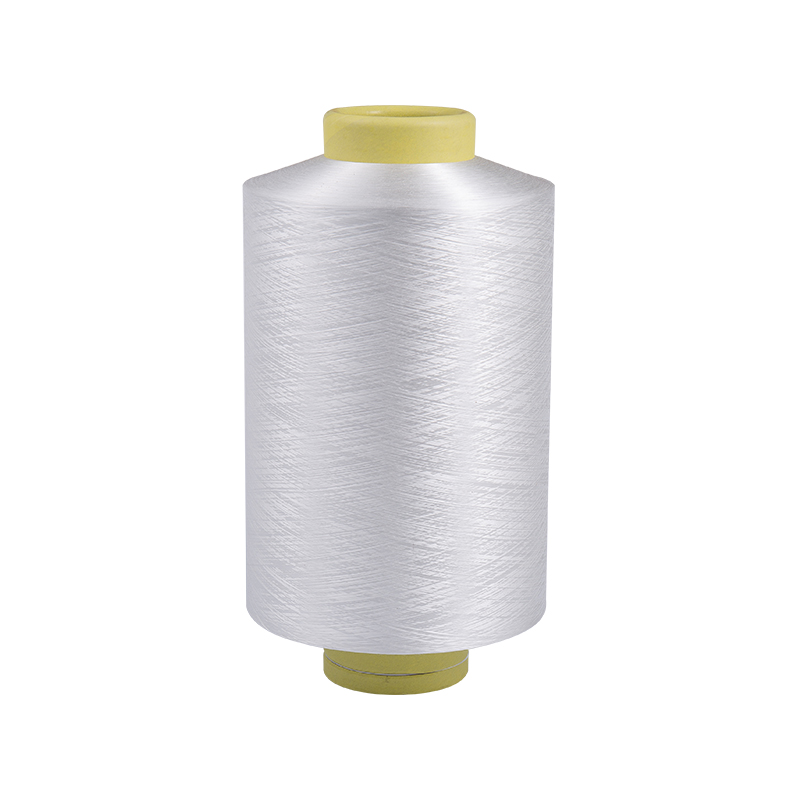
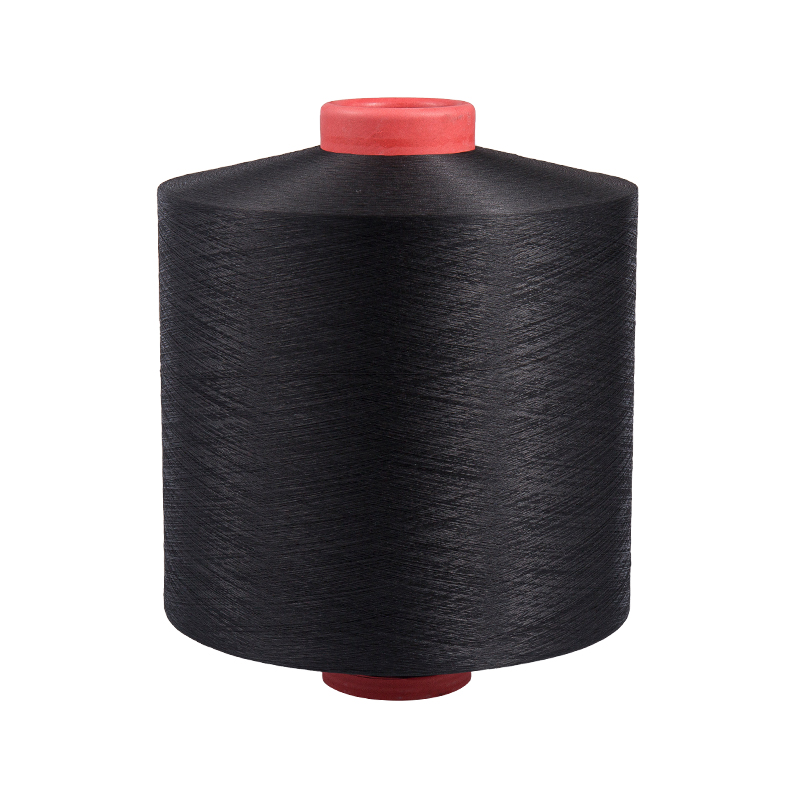
Polyester Draw Textured Yarn (DTY) is a widely used synthetic yarn in the garment and textile industry, prized for its elasticity, softness, and versatility. It is produced by drawing and texturing partially oriented yarn (POY), which improves its tensile strength, elongation, and bulkiness. Selecting the right DTY is essential for achieving the desired performance, appearance, and comfort in the final garment.
Key Characteristics of Polyester DTY
Understanding the properties of polyester DTY helps manufacturers choose the most suitable yarn for specific applications. Several factors, including denier, filament count, texture type, and interlacing, impact fabric performance.
Denier and Filament Count
Denier measures the yarn's thickness, while filament count refers to the number of individual fibers within the yarn. Higher denier provides greater strength and durability, making it ideal for outerwear and heavy-duty fabrics, while lower denier yields softer, lighter garments suitable for lingerie, sportswear, or knitwear.
Texture and Crimp
The texturing process introduces crimp and bulk, enhancing elasticity and hand feel. Different levels of texturing influence fabric stretch, drape, and appearance. Yarn with higher crimp is suitable for stretchable fabrics, while lower crimp yarns provide smoother surfaces for woven or knitted garments.
Interlacing and Twist
DTY yarns may be interlaced to improve handling and reduce snags during weaving or knitting. Twist level also affects tensile strength, elongation, and final fabric texture. Selecting the appropriate interlacing and twist ensures smoother production and consistent garment quality.
Applications of Polyester DTY in Garment Production
Polyester DTY is highly versatile and used across a wide range of garment types, from casual wear to performance fabrics. Its properties make it particularly effective for stretchable, durable, and visually appealing textiles.
Knitwear and Sportswear
DTY yarn is ideal for knitwear due to its elasticity and recovery, providing comfort and maintaining garment shape. It is widely used in sportswear and activewear where stretch, moisture management, and durability are essential.
Woven Fabrics and Outerwear
In woven fabrics, polyester DTY offers bulk and texture that enhance fabric thickness and insulation. It is suitable for jackets, coats, and other garments requiring strength, resilience, and a structured appearance.
Lingerie and Lightweight Garments
Low-denier DTY with fine filaments provides soft, smooth, and lightweight fabrics for lingerie, intimates, and summer apparel. Its stretch and comfort make it suitable for garments that require close skin contact without compromising shape retention.
Selecting the Right Polyester DTY: Key Considerations
Choosing the right DTY yarn involves evaluating multiple technical and application-specific factors to ensure the fabric meets performance and aesthetic requirements.
- Denier and filament selection based on garment type and desired hand feel.
- Level of texturing or crimp to achieve required stretch and drape.
- Interlacing and twist for smooth production and fabric stability.
- Compatibility with other fibers in blended fabrics for uniform appearance and performance.
- Colorfastness and dyeing properties to ensure consistent garment color.
- Moisture-wicking, breathability, and thermal properties for sportswear and activewear.
Comparison of Common Polyester DTY Specifications
| DTY Type | Denier/Filament | Recommended Application | Texture & Stretch |
| Low-denier DTY | 75–150D / 24–48F | Lingerie, lightweight knitwear | Soft, high stretch, smooth surface |
| Medium-denier DTY | 150–300D / 48–72F | Sportswear, casual wear | Moderate bulk, elasticity, good recovery |
| High-denier DTY | 300–600D / 72–144F | Outerwear, woven fabrics | Higher bulk, structured fabric, less stretch |
Conclusion
Selecting the right polyester draw textured yarn is a critical step in garment production, directly affecting fabric appearance, performance, and comfort. By understanding denier, filament count, texture, interlacing, and application requirements, manufacturers can optimize fabric properties for specific garments. Proper DTY selection ensures garments meet desired standards of stretch, durability, and aesthetic appeal across a wide range of textile applications.


GLOBAL BUSINESS
Backed by stable production capacity and integrated manufacturing and trading capabilities, Zhenyi Chemical Fiber is committed to serving customers in international markets. Our team provides responsive support throughout product selection, order coordination, export documentation and shipment arrangements. We aim to build long-term partnerships through consistent product quality, clear communication and dependable service.
Ready to Begin?
Categories
Contact Information

 +86-18258373586
 No. 318 Huiye Road, Fengming Subdistrict, Tongxiang, Jiaxing, Zhejiang, China.
Copyright © ZHENYI CHEMICAL FIBER All rights reserved.
