

 English


Industry News
Solution-Dyed Polyester Yarn: Benefits, Costs & Buyer Guide
2026-08-21
Content
What Is Solution-Dyed Polyester Yarn?
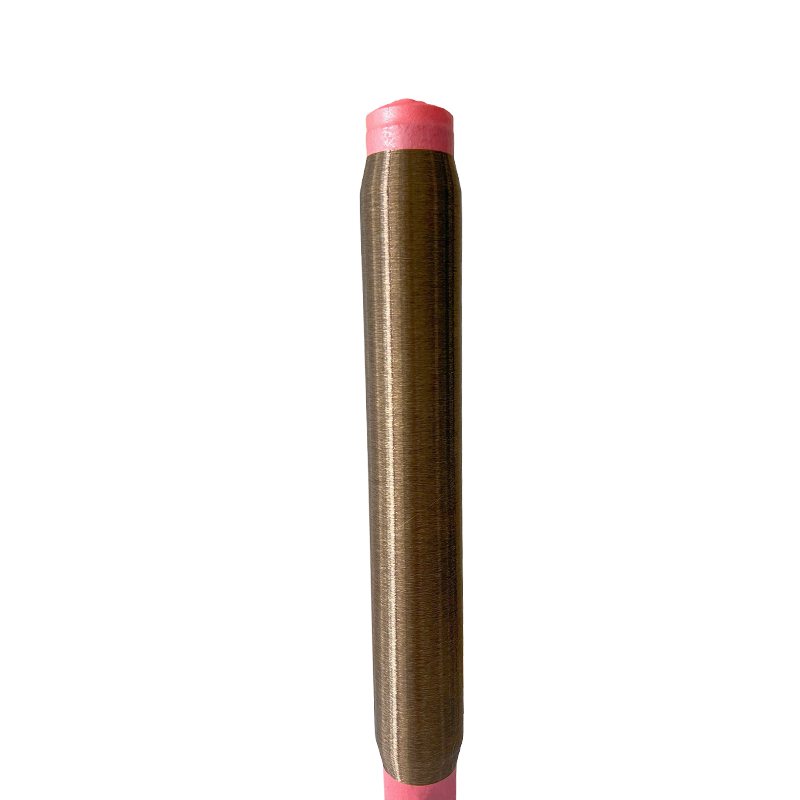
Solution-dyed polyester yarn is colored before the fiber is even formed. Pigment is mixed directly into the molten polymer chip prior to extrusion, so the color becomes part of the filament structure itself rather than a coating applied afterward. This is different from piece-dyed or package-dyed yarn, where finished fiber is dipped into a dye bath after spinning.
Because the pigment is locked inside the fiber, solution-dyed yarn resists fading from UV exposure, washing, and chemical contact far better than conventionally dyed yarn. Colorfastness ratings for solution-dyed polyester typically reach grade 7-8 on the blue wool scale, compared to grade 4-5 for standard dyed yarn.
Why Buyers Are Switching from Package-Dyed to Solution-Dyed Yarn
Water and energy costs are the biggest driver. Conventional package dyeing requires large volumes of water, heat, and dye-fixing chemicals per batch, plus wastewater treatment before discharge. Solution dyeing eliminates that entire wet-processing stage.
- Water usage can drop by roughly 70-80% per kilogram of yarn produced
- Energy consumption falls since no additional heating/drying cycle is needed for dyeing
- No dye-bath wastewater means fewer compliance costs under tightening effluent regulations
- Shorter lead times, since dyeing and spinning happen in one continuous process
Where Solution-Dyed Yarn Performs Best
Applications with heavy sun exposure or frequent washing benefit most from the fiber-level color lock. Outdoor upholstery, marine fabrics, automotive interior trim, awnings, and contract carpeting all specify solution-dyed yarn as standard because color loss under UV or friction would otherwise shorten product life significantly.
Home textile and apparel buyers are also adopting it for mid-to-premium product lines where consistent, batch-to-batch color matching matters more than the slightly higher minimum order quantities that solution dyeing usually requires.
Trade-Offs to Plan For
| Factor | Solution-Dyed | Package-Dyed |
|---|---|---|
| Colorfastness | Excellent | Moderate |
| Minimum order quantity | Higher, per color batch | Lower, flexible |
| Color change speed | Slower, tied to spinning runs | Faster, dye small batches on demand |
Buyers who need frequent small-batch color changes may still prefer package-dyed yarn, while buyers prioritizing durability, compliance, and long-term cost savings increasingly plan color programs around solution-dyed capacity.


GLOBAL BUSINESS
Backed by stable production capacity and integrated manufacturing and trading capabilities, Zhenyi Chemical Fiber is committed to serving customers in international markets. Our team provides responsive support throughout product selection, order coordination, export documentation and shipment arrangements. We aim to build long-term partnerships through consistent product quality, clear communication and dependable service.
Ready to Begin?
Categories
Contact Information

 +86-18258373586
 No. 318 Huiye Road, Fengming Subdistrict, Tongxiang, Jiaxing, Zhejiang, China.
Copyright © ZHENYI CHEMICAL FIBER CO., LTD. All rights reserved.
