

 English


Industry News
Recycled Polyester Yarn: GRS Certification & Sourcing Guide
2026-08-21
Content
Defining Recycled Polyester Yarn and Its Feedstock Sources
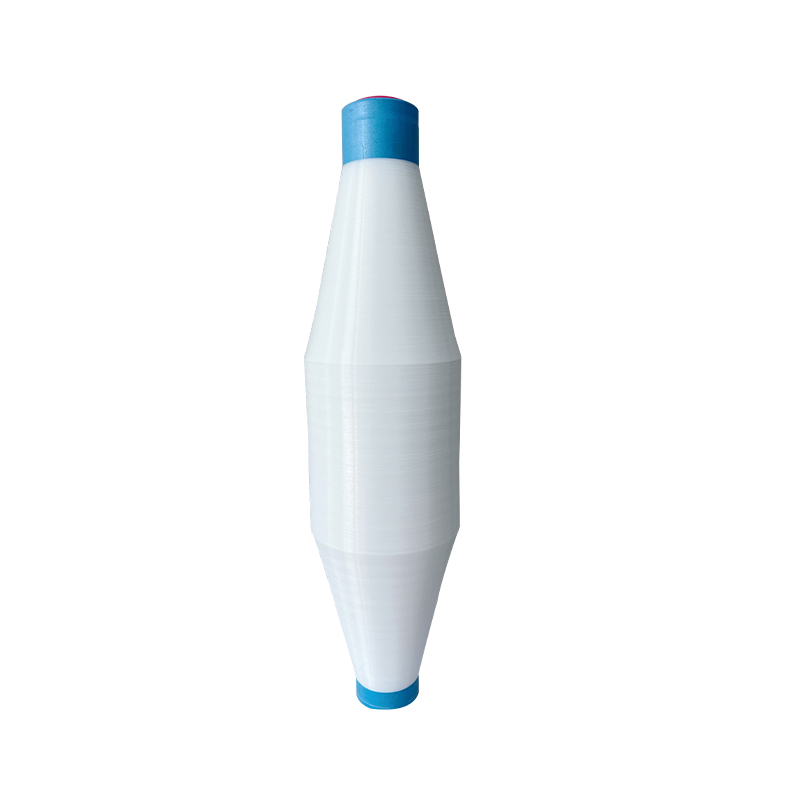
Recycled polyester yarn, often labeled rPET yarn, is spun from reclaimed PET material rather than newly extracted petroleum feedstock. Most current supply comes from post-consumer plastic bottles that are collected, cleaned, shredded into flakes, melted, and re-extruded into filament. A smaller but fast-growing share comes from textile-to-textile recycling, where old garments and production fabric scraps are broken down chemically or mechanically and respun into new yarn.
Bottle-to-fiber recycling currently supplies the large majority of rPET yarn on the market, while textile-to-textile capacity is still scaling up as sorting, de-dyeing, and de-blending technology matures enough to handle mixed-fiber waste at commercial volume.
Market and Regulatory Forces Driving Adoption
- Major apparel brands have committed to phasing out virgin polyester in core product lines, pushing the requirement down through several tiers of their supply chains
- EU regulation increasingly ties import and reporting requirements to recycled content percentages and traceable emissions data along the production chain
- Retailers are now asking suppliers for third-party certification rather than accepting recycled content claims at face value before allowing the material on finished products
- Carbon border reporting rules are pushing importers to track embedded emissions in upstream materials, including yarn, which favors recycled feedstock with a lower processing footprint
Taken together, these forces are moving recycled content from a marketing add-on to a baseline procurement requirement in several export markets, particularly for buyers shipping into the EU and for suppliers to brands with public sustainability pledges.
Verifying GRS Certification the Right Way
The Global Recycled Standard (GRS) verifies both the recycled content percentage and the chain of custody from feedstock through to finished yarn. A valid GRS certificate should specify the recycled input percentage, list the certified facilities involved in processing, and carry a current validity date rather than an expired one carried over from a previous audit cycle.
Buyers sourcing for regulated markets should request the shipment-level transaction certificate, not just a general company-level certificate, since recycled content claims are increasingly audited at the individual shipment level by customs and retailer compliance teams. A company-level certificate confirms the facility can produce certified material, but it does not by itself confirm that a specific batch was made under those conditions.
Performance Benchmarks Against Virgin Polyester
Recycled polyester yarn now performs close to virgin-grade yarn in tenacity and dye uptake when the feedstock is well sorted and processed, but quality can vary more between suppliers than with virgin polyester, since feedstock consistency depends on collection and sorting quality upstream of the spinning mill. It is worth requesting tenacity, elongation, and colorfastness test data alongside the recycled content certificate, since a valid GRS claim confirms origin, not mechanical performance.
In practice, well-controlled rPET yarn can match virgin polyester closely enough for most apparel, home textile, and industrial fancy yarn applications, provided the buyer tests a production sample rather than relying on a lab-scale sample that may not reflect full-batch consistency.
Building a Reliable Recycled Yarn Supply Chain
A stable recycled yarn program depends on a supplier that can maintain feedstock consistency across repeat orders, not just deliver one certified batch. Ask potential suppliers how they source their PET flake, whether they blend multiple feedstock batches to even out quality, and how far in advance they can lock in recycled content percentages for a production run.
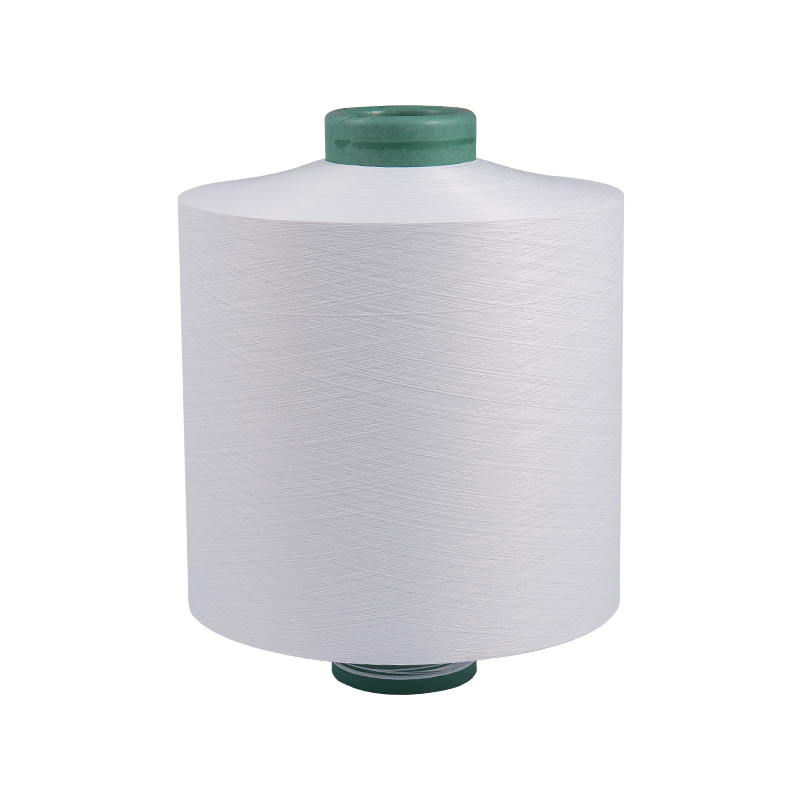
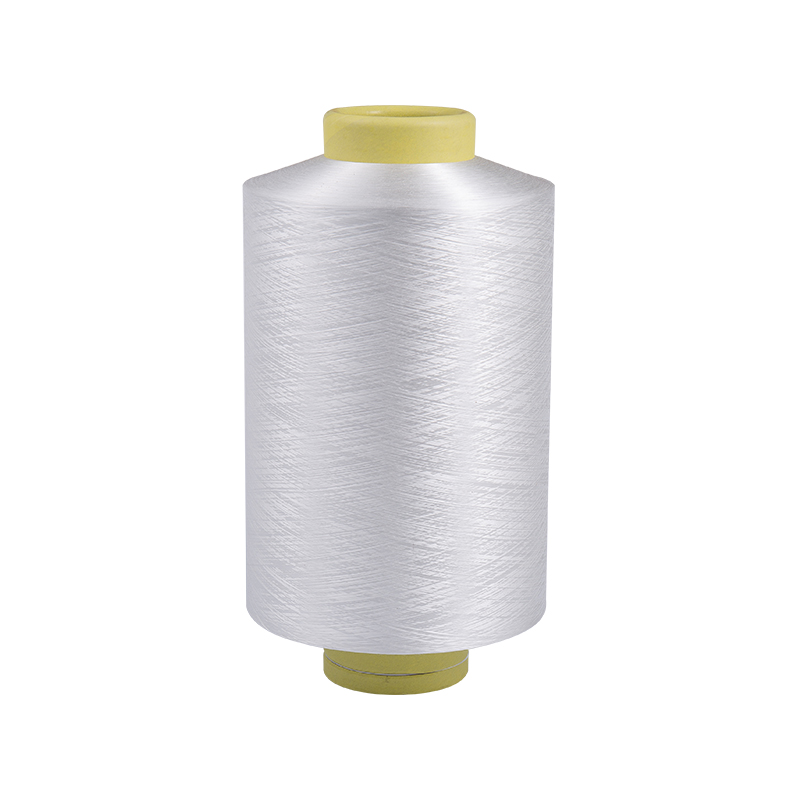
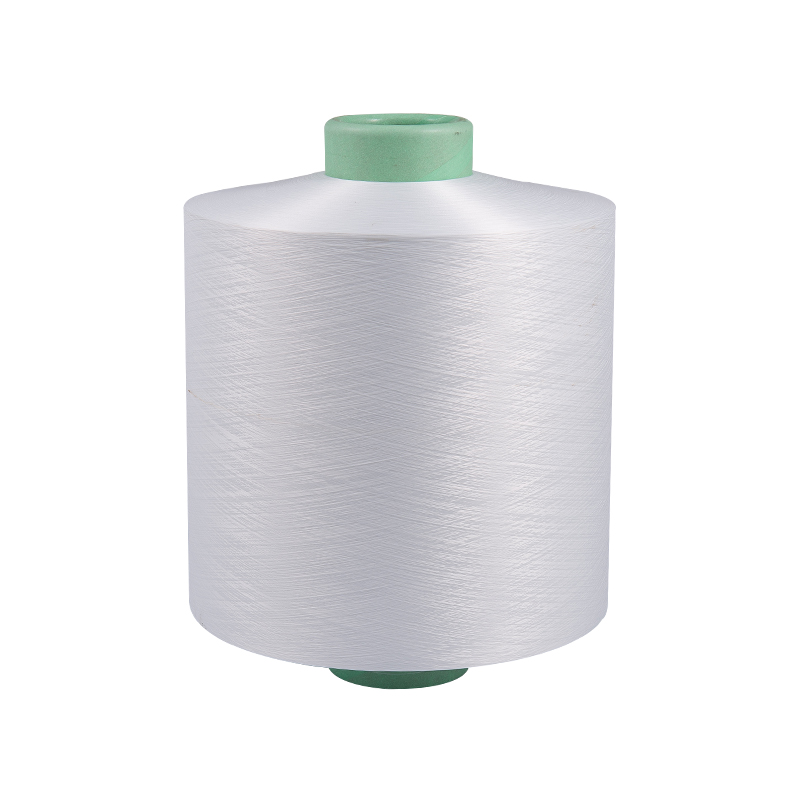
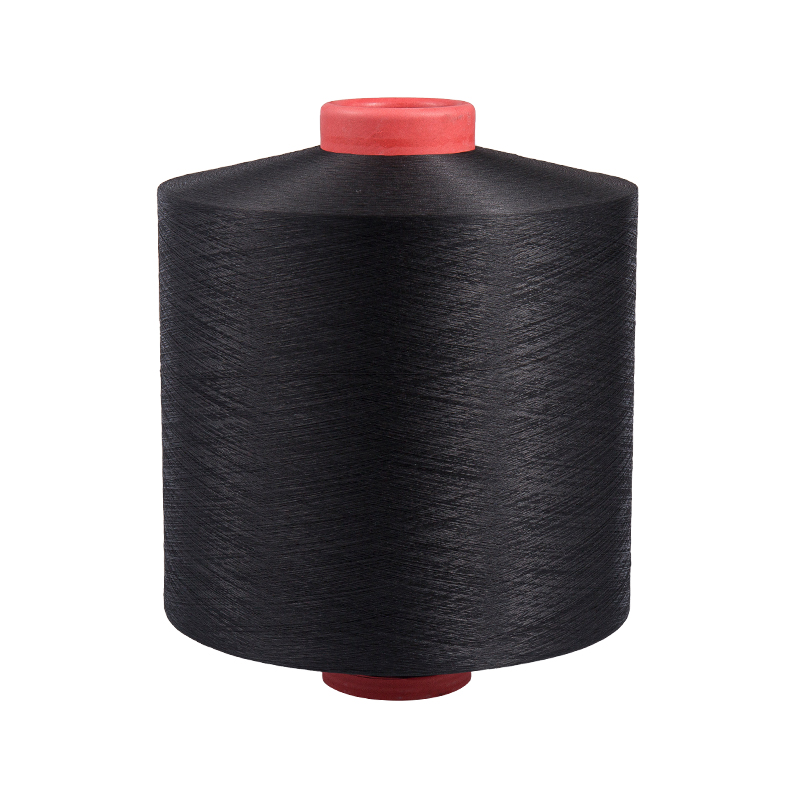
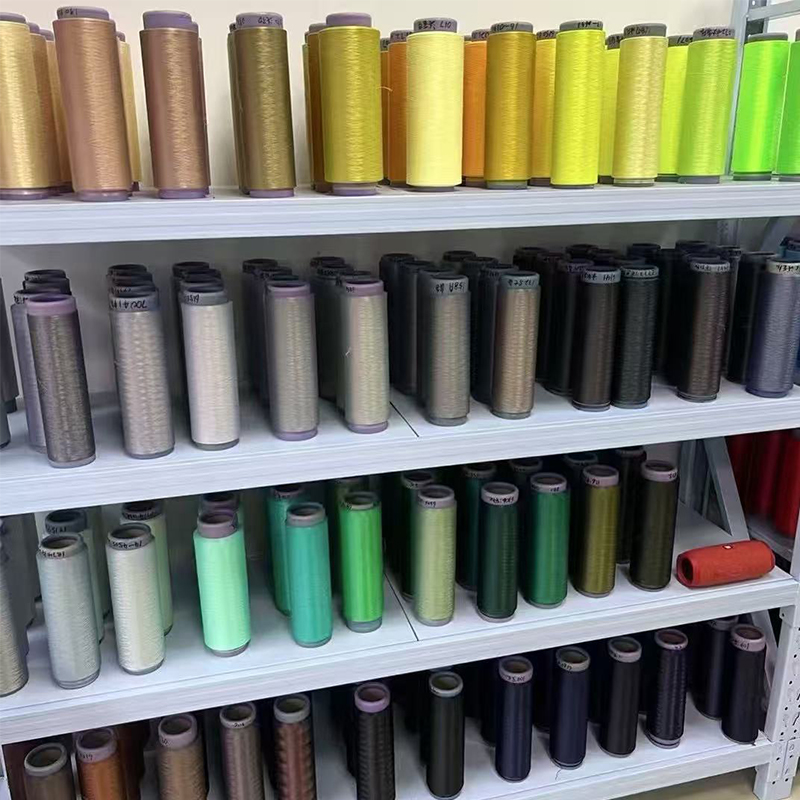
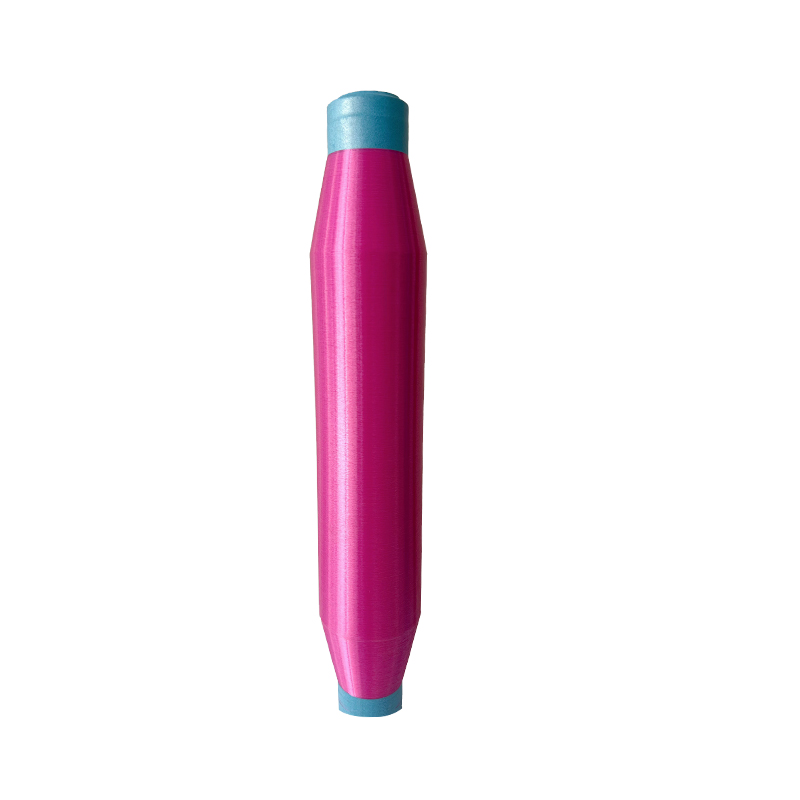
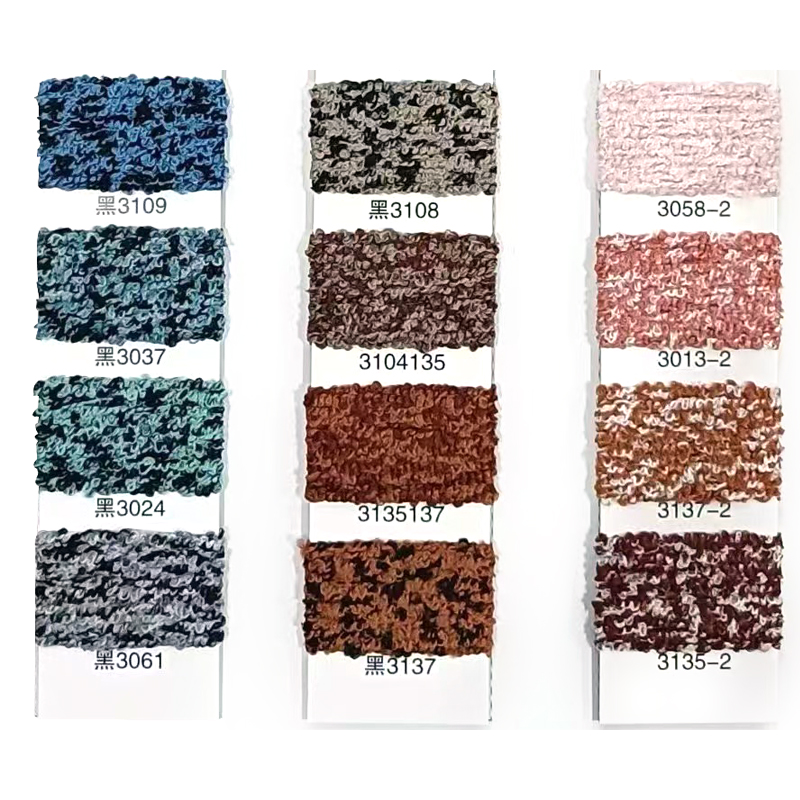
As part of our OEM and ODM production, we support customized spinning yarn orders, including specifications built around buyer-supplied recycled content targets, alongside our standard polyester yarn ranges detailed on our polyester DTY product pages.

GLOBAL BUSINESS
Backed by stable production capacity and integrated manufacturing and trading capabilities, Zhenyi Chemical Fiber is committed to serving customers in international markets. Our team provides responsive support throughout product selection, order coordination, export documentation and shipment arrangements. We aim to build long-term partnerships through consistent product quality, clear communication and dependable service.
Ready to Begin?
Categories
Contact Information

 +86-18258373586
 No. 318 Huiye Road, Fengming Subdistrict, Tongxiang, Jiaxing, Zhejiang, China.
Copyright © ZHENYI CHEMICAL FIBER CO., LTD. All rights reserved.
