

 English
 中文简体
中文简体 Español
 عربى
عربى


Industry News
Polyester Fiber Properties: vs Cotton, Acrylic & Synthetic Guide
2026-03-06
Polyester is a synthetic fiber — but not all synthetic fibers are polyester. Acrylic, nylon, and spandex are also synthetic but chemically distinct from polyester. Compared to cotton, polyester is stronger, more moisture-resistant, and wrinkle-free, but less breathable and softer only in specific microfiber forms. Understanding the precise properties of polyester fiber — tenacity, moisture regain, thermal behavior, and dyeability — is essential for anyone selecting fabric for apparel, upholstery, technical textiles, or industrial applications. This article answers every key comparison directly, with specific data throughout.
Content
- 1 Is Polyester the Same as Synthetic? Understanding the Relationship
- 2 Properties of Polyester Fiber: Complete Technical Profile
- 3 Characteristics of Polyester Fiber: Summary Table
- 4 Difference Between Polyester and Cotton: A Practical Comparison
- 5 Is Polyester Softer Than Cotton?
- 6 Is Acrylic the Same as Polyester? Key Differences
- 7 Polyester Fabric Properties: How Fiber Becomes Fabric
- 8 Choosing Between Polyester, Cotton, and Acrylic: Practical Decision Guide
Is Polyester the Same as Synthetic? Understanding the Relationship
Polyester is synthetic, but "synthetic" is a broader category. A synthetic fiber is any fiber manufactured from chemically synthesized polymers derived primarily from petrochemical feedstocks — as opposed to natural fibers (cotton, wool, silk, linen) grown or harvested from plants or animals, or semi-synthetic fibers (viscose, modal, lyocell) made by chemically processing natural cellulose.
The main synthetic fiber families are:
- Polyester (PET — polyethylene terephthalate): made by condensation polymerization of ethylene glycol and terephthalic acid; the world's most-produced synthetic fiber, accounting for approximately 54% of global fiber output
- Nylon (polyamide): made from diamine and dicarboxylic acid monomers; first synthetic fiber commercially produced (1938); stronger than polyester with superior abrasion resistance
- Acrylic (polyacrylonitrile): made from acrylonitrile monomer; designed to mimic wool in feel and appearance
- Spandex / Elastane (polyurethane-polyurea): extreme elasticity fiber; rarely used alone, almost always blended
- Polypropylene (PP): lightest synthetic fiber; used in geotextiles, activewear liners, and packaging
So while every polyester product is synthetic, calling something "synthetic" does not confirm it is polyester. When a garment label states "100% synthetic" without specifying the fiber type, it could be any of the above. Always look for the specific fiber name — polyester, nylon, acrylic — rather than just "synthetic" to understand what you are actually working with.
Properties of Polyester Fiber: Complete Technical Profile
The characteristics of polyester fiber flow directly from its molecular structure — a long-chain polymer of ester linkages with highly oriented crystalline regions created during the drawing process. This structure explains why polyester performs so differently from natural fibers in nearly every measurable category.
Tensile Strength and Durability
Polyester has a dry tenacity of 4.0–7.0 grams per denier (gpd) depending on the manufacturing draw ratio and whether it is standard, high-tenacity, or industrial grade. For comparison, regular cotton tests at 3.0–4.9 gpd and wool at 1.0–1.7 gpd. High-tenacity polyester used in technical applications — seat belts, tire cord, rope — achieves 7.0–9.5 gpd, making it one of the strongest commercially available textile fibers.
Unlike cotton, polyester does not weaken when wet — its wet tenacity is essentially identical to dry tenacity (wet/dry ratio ≈ 1.0). Cotton loses approximately 10–20% of its dry strength when wet. This property makes polyester significantly more durable in repeated wash-and-wear cycles, outdoor exposure, and applications involving moisture.
Moisture Regain and Breathability
Polyester's moisture regain — the percentage of water absorbed relative to dry fiber weight at standard conditions (65% RH, 20°C) — is only 0.2–0.4%. Cotton's moisture regain is 7–8%, and wool's is 13–18%. This hydrophobic nature is one of polyester's defining characteristics: it simply does not absorb moisture the way natural fibers do.
The practical consequences are significant. In warm or active use, sweat stays on the skin surface rather than being wicked into the fiber, which can feel clammy. However, in performance activewear, polyester's hydrophobicity is engineered into an advantage: moisture-wicking fabric constructions transport perspiration to the outer surface for rapid evaporation, keeping the skin drier than an absorptive cotton equivalent during high-intensity activity.
Wrinkle and Elastic Recovery
Polyester's elastic recovery from deformation is excellent. When bent or compressed, the highly oriented polymer chains return to their original configuration — this is the molecular basis for polyester's wrinkle resistance. Wrinkle recovery angle for polyester fabric typically measures 250–280° (warp + weft combined) on the Monsanto wrinkle recovery test, compared to 150–190° for untreated cotton. This is why polyester garments and polyester-cotton blends require far less ironing than pure cotton equivalents.
Thermal Properties
Polyester softens at approximately 230–240°C and melts at 255–265°C. This thermoplastic behavior is critical in manufacturing — polyester can be heat-set into permanent pleats, creases, or shapes that will not wash out. It also means ironing must be done at low-medium settings (110–130°C maximum) to avoid fabric damage or glazing. Continuous service temperature for polyester in apparel applications is typically rated to 150°C before significant strength loss occurs.
Chemical Resistance
Polyester has good resistance to most dilute acids and oxidizing agents encountered in laundering. It is resistant to bleach (at recommended concentrations), most organic solvents, and mildew — unlike cotton and wool, which are attacked by mold and mildew at elevated humidity. Polyester is degraded by concentrated strong alkalis at elevated temperatures, which is why high-alkalinity detergents at high wash temperatures should be avoided for polyester fabrics.
Dyeability
Polyester's hydrophobic, non-polar surface is not receptive to the water-soluble dyes used for cotton and wool. It requires disperse dyes applied under high temperature (120–140°C) and high pressure in an autoclave-style dyeing machine. The dye molecules diffuse into the swollen amorphous regions of the fiber and become physically trapped on cooling. This dyeing process produces excellent wash fastness (typically Grade 4–5 on ISO 105-C06) and light fastness (Grade 4–5 on ISO 105-B02), but it is more energy-intensive than cotton dyeing and cannot be performed at home with standard fabric dyes.
Characteristics of Polyester Fiber: Summary Table
| Property | Value / Rating | Practical Implication |
|---|---|---|
| Dry tenacity | 4.0–7.0 gpd | Stronger than cotton; resists tearing |
| Wet/dry strength ratio | ~1.0 (no loss) | Equal strength wet and dry |
| Moisture regain | 0.2–0.4% | Low breathability; fast drying |
| Wrinkle recovery angle | 250–280° | Excellent wrinkle resistance |
| Softening point | 230–240°C | Heat-settable; iron at low temp only |
| Melting point | 255–265°C | Flame risk at high temperatures |
| Elongation at break | 20–50% | Good stretch recovery in fabric form |
| Specific gravity | 1.38 g/cm³ | Heavier than nylon; lighter than cotton (1.54) |
| UV resistance | Good (Grade 4–5) | Suitable for outdoor applications |
| Mildew resistance | Excellent | Does not support mold growth |
| Pilling tendency | Moderate–High | Loose fibers form pills on surface over time |
| Static electricity | High tendency | Attracts lint and dust; clings in dry conditions |
Difference Between Polyester and Cotton: A Practical Comparison
Polyester and cotton are the world's two most used textile fibers — polyester at approximately 54% of global production and cotton at approximately 22%. They are fundamentally different in origin, structure, and performance, each suited to different end-uses and conditions.
Origin and Structure
Cotton is a natural cellulosic fiber grown in the seed pod of the Gossypium plant. Its fiber cross-section is kidney-shaped with a hollow canal (lumen), and the cell wall is composed of spirally arranged cellulose microfibrils — a structure that naturally absorbs and releases moisture. Polyester is a manufactured fiber extruded from melted polymer chips through spinnerets; its cross-section is typically round or trilobal, with a solid, non-porous core that repels moisture.
Comfort and Breathability
Cotton's moisture regain of 7–8% means it absorbs perspiration into the fiber, drawing it away from the skin — a mechanism that makes cotton feel cool and comfortable in warm, moderately active conditions. Polyester's 0.2–0.4% moisture regain means sweat pools on the skin surface unless the fabric's construction actively wicks moisture to the outer layer. For casual wear in warm weather, cotton is consistently rated more comfortable in consumer preference studies — typically 60–70% of respondents prefer cotton over polyester for close-to-skin warm-weather garments.
However, for high-intensity athletic use, moisture-wicking polyester outperforms cotton: cotton absorbs sweat and becomes heavy, clinging to the skin and slowing evaporative cooling. Polyester activewear transports moisture to the fabric surface where it evaporates faster, keeping the athlete drier during sustained exertion.
Durability and Wash Performance
Polyester maintains its strength, color, and shape through significantly more wash cycles than cotton. A quality polyester garment shows minimal degradation after 50–100 wash cycles; cotton fabrics begin showing tensile strength reduction and color fading after 20–30 wash cycles under equivalent conditions. Polyester's dimensional stability is superior — it does not shrink when washed at the correct temperature, whereas cotton can shrink 3–7% in length and width on the first wash if not pre-shrunk during manufacturing.
Environmental Profile
Cotton production requires significant land, water (approximately 10,000–20,000 liters of water per kilogram of lint), and pesticide inputs — cotton accounts for approximately 16% of global insecticide use despite covering only 2.5% of arable land. Polyester production is petroleum-dependent and energy-intensive, and polyester fabrics shed microplastic particles (0.5–2 million microfibers per wash cycle) into wastewater. Neither fiber has a clearly superior environmental profile; the comparison depends heavily on which impacts are weighted. Recycled polyester (rPET) from PET bottles reduces virgin petroleum dependency by approximately 30–50% but does not eliminate the microplastic shedding issue.
Head-to-Head Comparison Table
| Property | Polyester | Cotton | Winner for Most Uses |
|---|---|---|---|
| Dry tensile strength | 4.0–7.0 gpd | 3.0–4.9 gpd | Polyester |
| Moisture absorption | 0.2–0.4% | 7–8% | Cotton (comfort); Polyester (drying speed) |
| Wrinkle resistance | Excellent | Poor (untreated) | Polyester |
| Breathability | Low–Moderate | High | Cotton |
| Shrinkage (first wash) | <1% | 3–7% | Polyester |
| Softness (standard fabric) | Moderate | High | Cotton (general); Polyester microfiber (specialty) |
| Colorfastness (wash) | Grade 4–5 | Grade 3–4 | Polyester |
| Mildew resistance | Excellent | Poor (when damp) | Polyester |
| Skin feel (casual wear) | Less natural | Natural, preferred | Cotton |
| Cost (bulk fabric) | Lower | Higher | Polyester |
Is Polyester Softer Than Cotton?
In standard fabric form, cotton is generally softer than polyester — particularly after washing, which progressively softens cotton fiber surfaces through gentle fibrillation. Most people find standard woven or knit cotton more comfortable against skin than equivalent-weight polyester, which can feel slightly slick, stiff, or plasticky in low-quality forms.
However, polyester can be made softer than cotton in specific product categories:
- Microfiber polyester: Fibers finer than 1 denier per filament (dpf) — and ultra-microfibers below 0.3 dpf — produce fabrics that are measurably softer and drapier than standard cotton. Polyester microfiber suede and velvet-feel fabrics used in furniture, sportswear, and premium apparel routinely outperform cotton on tactile softness measurements.
- Brushed or peached polyester: Mechanical finishing processes that raise the fiber surface create a soft, fuzzy hand similar to brushed cotton flannel. High-quality brushed polyester fleece can feel softer than mid-grade cotton jersey.
- Polyester velboa and short-pile fabrics: The cut-pile construction creates a surface softness that exceeds most woven cotton fabrics of equivalent weight.
The practical answer: standard polyester is not softer than cotton, but engineered polyester microfiber constructions can be significantly softer than standard cotton. The comparison depends entirely on which specific polyester product and which specific cotton product are being compared.
Is Acrylic the Same as Polyester? Key Differences
Acrylic and polyester are both synthetic fibers, but they are chemically and functionally different products designed for distinct applications. Confusing them is common because both appear on garment labels as synthetic alternatives to natural fibers, but their performance characteristics diverge significantly.
Chemical Composition
Polyester is a polymer built from ester linkages — specifically the condensation product of ethylene glycol and terephthalic acid. Acrylic is a polymer built from acrylonitrile monomer (CH₂=CHCN), sometimes copolymerized with small amounts of vinyl acetate or methyl acrylate to improve dyeability and flexibility. The ester and nitrile chemistries produce fibers with fundamentally different physical properties despite both being petroleum-derived synthetics.
Functional Differences
Acrylic was specifically engineered to mimic wool. Its bulk, warmth, and soft hand make it a wool substitute in knitwear, blankets, upholstery, and craft yarn. Key differences from polyester include:
- Warmth: Acrylic has lower thermal conductivity than polyester and traps more air in its bulky, crimped fiber structure — making it warmer per gram than standard polyester filament. Polyester hollowfill and polyester fleece close this gap, but in yarn form, acrylic is inherently warmer.
- Moisture regain: Acrylic absorbs approximately 1.0–2.5% moisture — still low compared to natural fibers, but meaningfully higher than polyester's 0.2–0.4%. This makes acrylic marginally more comfortable in knitwear applications than equivalent polyester yarn.
- Pilling: Acrylic pills significantly more than polyester in knit applications — one of its major weaknesses compared to both polyester and natural fibers. The pills that form are held firmly by the fabric surface and can be difficult to remove.
- Dyeability: Acrylic accepts basic (cationic) dyes at moderate temperatures (80–100°C) without the high-pressure equipment required for polyester, making it easier and cheaper to dye in bright, vivid shades.
- Strength: Acrylic is weaker than polyester — dry tenacity of 2.0–3.5 gpd versus polyester's 4.0–7.0 gpd. Acrylic fabrics are less durable under abrasion and repeated flexing.
- UV resistance: Acrylic has excellent UV resistance — one of the best of any fiber — making it the preferred choice for outdoor upholstery, awnings, and marine fabrics. Polyester also has good UV resistance but is generally rated slightly below acrylic in outdoor exposure applications.
- Flame behavior: Acrylic melts and burns with a distinct acrid smell; polyester melts and self-extinguishes more readily than acrylic. Neither is inherently flame-retardant without chemical treatment.
When to Choose Acrylic vs. Polyester
Choose acrylic when warmth, softness in knitwear, wool-like appearance, or outdoor UV resistance are the primary requirements. Choose polyester when strength, wash durability, wrinkle resistance, moisture management in activewear, or cost at high volume are the priorities. For most apparel applications requiring durability and low maintenance, polyester outperforms acrylic. For warm knitwear and outdoor fabrics, acrylic is often the better technical choice.
| Property | Acrylic | Polyester | Better Choice |
|---|---|---|---|
| Tensile strength | 2.0–3.5 gpd | 4.0–7.0 gpd | Polyester |
| Warmth | High (wool-like) | Moderate (varies by construction) | Acrylic (yarn); Polyester (fleece) |
| Moisture regain | 1.0–2.5% | 0.2–0.4% | Acrylic (comfort); Polyester (drying speed) |
| UV resistance | Excellent | Good | Acrylic (outdoor fabrics) |
| Pilling | High tendency | Moderate tendency | Polyester |
| Wash durability | Moderate | High | Polyester |
| Dyeability | Basic dyes, 80–100°C | Disperse dyes, 120–140°C | Acrylic (simpler process) |
| Primary application | Knitwear, blankets, outdoor upholstery | Apparel, activewear, upholstery, technical textiles | Context-dependent |
Polyester Fabric Properties: How Fiber Becomes Fabric
The properties of polyester fabric are not identical to the properties of polyester fiber — fabric construction, yarn type, and finishing processes all modify the end product significantly. Understanding this relationship prevents common selection errors.
Filament vs. Staple Polyester
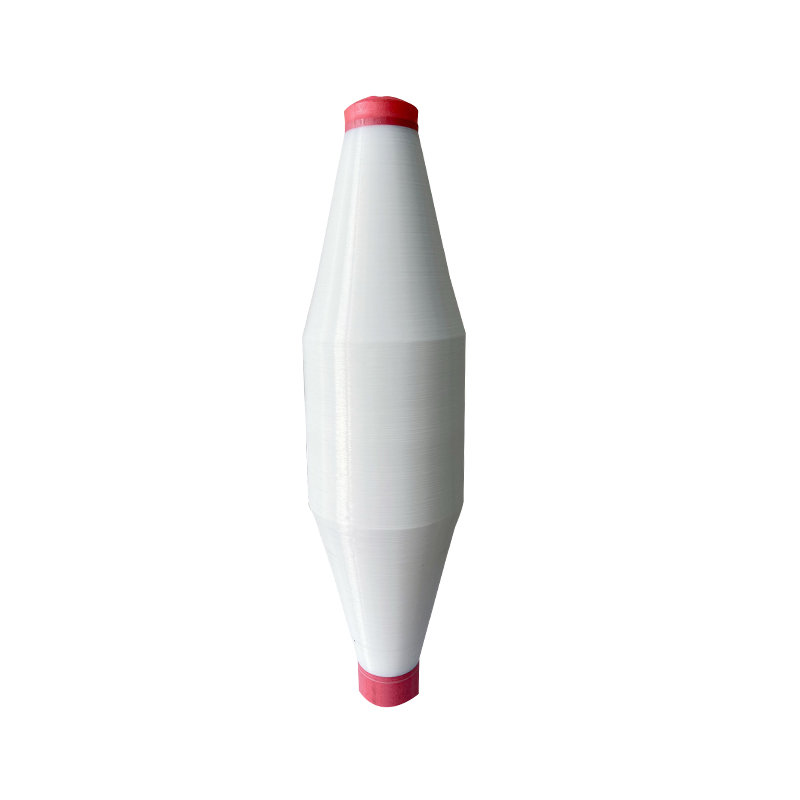
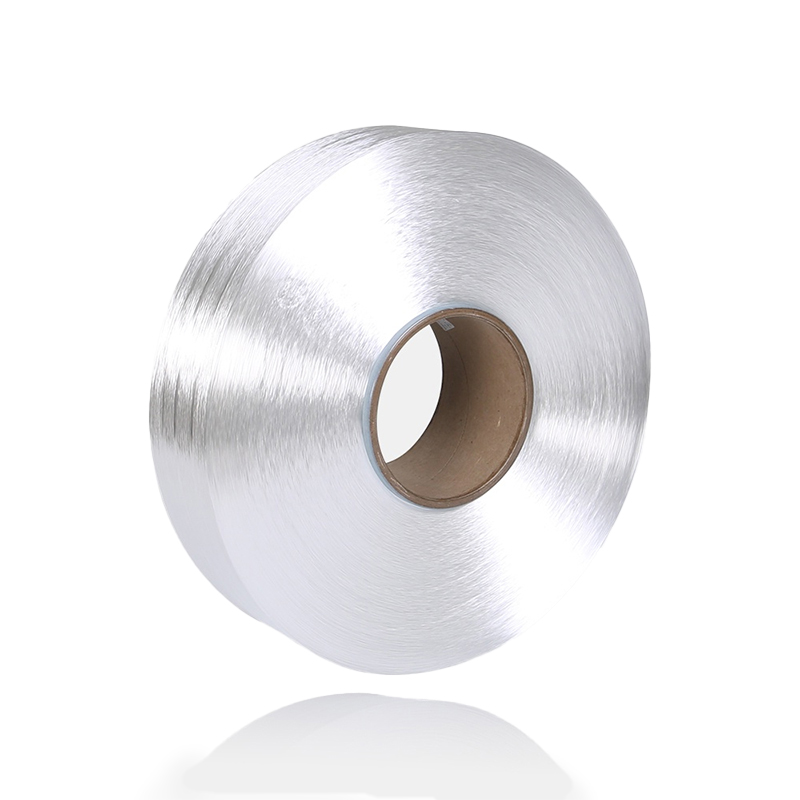
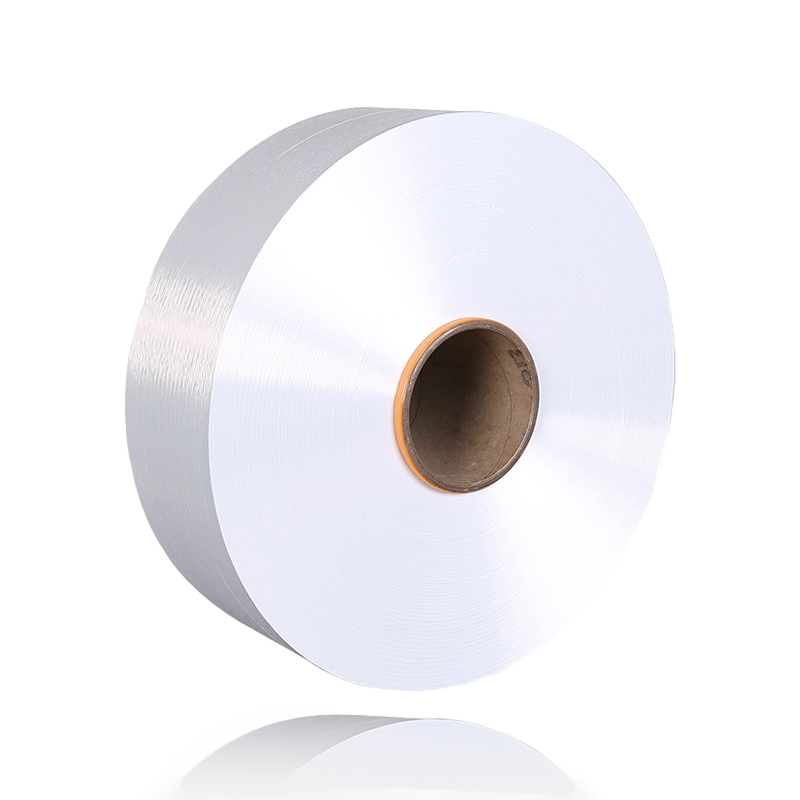
Polyester fiber is produced in two forms. Filament polyester is a continuous, smooth thread extruded in any desired length — used to make woven fabrics with a smooth, silky or satiny surface (polyester chiffon, polyester satin, lining fabrics). Staple polyester is cut into short lengths (25–75 mm) and spun into yarn similarly to cotton spinning — used to make fabrics with a textured, cotton-like or wool-like surface (polyester fleece, polyester jersey, blended polyester-cotton fabrics).
Filament fabrics are smoother and show polyester's characteristic sheen; staple fabrics have a more matte, natural appearance and are more likely to develop surface pilling over time.
Woven vs. Knit Construction
Polyester woven fabrics (plain weave, twill, satin) are dimensionally stable, low-stretch, and suited to structured garments, upholstery, and bags. Polyester knit fabrics (jersey, interlock, velboa) are stretchy, conforming, and suited to activewear, casual tops, and upholstered furniture. The knit construction introduces the stretch behavior not present in the polyester fiber itself — the fiber's elongation at break of 20–50% provides the elasticity that allows the looped knit structure to expand and recover.
Finishing Processes That Modify Polyester Fabric Properties
- Heat setting: Stabilizes fabric dimensions, sets pleats, and fixes the knit structure to prevent shrinkage in use — typically performed at 160–200°C
- Brushing/peaching: Raises fiber ends to create a soft, suede-like or fleece-like surface; dramatically changes hand feel from smooth to soft
- Moisture-wicking finish (MWF): Hydrophilic chemical finish applied to the fiber surface to improve moisture transport; partially compensates for polyester's inherent hydrophobicity in activewear applications
- Anti-static finish: Reduces static electricity buildup; important for polyester fabrics used in environments with dust or flammable materials
- Water repellent (DWR) finish: Creates beading effect on the fabric surface; used in outdoor and rainwear applications
- Anti-pilling treatment: Chemical or mechanical processes that reduce the tendency for loose fiber ends to form pills on the fabric surface
Choosing Between Polyester, Cotton, and Acrylic: Practical Decision Guide
With the technical properties of all three fibers established, the selection decision becomes straightforward when matched to application requirements:
- Choose polyester when durability, wrinkle resistance, color retention, moisture management in athletic use, outdoor UV exposure, or low cost at volume are the primary requirements. Also best for applications requiring mildew resistance (outdoor furniture, marine, swimwear) or dimensional stability through repeated washing.
- Choose cotton when skin comfort in warm weather, breathability, natural fiber preference, hypoallergenic properties (polyester can cause contact dermatitis in sensitive individuals), or ease of home dyeing are the priorities. Best for everyday casual wear, bedding, towels, and baby garments.
- Choose acrylic when warmth in knitwear, wool-like appearance and hand feel, extreme UV resistance (outdoor awnings, boat covers), or low-cost bulk knitwear production are the requirements. Avoid where abrasion resistance and wash durability are critical — acrylic's weakness in both categories makes it a poor choice for high-wear garments.
- Consider polyester-cotton blends (65/35 or 50/50) when you want the wrinkle resistance and durability of polyester combined with the breathability and hand feel of cotton — the most common compromise for workwear, school uniforms, and casual shirting.



GLOBAL BUSINESS
Backed by stable production capacity and integrated manufacturing and trading capabilities, Zhenyi Chemical Fiber is committed to serving customers in international markets. Our team provides responsive support throughout product selection, order coordination, export documentation and shipment arrangements. We aim to build long-term partnerships through consistent product quality, clear communication and dependable service.
Ready to Begin?
Categories
Contact Information

 +86-18258373586
 No. 318 Huiye Road, Fengming Subdistrict, Tongxiang, Jiaxing, Zhejiang, China.
Copyright © ZHENYI CHEMICAL FIBER All rights reserved.
