

 English
 Home / News / Industry News / Polyester Crochet Yarn: Types, Properties, Best Projects & Complete Care Guide
Industry News
Polyester Crochet Yarn: Types, Properties, Best Projects & Complete Care Guide
2026-02-28
Content
- 1 What Is Polyester Crochet Yarn and Why Crocheters Choose It
- 2 Types of Polyester Crochet Yarn and Their Distinct Characteristics
- 3 Polyester Crochet Yarn Weight Categories and Hook Size Guide
- 4 Working with Polyester Crochet Yarn: Practical Tips for Better Results
- 5 Best Projects for Polyester Crochet Yarn
- 6 Washing and Caring for Polyester Crocheted Items
- 7 Polyester vs. Other Common Crochet Yarn Fibers: An Honest Comparison
- 8 Selecting Quality Polyester Crochet Yarn: What to Look For
What Is Polyester Crochet Yarn and Why Crocheters Choose It
Polyester crochet yarn is a fiber made entirely or predominantly from polyethylene terephthalate (PET) polymer — the same base material used in plastic bottles, clothing textiles, and industrial fabrics — that has been drawn into continuous filaments, texturized, cut into staple lengths, and spun into yarn suitable for crochet work. The manufacturing process allows polyester to be engineered with remarkable precision: fiber diameter, crimp level, cross-sectional shape, and surface texture can all be controlled to produce yarns with specific tactile and visual properties that range from silky smooth to fluffy and cloud-like. This versatility, combined with polyester's inherent durability, colorfastness, and resistance to moisture and most chemicals, has made it one of the most widely used fiber types in the global yarn market, appearing in hundreds of crochet yarn products across every weight category from lace to super bulky.
Crocheters choose polyester yarn for a combination of practical and creative reasons that natural fibers cannot always satisfy. The fiber's complete resistance to mold, mildew, and moth damage makes it ideal for items that will be stored for extended periods or used in damp environments. Its dimensional stability — polyester does not shrink, felt, or distort when washed — means crocheted items retain their blocked shape and stitch definition through repeated machine washing. For crocheters working on gifts, baby items, or home goods that will be used and laundered frequently, these properties translate directly into longer item life and less worry for the recipient. The price accessibility of polyester yarn compared to luxury natural fibers also makes it the practical choice for large-scale projects, practice work, and crocheters building their skills on a budget.
Types of Polyester Crochet Yarn and Their Distinct Characteristics
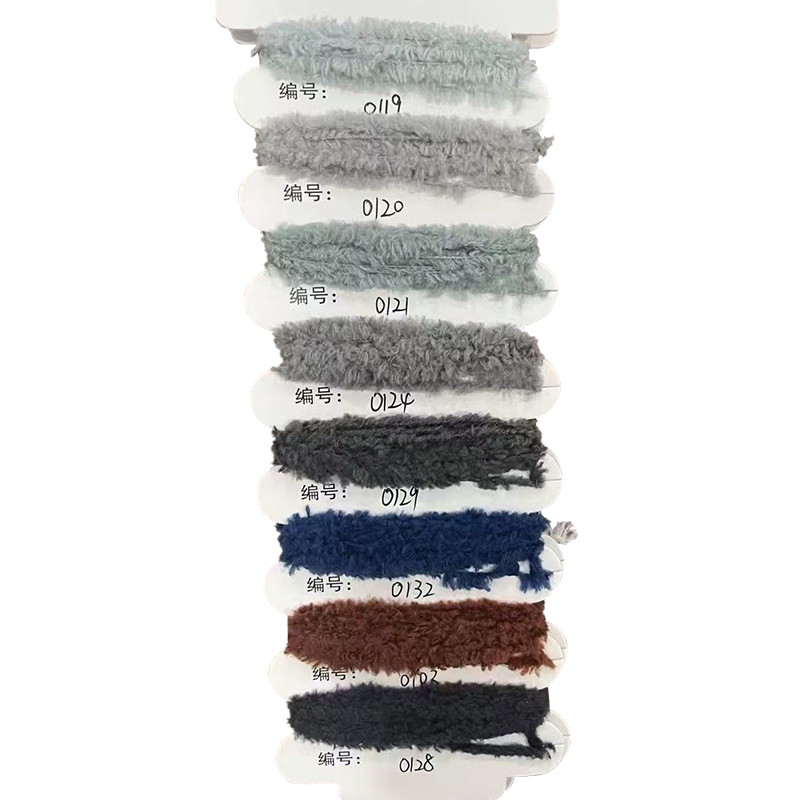
The category of polyester crochet yarn is far broader than it might initially appear. Rather than a single uniform product, polyester yarn encompasses numerous distinct yarn constructions and surface textures, each produced through different manufacturing processes and suited to different crochet applications. Understanding the specific type of polyester yarn you are working with is essential for setting accurate expectations about its behavior on the hook, its finished appearance, and its suitability for a given project.
Standard Spun Polyester Yarn
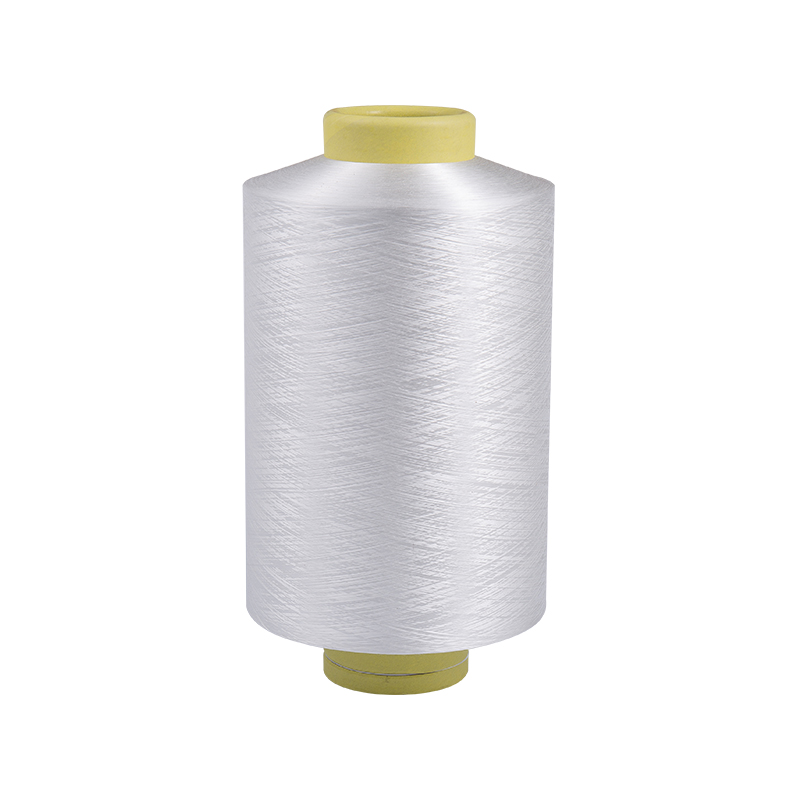
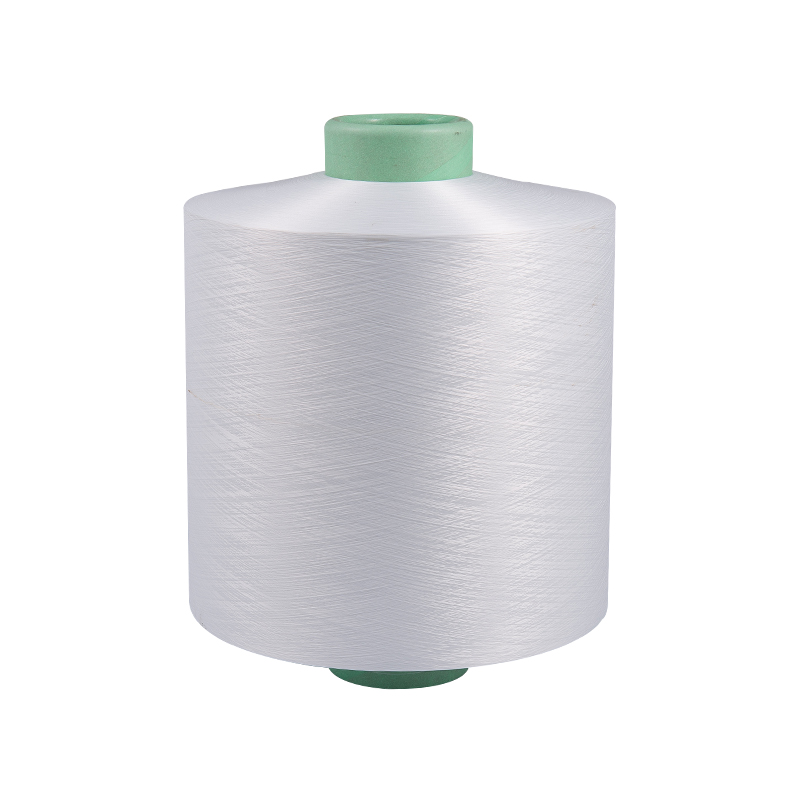
Standard spun polyester yarn is produced by cutting continuous polyester filaments into short staple lengths — typically 38mm to 64mm — and then spinning them together using conventional ring spinning or open-end spinning equipment, producing a yarn with a structure similar to wool or cotton yarn. The resulting yarn has a matte to low-sheen surface, good stitch definition, and a soft but not silky hand feel. This type of polyester yarn is the most common in budget and mid-market crochet yarn ranges and is typically sold in weight categories from DK through worsted and bulky. It works well for amigurumi, bags, home décor items, and garments where stitch definition and washability are priorities. The main limitation of standard spun polyester is pilling — the short staple fibers at the yarn surface can work loose during wear or washing and form small fiber balls (pills) on the finished fabric surface, though this can be minimized by choosing higher-twist or tightly spun versions.
Filament Polyester and Microfiber Yarn
Filament polyester yarn is produced from continuous polyester filaments that are not cut into staple lengths but are instead twisted or air-entangled together directly, producing a smooth, often lustrous yarn with a silky surface quality. Microfiber polyester yarns use extremely fine filaments — typically less than 1 denier per filament, finer than a human hair — that produce an exceptionally soft, almost suede-like surface texture that is surprisingly close to cashmere in tactile quality despite being entirely synthetic. Filament and microfiber polyester yarns are commonly used in velvet-finish crochet yarns, velour yarns, and the category of "chenille-style" polyester yarns that have become extremely popular for crochet blankets and wearables. These yarns are typically low-twist or no-twist constructions, which gives them their characteristic drape and softness but can make them more challenging to work with on the hook — the filaments can split easily if the hook tip catches between individual filaments rather than entering the yarn as a whole.
Chenille and Velvet Polyester Yarn
Polyester chenille and velvet yarns have become some of the most sought-after yarn types in the crochet community over the past several years. True chenille yarn has a distinctive construction: short polyester fibers (the pile) are locked between two twisted core yarns at right angles during manufacturing, producing a yarn that resembles a caterpillar in cross-section and creates a dense, plush, velvety fabric surface when crocheted. Velvet yarns use a similar surface pile principle but achieve their texture through a looped pile that lies parallel to the yarn core. Both types produce crocheted fabrics with an exceptionally soft, luxurious hand feel and a subtle sheen from the way the pile catches light. They work particularly well for blankets, plush toys, slippers, and home accessories where tactile softness is the primary design goal. The challenge with chenille and velvet yarns for crochet is their lack of stitch definition — the pile completely covers the stitch structure, making complex stitch patterns invisible — and they require a larger hook than their weight category might suggest to prevent the fabric from becoming too dense.
Recycled Polyester Yarn (rPET)
Recycled polyester crochet yarn, commonly labeled rPET or recycled PET, is produced from post-consumer polyester waste — primarily plastic bottles — that is collected, cleaned, shredded into flakes, melted, and re-extruded into new polyester filaments that are then processed into crochet yarn. The technical performance of rPET yarn is essentially identical to virgin polyester yarn of equivalent construction, but the environmental footprint is substantially reduced: producing polyester yarn from recycled bottles requires approximately 59% less energy than producing virgin polyester from petroleum feedstock and generates significantly lower greenhouse gas emissions. rPET yarn has become increasingly available from both large manufacturers and independent dyers, and is often certified by Global Recycled Standard (GRS) or similar third-party schemes that verify the recycled content claims. For environmentally conscious crocheters who prefer the practical properties of polyester but want to reduce their environmental impact, rPET yarn provides a meaningful compromise.
Polyester Crochet Yarn Weight Categories and Hook Size Guide
Polyester crochet yarn is available across the full spectrum of standard yarn weight categories, from superfine lace-weight threads used for delicate doilies and decorative work to super bulky yarns used for quick-stitch blankets and statement home accessories. Matching the yarn weight to an appropriate hook size is essential for achieving the gauge specified in patterns and for producing fabric with the correct drape and density for its intended use. The following table provides a practical reference for polyester crochet yarn weights, their typical applications, and recommended hook sizes.
| Weight Category | Yarn Standard Number | Recommended Hook Size | Best Polyester Applications |
| Lace / Thread | 0 | Steel 1.4mm – 1.9mm | Doilies, lace edging, decorative motifs |
| Superfine / Sock | 1 | 2.25mm – 3.5mm | Lightweight accessories, fine amigurumi |
| Fine / Sport | 2 | 3.5mm – 4.5mm | Baby items, lightweight shawls, bags |
| Light / DK | 3 | 3.5mm – 4.5mm | Garments, detailed amigurumi, dishcloths |
| Medium / Worsted | 4 | 5.0mm – 6.5mm | Blankets, hats, scarves, market bags |
| Bulky | 5 | 6.5mm – 9.0mm | Chunky blankets, plush toys, home décor |
| Super Bulky | 6 | 9.0mm – 15mm | Quick-stitch blankets, rugs, wall hangings |
Working with Polyester Crochet Yarn: Practical Tips for Better Results
Polyester yarn behaves differently from natural fibers in ways that significantly affect the crocheting process, and understanding these differences allows you to work more efficiently and produce better results. The most important behavioral difference is polyester's lack of elasticity compared to wool: while wool fibers have a natural crimp that allows the yarn to stretch slightly under tension and then spring back, polyester is far less elastic and holds whatever tension you apply to it without significant recovery. This means that polyester crocheted fabric can feel stiffer than equivalent wool fabric unless a larger hook is used to open up the stitches and allow the fabric to drape.
Hook Material and Size Selection for Polyester
The surface texture of polyester yarn interacts with hook material in ways that affect how easily the hook slides through stitches. Smooth polyester filament yarns — including velvet, chenille, and microfiber types — work best with polished aluminum or steel hooks that offer minimal friction. Rough or rustic hook surfaces can snag the delicate surface pile of these yarns, splitting individual filaments and creating an uneven appearance in the finished fabric. For standard spun polyester with more texture and grip, ergonomic hooks with rubber or soft-grip handles are particularly valuable because polyester's lower elasticity means you'll be working with slightly more hand tension than you might apply to wool, and extended sessions can cause hand fatigue more quickly without a comfortable handle. Always check your gauge with polyester yarn before beginning any sized project — polyester yarn of the stated weight category may crochet to a slightly different gauge than the pattern's specified fiber, and a hook size adjustment of 0.5mm to 1.0mm is often needed to match gauge.
Managing Tension Consistently with Polyester
Consistent tension is important in any crochet work but becomes particularly significant when working with smooth polyester filament yarns, where even small variations in tension are visible as irregular stitch heights or uneven fabric texture. Because polyester yarn does not grip the hook the way a woolly fiber does — there is less friction between the smooth polyester surface and the hook shaft — the yarn can slip slightly during stitch formation, causing unpredictable tension variations. Slowing down your working speed when first learning to work with a new polyester yarn type allows you to feel when the yarn is sitting correctly on the hook and when it has shifted position. Many crocheters find that wrapping polyester yarn around their fingers one additional turn compared to their natural fiber wrapping habit provides enough additional friction to maintain consistent tension through extended work sessions.
Joining and Finishing Polyester Yarn Ends
Weaving in and securing yarn ends in polyester crochet work requires more care than in wool work because polyester's smooth fiber surface has very little inherent grip — the woven end can work loose over time if not secured adequately, particularly in items that will be laundered repeatedly. The recommended technique for weaving in polyester ends is to weave the tail in two directions — first forward several stitches, then double back through different stitches in a different direction — creating a locking pattern that resists slippage even without the natural felting action that helps secure ends in wool. Some crocheters add a small drop of fabric glue or textile adhesive to the woven-in end as an additional security measure for items that will experience significant stress or frequent washing, though this should only be done after confirming the glue will not bleed through to the fabric face. Magic knot joins can also be used for joining new balls of polyester yarn mid-project, as the interlocking knot structure is more secure than a standard slip knot in a fiber without natural grip.
Best Projects for Polyester Crochet Yarn
Polyester crochet yarn's combination of durability, washability, color stability, and affordability makes it exceptionally well suited for a specific range of crochet projects where these properties translate directly into practical benefits. Matching project type to yarn fiber is one of the most impactful decisions a crocheter can make for project success, and understanding where polyester excels — and where it is less ideal — prevents frustration and wasted materials.
Amigurumi and Stuffed Toys
Polyester yarn — particularly DK and sport weight spun polyester in a tightly plied construction — is one of the best fiber choices for amigurumi and crocheted stuffed animals. Its dimensional stability means the crocheted fabric holds its shape without stretching out around the stuffing over time, which is a common problem with more elastic fibers. Polyester polyester stuffing fiber used inside the toys pairs naturally with a polyester yarn exterior for consistent performance throughout the item's life. The wide color range available in polyester yarns allows for highly detailed color work in character designs, and the machine-washable property is an enormous practical advantage for children's toys that will inevitably be dragged through mud and spilled upon. For safety reasons when making toys for young children, choose a tightly constructed yarn that does not have a fuzzy or fibrous surface that could shed fibers, and always check that the yarn and stuffing are certified free of harmful substances.
Baby Items and Children's Accessories
Crocheted baby items — blankets, booties, hats, and cardigans — made from polyester yarn offer the practical advantage of machine-washable convenience that parents overwhelmingly appreciate. Baby items experience frequent laundering at relatively high temperatures (to address biological soiling), and polyester fibers maintain their softness, color, and structural integrity through repeated wash cycles far better than many natural fibers. For baby garments, choose a fine or DK weight polyester with a soft hand feel and check that the yarn carries an Oeko-Tex Standard 100 certification or equivalent, which verifies that the yarn has been tested for harmful substances including heavy metals, formaldehyde, and pesticide residues at levels safe for baby skin contact. Avoid very fluffy or high-pile polyester yarns for baby items, as loose surface fibers could potentially be inhaled or ingested.
Bags, Baskets, and Storage Items
The structural stability and strength of polyester make it an excellent choice for crocheted bags, tote bags, market bags, and storage baskets. Polyester yarn does not stretch significantly under the load of contents in a bag — a property that natural elastic fibers like wool cannot match — meaning a polyester crocheted market bag will hold its shape even when filled with heavy groceries. For open-stitch bag designs like the classic granny stitch or mesh market bag, the stitch definition of spun polyester keeps the pattern readable and the mesh openings consistent in size. For structured baskets and storage items, a bulky or super bulky polyester rope yarn or cotton-polyester blend T-shirt style yarn crocheted with a smaller-than-recommended hook produces a dense, self-supporting fabric that holds a defined shape without stiffening agents.
Blankets and Home Décor
Chenille and velvet polyester yarns have become the dominant material for crocheted blankets in the contemporary market, driven by their exceptional softness, attractive drape, and the speed with which large-hook, simple-stitch blankets can be completed. A velvet polyester worsted-weight yarn crocheted with a 6.5mm or 7mm hook in a basic single crochet or half-double crochet fabric produces a blanket that is noticeably softer and more luxurious-feeling than one made from standard acrylic or cotton yarn of equivalent weight, and the finished item is fully machine washable. For decorative items like table runners, placemats, and wall hangings where the item will not experience frequent laundering, polyester's outstanding colorfastness — it holds dye extremely well and resists fading even with light exposure — makes it a reliable choice for maintaining the vibrancy of colorwork designs over many years.
Washing and Caring for Polyester Crocheted Items
One of polyester crochet yarn's defining advantages is the ease of care for finished items, but "machine washable" does not mean "wash with no consideration." Polyester responds poorly to high heat — the fiber's glass transition temperature of around 70–80°C means that exposing polyester crocheted items to hot water, high-temperature tumble drying, or ironing at high settings can cause permanent distortion, glazing of the fiber surface, or melting of the pile in chenille and velvet yarns. Following a few straightforward care guidelines preserves the appearance and structure of polyester crocheted items through years of use.
- Machine wash on a cool or warm cycle: Use the gentle or delicate machine setting with cool to warm water (30–40°C maximum). Hot water cycles risk distorting the crocheted fabric structure and can cause pilling to worsen on the fabric surface through agitation at elevated temperatures.
- Use a gentle detergent: Standard laundry detergents are safe for polyester, but fabric softener should be avoided for chenille and velvet polyester items — softener coats the pile fibers and reduces their ability to stand upright, flattening the plush surface texture permanently over time.
- Tumble dry on low heat only: If machine drying, use the lowest heat setting or the air-dry cycle. High tumble dry heat is the single most damaging thing you can do to a polyester crocheted item — it can cause permanent shrinkage of the fabric, glazing of the fiber surface, and irreversible matting of pile yarns. Remove items while still slightly damp and reshape by hand.
- Lay flat to dry for shaped items: Garments, hats, and shaped items should be dried flat after washing, gently re-blocked to the original dimensions before drying. Unlike wool, polyester does not require wet blocking to set its shape — the crocheted structure is dimensionally stable when dry — but blocking a washed item to its correct dimensions while still damp ensures it dries in the correct shape without distortion from being hung or bunched.
- Do not iron directly: If pressing is needed to remove creases from a flat crocheted item, place a damp pressing cloth between the iron and the crocheted fabric and use the lowest steam setting. Never apply a hot iron directly to polyester — even brief contact with a hot iron sole plate will melt or glaze the fiber surface, creating a permanent shiny, stiff patch that cannot be reversed.
- Address pilling promptly: If surface pilling develops on standard spun polyester items, use a fabric shaver (lint shaver) to remove the pills before they accumulate and become embedded in the fabric structure. Regular use of a fabric shaver every few washes maintains the surface appearance of spun polyester crocheted items over many years.
Polyester vs. Other Common Crochet Yarn Fibers: An Honest Comparison
Choosing between polyester, acrylic, cotton, wool, and blended crochet yarns involves genuine trade-offs rather than a single clearly superior option. Each fiber has strengths that make it the best choice for certain projects and limitations that make it less suitable for others. Understanding these trade-offs objectively — without the brand loyalty or fiber snobbery that sometimes clouds yarn discussions — helps crocheters make selections that genuinely serve their project goals.
| Property | Polyester | Acrylic | Cotton | Wool |
| Washability | Excellent | Excellent | Good | Variable (superwash only) |
| Softness | High (microfiber/velvet) | Moderate–High | Moderate | Very High (merino) |
| Colorfastness | Excellent | Very Good | Good | Good |
| Breathability | Low | Low | High | High |
| Elasticity / Stretch | Low | Moderate | Low | High |
| Pilling Resistance | Moderate | Moderate | Good | Variable |
| Relative Cost | Low–Moderate | Low | Moderate | Moderate–High |
| Texture Variety | Very High | High | Moderate | Moderate |
Selecting Quality Polyester Crochet Yarn: What to Look For
Not all polyester crochet yarns are created equal — quality varies significantly between budget, mid-market, and premium products, and the differences affect both the crocheting experience and the longevity of finished items. Learning to evaluate polyester yarn quality before purchase — whether buying in person or online — saves money and frustration in the long run.
- Check twist consistency along the skein: Unwind a short length of yarn and examine it along its full length. Quality polyester yarn maintains consistent twist per unit length — the number of twists visible per centimeter should be uniform. Inconsistent twist causes uneven stitch height and irregular tension in the finished fabric, and indicates manufacturing quality control issues.
- Assess the dye evenness: Examine the yarn across the full width of the skein or ball for color consistency. Patchy or uneven dyeing produces a striped or mottled effect in plain crocheted fabric that may not be apparent from the ball but becomes obvious once worked up. This is particularly important for solid colors intended for amigurumi or detailed colorwork.
- Look for safety and quality certifications: Oeko-Tex Standard 100 certification indicates the yarn has been independently tested for harmful substances and meets safety standards for the intended use category. For children's items and baby products, look for Class I certification — the strictest level, indicating safety for direct skin contact with babies.
- Verify the stated meterage against the weight: The meterage (or yardage) per gram stated on the label should be consistent with the yarn's stated weight category. If the meterage seems unusually high for the stated weight — suggesting the yarn is heavier per meter than expected — the yarn may be inconsistently spun with thin spots that will create uneven fabric.
- Buy sufficient yarn from the same dye lot: Polyester yarn dye lots can vary subtly between production batches, and joining skeins from different lots mid-project creates a visible color shift line in the finished fabric. Always purchase all the yarn needed for a project from the same dye lot number, and buy an extra skein as a safety margin — returning an unused skein is easier than trying to match a discontinued dye lot later.


GLOBAL BUSINESS
Backed by stable production capacity and integrated manufacturing and trading capabilities, Zhenyi Chemical Fiber is committed to serving customers in international markets. Our team provides responsive support throughout product selection, order coordination, export documentation and shipment arrangements. We aim to build long-term partnerships through consistent product quality, clear communication and dependable service.
Ready to Begin?
Categories
Contact Information

 +86-18258373586
 No. 318 Huiye Road, Fengming Subdistrict, Tongxiang, Jiaxing, Zhejiang, China.
Copyright © ZHENYI CHEMICAL FIBER All rights reserved.
