

 English
 中文简体
中文简体 Español
 عربى
عربى
 Home / News / Industry News / Semi-Gloss Polyester DTY Yarn: Technical Properties, Production Process, and Textile Applications
Industry News
Semi-Gloss Polyester DTY Yarn: Technical Properties, Production Process, and Textile Applications
2026-02-19
Content
Understanding the Structure of Semi-Gloss Polyester DTY
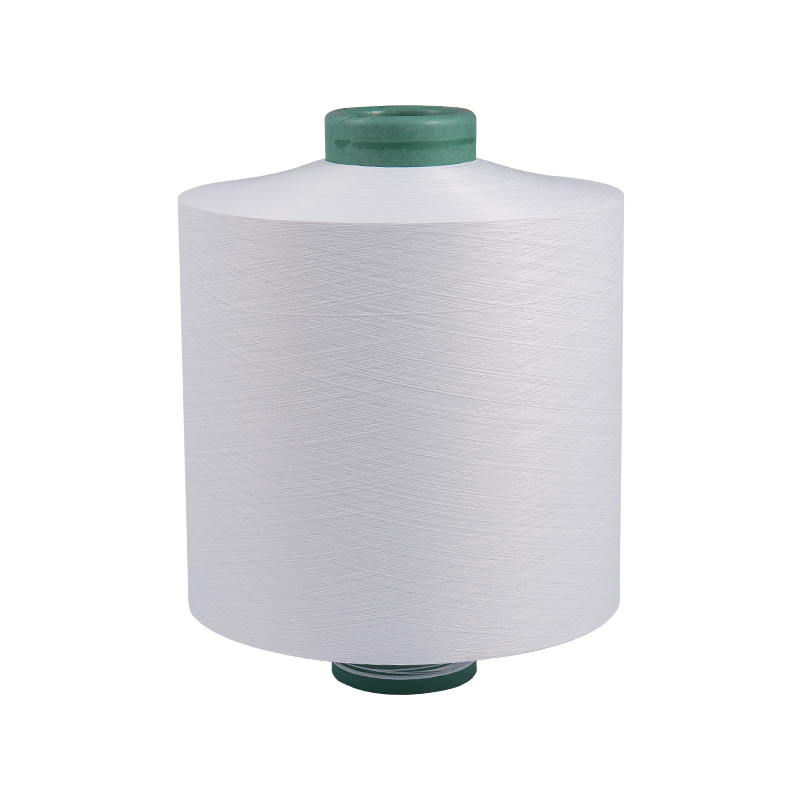
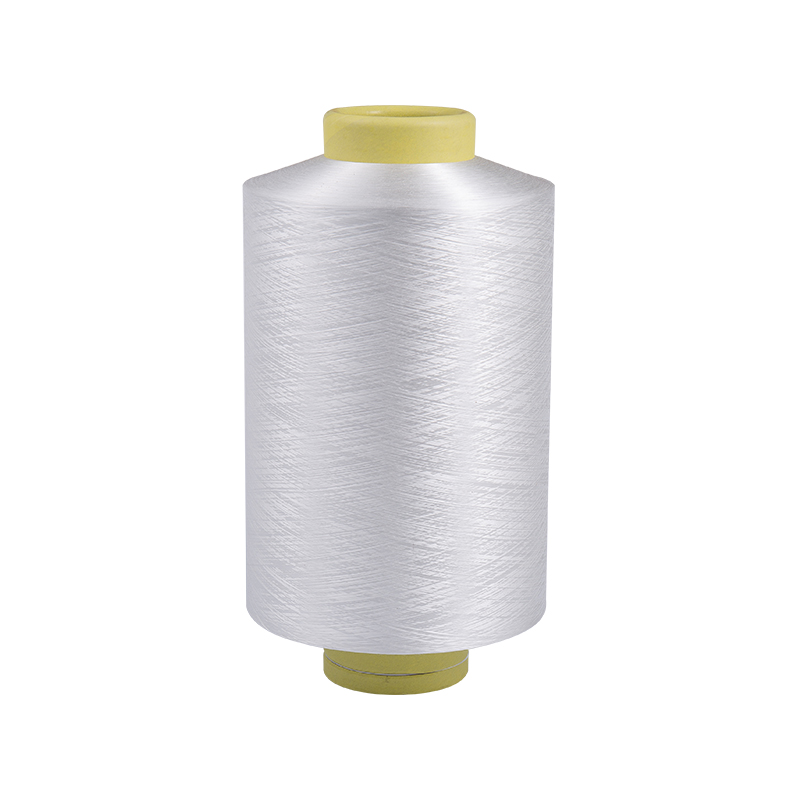
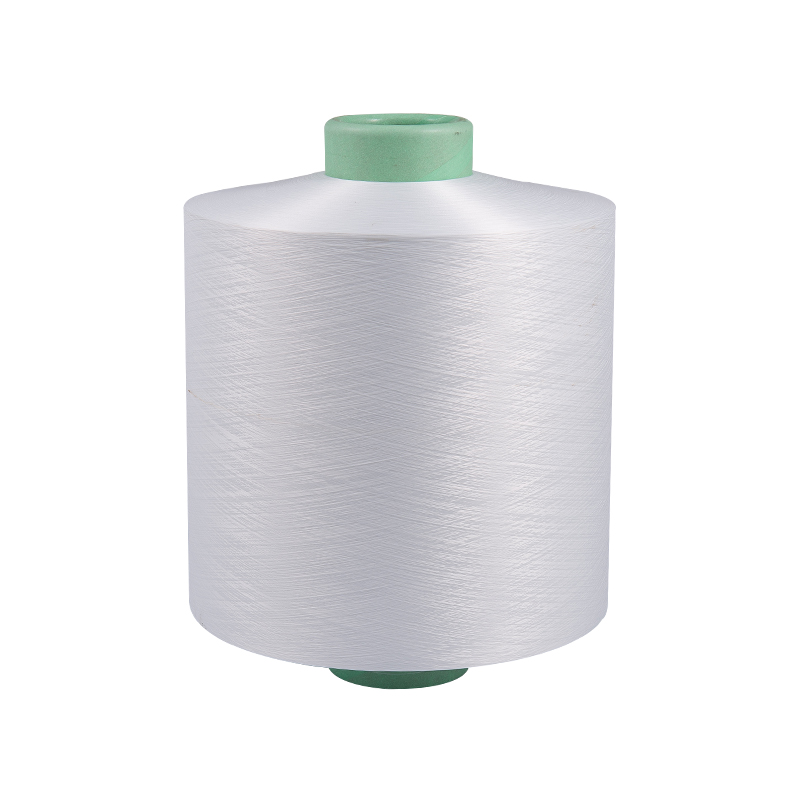
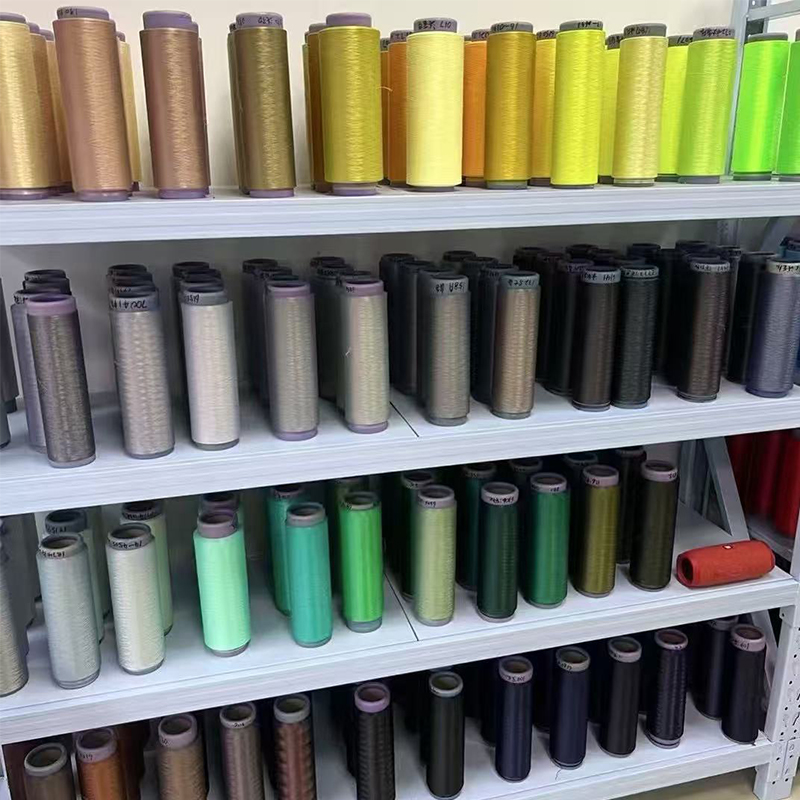
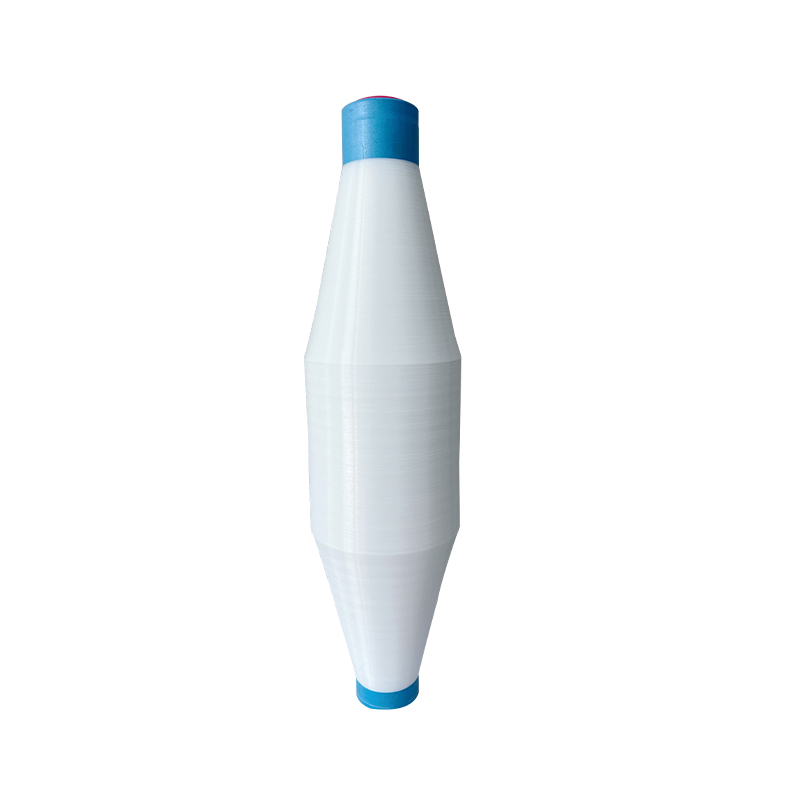
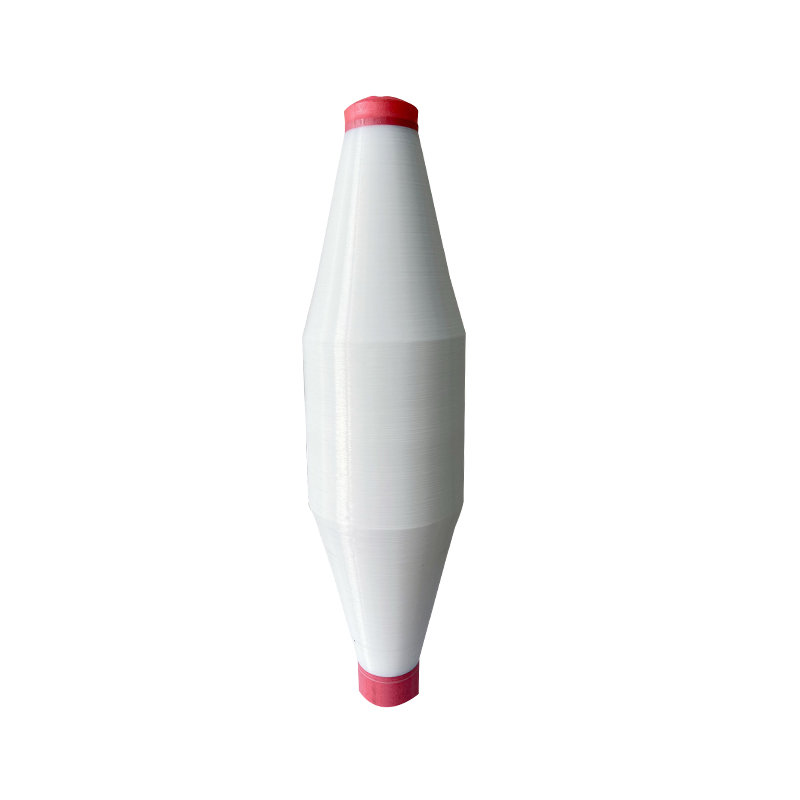
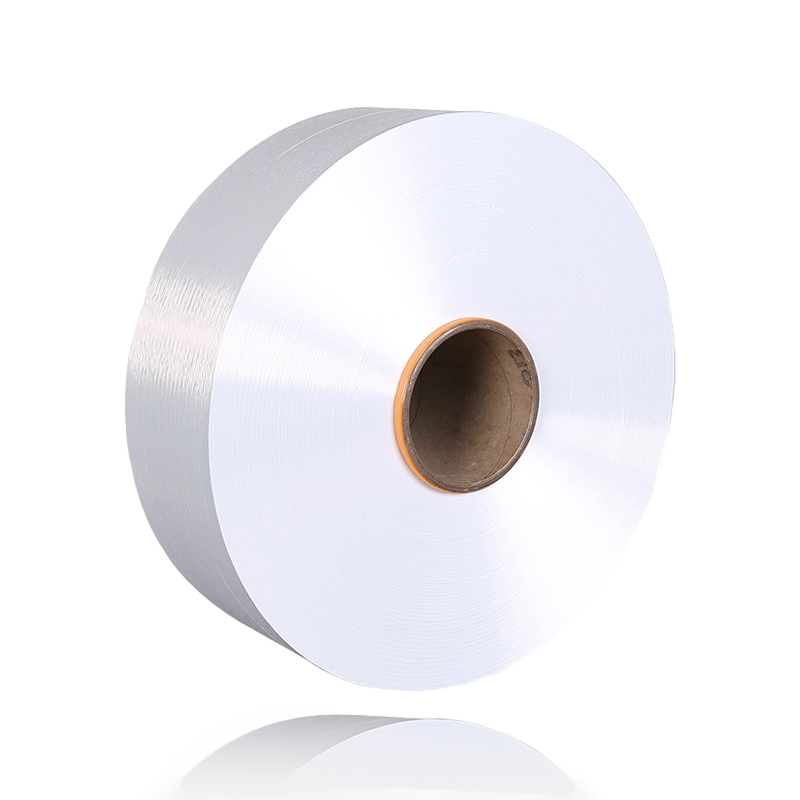
SEMI-GLOSS POLYESTER DTY refers to draw textured yarn produced from polyester partially oriented yarn through a controlled texturing process. The semi-gloss appearance is achieved by adjusting titanium dioxide content during polymer production, creating a moderate luster level between bright and full dull finishes. This balance allows the yarn to maintain visual depth without excessive shine, making it suitable for a wide range of fabric constructions.
The texturing process introduces crimps and bulk into the filament structure, improving elasticity and softness. Compared with fully drawn yarn, DTY provides enhanced stretch and air entrapment, contributing to comfort and thermal insulation performance in knitted and woven textiles.
Production Process and Texturing Technology
Draw Texturing Method
Semi-gloss polyester DTY is manufactured through simultaneous drawing and false-twist texturing. During this process, partially oriented yarn is stretched to align molecular chains while passing through heated discs that create permanent crimps. The temperature, draw ratio, and spindle speed directly influence yarn tenacity, elongation, and uniformity.
Luster Control Through Additives
Titanium dioxide is incorporated into the polyester polymer melt to control light reflection. In semi-gloss grades, the additive concentration is calibrated to diffuse light without eliminating brightness completely. This ensures the yarn maintains a clean surface appearance suitable for sportswear, home textiles, and upholstery fabrics.
Physical and Mechanical Properties
SEMI-GLOSS POLYESTER DTY demonstrates balanced tensile strength and elasticity. The crimped filament structure increases bulk while preserving dimensional stability. Yarn count, filament number, and interlace level are adjusted based on end-use requirements.
| Property | Performance Characteristic |
| Tenacity | Stable strength after drawing and texturing |
| Elongation | Moderate stretch with reliable recovery |
| Bulkiness | Enhanced through false-twist crimp formation |
| Luster Level | Controlled semi-gloss surface reflection |
Fabric Performance and Application Areas
Fabrics made from semi-gloss polyester DTY present a smooth texture with moderate sheen, suitable for garments requiring visual clarity without high reflectivity. The yarn is commonly used in activewear, linings, curtains, sofa fabrics, and warp knitting applications. Its elasticity supports close-fitting apparel, while bulkiness improves drape and hand feel.
In circular knitting, DTY contributes to uniform loop formation and improved cover factor. In woven constructions, it enhances dimensional stability and wrinkle resistance. The semi-gloss finish also reduces glare under strong lighting, supporting interior textile use.
Dyeing Behavior and Color Consistency
Polyester DTY is dyed using disperse dyes under high-temperature conditions. The semi-gloss grade allows consistent dye uptake due to uniform filament distribution. Proper heat setting stabilizes the textured structure and prevents shade variation during finishing processes.
Key considerations during dyeing include temperature control, liquor ratio, and reduction clearing. Maintaining consistent processing parameters ensures color fastness to washing, rubbing, and light exposure.
Quality Control and Selection Criteria
When selecting SEMI-GLOSS POLYESTER DTY, buyers evaluate yarn evenness, oil content, interlace points, and package formation. Consistent filament distribution prevents barre defects in knitted fabrics. Controlled oil application supports smooth knitting performance and reduces friction during high-speed processing.
- Check denier and filament count according to fabric specification
- Confirm semi-gloss luster consistency across production lots
- Evaluate elongation and recovery rate for stretch applications
- Review dye test reports for shade stability
Industrial and Commercial Value
SEMI-GLOSS POLYESTER DTY remains widely used due to its balance of cost efficiency, mechanical performance, and visual adaptability. The yarn supports large-scale textile manufacturing while meeting the performance expectations of apparel and home furnishing sectors. Through precise polymer modification and advanced texturing technology, manufacturers achieve consistent bulk, stretch, and controlled surface luster suitable for diverse fabric developments.



GLOBAL BUSINESS
Backed by stable production capacity and integrated manufacturing and trading capabilities, Zhenyi Chemical Fiber is committed to serving customers in international markets. Our team provides responsive support throughout product selection, order coordination, export documentation and shipment arrangements. We aim to build long-term partnerships through consistent product quality, clear communication and dependable service.
Ready to Begin?
Categories
Contact Information

 +86-18258373586
 No. 318 Huiye Road, Fengming Subdistrict, Tongxiang, Jiaxing, Zhejiang, China.
Copyright © ZHENYI CHEMICAL FIBER All rights reserved.
