

 English


Industry News
Cationic Polyester DTY Properties and Textile Applications
2026-03-11
Content
- 1 Cationic Polyester DTY: A Yarn Designed for Differential Dyeing and Decorative Fabrics
- 2 Production Process of Cationic Polyester DTY
- 3 Key Performance Characteristics of Cationic Polyester DTY
- 4 Comparison Between Standard Polyester DTY and Cationic Polyester DTY
- 5 Common Textile Applications
- 6 Factors to Consider When Selecting Cationic Polyester DTY
Cationic Polyester DTY: A Yarn Designed for Differential Dyeing and Decorative Fabrics
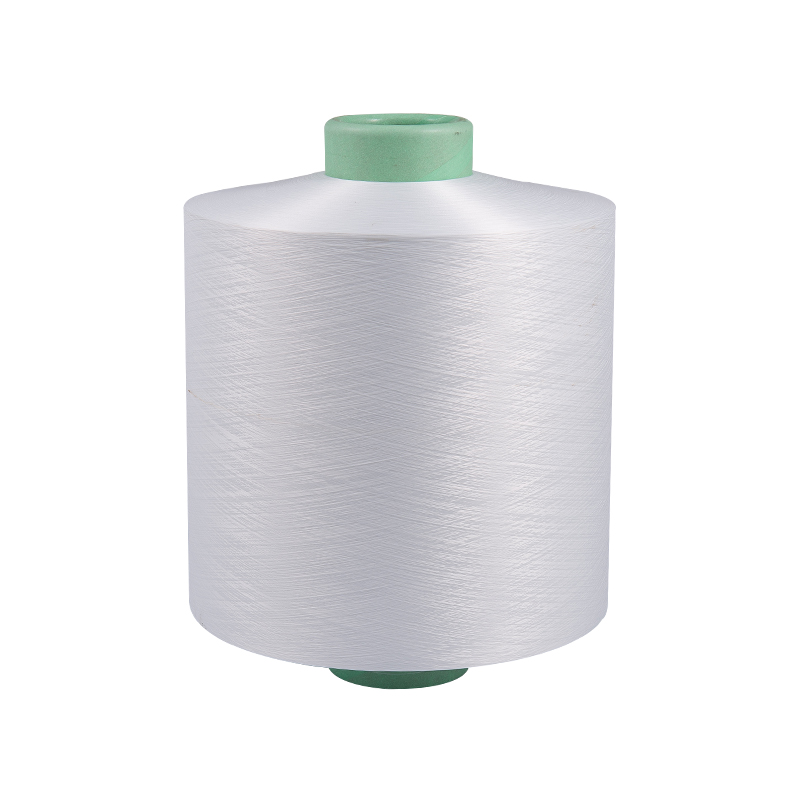
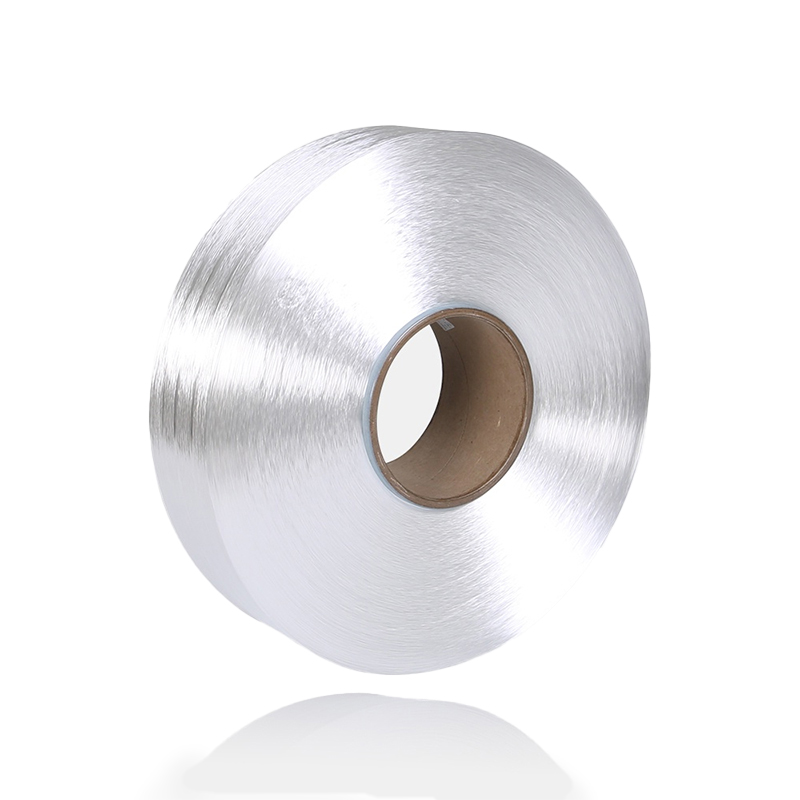
Cationic Polyester DTY is a textured polyester yarn engineered to accept cationic dyes, enabling fabrics to achieve clear two-tone or multi-color effects within a single dyeing process. Compared with standard polyester DTY, the modified polymer structure allows the fiber to bond with cationic dyes at lower temperatures. This property makes Cationic Polyester DTY widely used for fabrics that require differential dyeing, color contrast, and decorative visual effects.
The yarn is produced through draw texturing technology, which creates elasticity, bulk, and softness. Because of its dye affinity and textured structure, it is commonly used in upholstery fabrics, curtain materials, fashion textiles, and knitted fabrics that require durable performance together with unique color patterns.
Production Process of Cationic Polyester DTY
The manufacturing process of Cationic Polyester DTY begins with modified polyester polymer chips that contain dyeable functional groups. These modifications enable the fiber to interact with cationic dyes during the dyeing stage.
Polymer Modification
During polymer production, sulfonate groups are introduced into the polyester molecular chain. These chemical groups provide sites that can bond with positively charged cationic dyes. This modification changes the dyeing behavior of the fiber compared with conventional polyester.
Spinning and Filament Formation
The modified polymer is melted and extruded through spinnerets to produce polyester filaments. These filaments are cooled, stretched, and collected as partially oriented yarn (POY), which serves as the base material for further processing.
Draw Texturing
In the draw texturing stage, the POY is stretched and heat-treated through texturing machines. This process forms crimped filaments that provide elasticity, improved bulk, and enhanced fabric softness. The result is Cationic Polyester DTY with stable yarn structure and consistent dyeing properties.
Key Performance Characteristics of Cationic Polyester DTY
Cationic Polyester DTY offers several functional advantages that make it suitable for textile products requiring both performance and visual differentiation.
- Excellent affinity for cationic dyes
- Ability to create differential dyeing effects
- Soft hand feel due to textured yarn structure
- High tensile strength typical of polyester fibers
- Good wrinkle resistance and dimensional stability
- Durability under repeated washing and use
In many textile applications, fabrics containing Cationic Polyester DTY can achieve two-color effects without requiring separate yarn dyeing processes. This characteristic improves production efficiency while expanding fabric design possibilities.
Comparison Between Standard Polyester DTY and Cationic Polyester DTY
| Property | Standard Polyester DTY | Cationic Polyester DTY |
|---|---|---|
| Dye Type | Disperse dyes | Cationic dyes |
| Dyeing Temperature | Typically 120–130°C | Around 100–110°C |
| Color Effect | Uniform single color | Differential dyeing and color contrast |
| Fabric Design Flexibility | Limited | High design flexibility |
The lower dyeing temperature of cationic polyester yarn reduces energy consumption during fabric processing. In large-scale textile production, even a temperature reduction of 10–20°C can significantly improve operational efficiency.
Common Textile Applications
Cationic Polyester DTY is frequently used in textiles that require distinctive color effects and reliable mechanical performance. The yarn structure and dyeing behavior support a wide range of decorative and functional fabrics.
Home Textile Fabrics
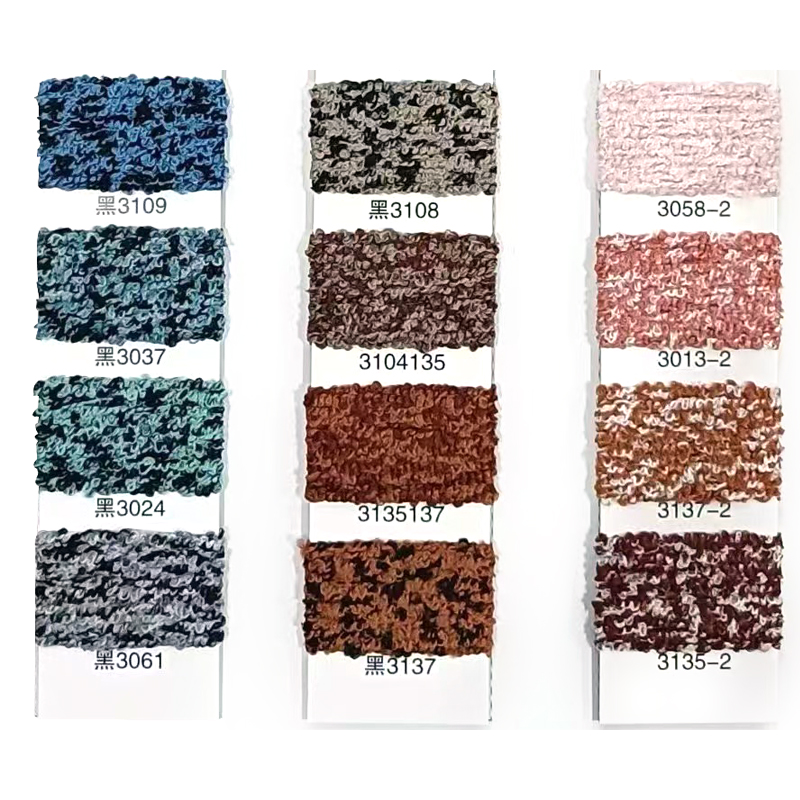
Curtains, sofa fabrics, and upholstery materials often incorporate cationic polyester yarns to produce two-tone or melange color effects. These fabrics maintain durability while delivering decorative visual textures.
Knitted Garments
Sportswear, casual clothing, and lightweight knitwear frequently use cationic polyester DTY because the yarn provides elasticity and soft fabric surfaces.
Decorative Fabric Design
In woven decorative fabrics, designers often combine cationic polyester DTY with regular polyester yarns. During dyeing, the two yarn types absorb different dyes, producing contrasting patterns within the same fabric structure.
Factors to Consider When Selecting Cationic Polyester DTY
Selecting the appropriate cationic polyester yarn requires attention to yarn specifications and fabric design requirements.
- Yarn denier and filament count
- Texturing method and crimp level
- Compatibility with other yarn types
- Dyeing method used in fabric processing
- Fabric structure such as woven or knitted construction
Careful yarn selection ensures that the final textile product achieves the intended color contrast, fabric performance, and structural stability required for commercial production.



GLOBAL BUSINESS
Backed by stable production capacity and integrated manufacturing and trading capabilities, Zhenyi Chemical Fiber is committed to serving customers in international markets. Our team provides responsive support throughout product selection, order coordination, export documentation and shipment arrangements. We aim to build long-term partnerships through consistent product quality, clear communication and dependable service.
Ready to Begin?
Categories
Contact Information

 +86-18258373586
 No. 318 Huiye Road, Fengming Subdistrict, Tongxiang, Jiaxing, Zhejiang, China.
Copyright © ZHENYI CHEMICAL FIBER All rights reserved.
