

 English


Industry News
What Are the Main Uses of Polyester Monofilament?
2026-07-03
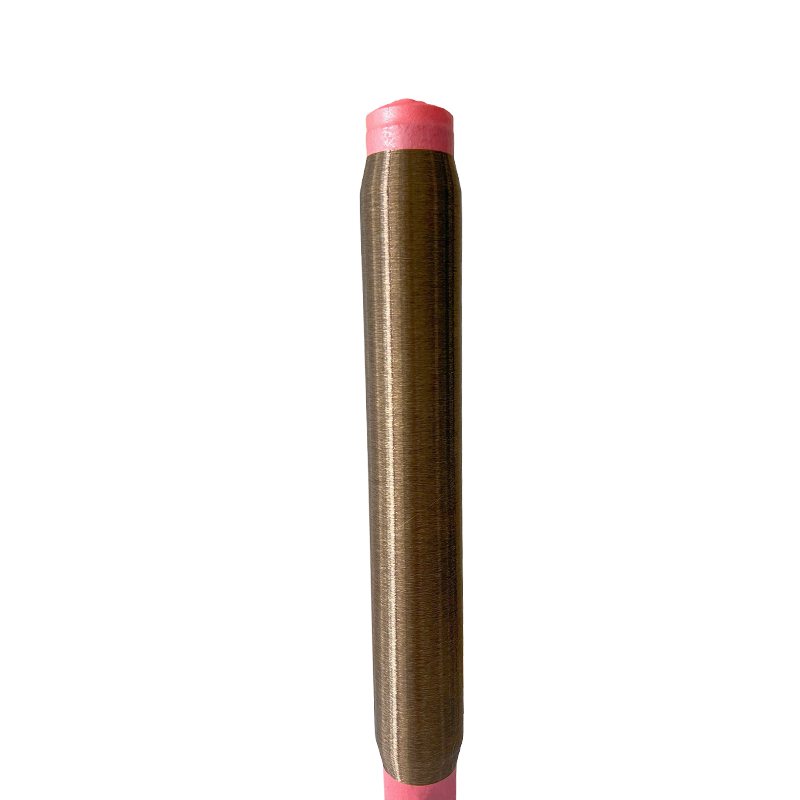
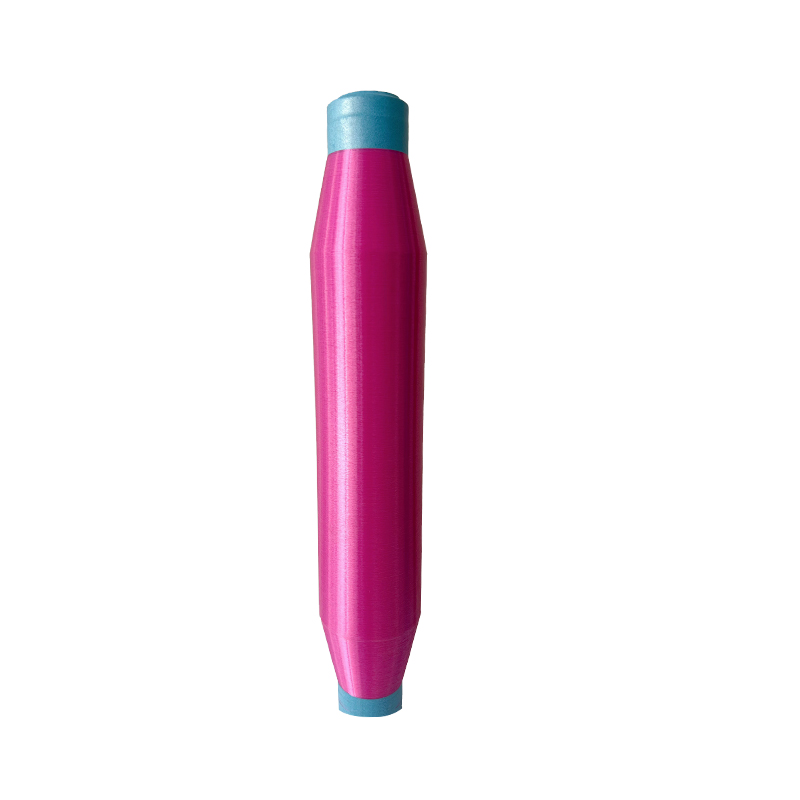
Polyester monofilament is a single, continuous strand of extruded polyester (PET) that is prized for its strength, chemical resistance, dimensional stability, and smooth surface finish. Unlike multifilament yarns, which are made of many thin fibers twisted together, monofilament is produced as one solid thread, giving it a distinct set of mechanical properties. This makes it a preferred material across a surprisingly wide range of industries, from industrial filtration to fishing gear and medical devices. Below is a detailed look at where and why polyester monofilament is used.
Content
- 1 What Makes Polyester Monofilament Suitable for So Many Uses
- 2 Filtration and Mesh Applications
- 3 Fishing Lines and Outdoor Equipment
- 4 Textile and Industrial Fabric Manufacturing
- 5 Agricultural and Horticultural Applications
- 6 Medical and Specialty Uses
- 7 Brushes, Ropes, and Consumer Products
- 8 How to Choose the Right Polyester Monofilament
What Makes Polyester Monofilament Suitable for So Many Uses
Polyester monofilament combines several properties that are hard to find together in one material. It resists stretching under load, holds its shape even when wet, and does not absorb moisture the way natural fibers do. It also withstands exposure to many chemicals, oils, and UV light better than nylon or cotton alternatives. These characteristics explain why manufacturers across filtration, textile, agriculture, and consumer goods sectors continue to choose it over other materials.
- High tensile strength relative to its diameter
- Low moisture absorption, which prevents swelling or rot
- Excellent dimensional stability under heat and tension
- Good resistance to abrasion, chemicals, and UV degradation
- Smooth, consistent surface that reduces friction and clogging
Filtration and Mesh Applications
One of the largest uses of polyester monofilament is in woven mesh fabrics used for filtration. Because the filament is a single solid strand, it does not fray or shed fibers, which is critical in applications where particle contamination must be minimized. Monofilament mesh is woven into precise, uniform openings that control exactly which particle sizes pass through and which are captured.
Industrial and Liquid Filtration
In industries such as mining, wastewater treatment, food and beverage processing, and chemical manufacturing, polyester monofilament mesh is used in filter belts, filter bags, and press cloths. Its resistance to chemical attack and its ability to be cleaned and reused repeatedly make it more cost-effective than disposable filter media in many continuous production settings.
Screen Printing Mesh
Polyester monofilament is also the standard material for screen printing mesh used in textile, ceramic, and graphic printing. The uniform thread diameter and consistent weave allow for sharp, repeatable print definition, which is why it has largely replaced silk and nylon in commercial screen printing operations.
Fishing Lines and Outdoor Equipment
Polyester monofilament fishing line is valued for its low stretch compared to nylon lines, which gives anglers better sensitivity and hook-setting response. It also has good abrasion resistance and holds up well in saltwater environments where chemical resistance matters. Beyond fishing lines, monofilament is used in the construction of nets, leaders, and other outdoor gear where strength combined with a thin profile is required.
Textile and Industrial Fabric Manufacturing
In woven and knitted fabric production, polyester monofilament is used both as a structural component and as a functional element. It is common in stiffened fabrics, interlinings, and technical textiles that need to hold a defined shape. It is also used in conveyor belting, industrial webbing, and reinforced tapes where a smooth, strong core thread improves durability.
| Application | Typical Diameter Range | Key Benefit |
| Filtration mesh | 0.05mm–0.5mm | Precise pore control |
| Screen printing mesh | 0.03mm–0.15mm | Sharp print definition |
| Fishing lines | 0.15mm–0.6mm | Low stretch, sensitivity |
| Brushes | 0.1mm–1.0mm | Stiffness and durability |
| Geotextiles | 0.2mm–1.2mm | Soil stabilization strength |
Agricultural and Horticultural Applications
Farmers and greenhouse operators use polyester monofilament in shade nets, bird netting, trellis netting, and support lines for climbing plants. Its resistance to sunlight, moisture, and temperature swings allows these products to remain outdoors for multiple growing seasons without significant degradation. The material's strength also means thinner threads can be used, reducing shading effects on crops while still providing structural support.
Medical and Specialty Uses
Polyester monofilament also appears in specialty and medical-adjacent products. In surgical settings, monofilament sutures made from polyester or similar polymers are chosen because a smooth single strand reduces the risk of harboring bacteria compared to braided threads. In laboratory and industrial testing equipment, monofilament is used in sieves and precision mesh where consistent, contamination-free filtration is essential.
Brushes, Ropes, and Consumer Products
Thicker gauges of polyester monofilament are extruded specifically for use in industrial and household brushes, including street sweeper brushes, cleaning brushes, and paint brush bristles. The stiffness and recovery of monofilament allow bristles to maintain their shape after repeated use. It is also used in braided ropes, cords, and string trimmer lines, where its combination of strength and resistance to fraying extends product life.
How to Choose the Right Polyester Monofilament
Selecting the correct monofilament specification depends on the intended application, and getting it wrong can lead to premature failure or poor performance. The following factors should guide the selection process.
- Diameter: thinner filaments suit fine mesh and printing, thicker filaments suit brushes and ropes
- Tensile strength requirements based on load-bearing use
- Environmental exposure, including UV, chemicals, and moisture
- Flexibility versus stiffness needed for the finished product
- Color and surface treatment requirements for the end application
Polyester monofilament's versatility comes from a straightforward combination of strength, stability, and resistance to environmental wear. Whether it is woven into a filtration screen, cast as a fishing line, or extruded into a brush bristle, the same core properties make it a dependable choice across industrial, agricultural, medical, and consumer applications. Understanding the specific diameter and performance requirements of a given use case is the key step in selecting the right monofilament for the job.

GLOBAL BUSINESS
Backed by stable production capacity and integrated manufacturing and trading capabilities, Zhenyi Chemical Fiber is committed to serving customers in international markets. Our team provides responsive support throughout product selection, order coordination, export documentation and shipment arrangements. We aim to build long-term partnerships through consistent product quality, clear communication and dependable service.
Ready to Begin?
Categories
Contact Information

 +86-18258373586
 No. 318 Huiye Road, Fengming Subdistrict, Tongxiang, Jiaxing, Zhejiang, China.
Copyright © ZHENYI CHEMICAL FIBER All rights reserved.
