

 English
 Home / News / Industry News / How Do You Select and Distinguish Between Semi-Gloss, Glossy, Fully Matte, Cationic, and Colored Polyester DTY?
Industry News
How Do You Select and Distinguish Between Semi-Gloss, Glossy, Fully Matte, Cationic, and Colored Polyester DTY?
2026-06-24
Content
- 1 What Is Polyester DTY and Why Does the Type Matter?
- 2 Semi-Gloss Polyester DTY: The Industry Standard
- 3 Glossy (Bright) Polyester DTY: Maximum Luster for High-Shine Applications
- 4 Fully Matte Polyester DTY: Understated Elegance and Functional Opacity
- 5 Cationic Polyester DTY: Engineered for Differential Dyeing Effects
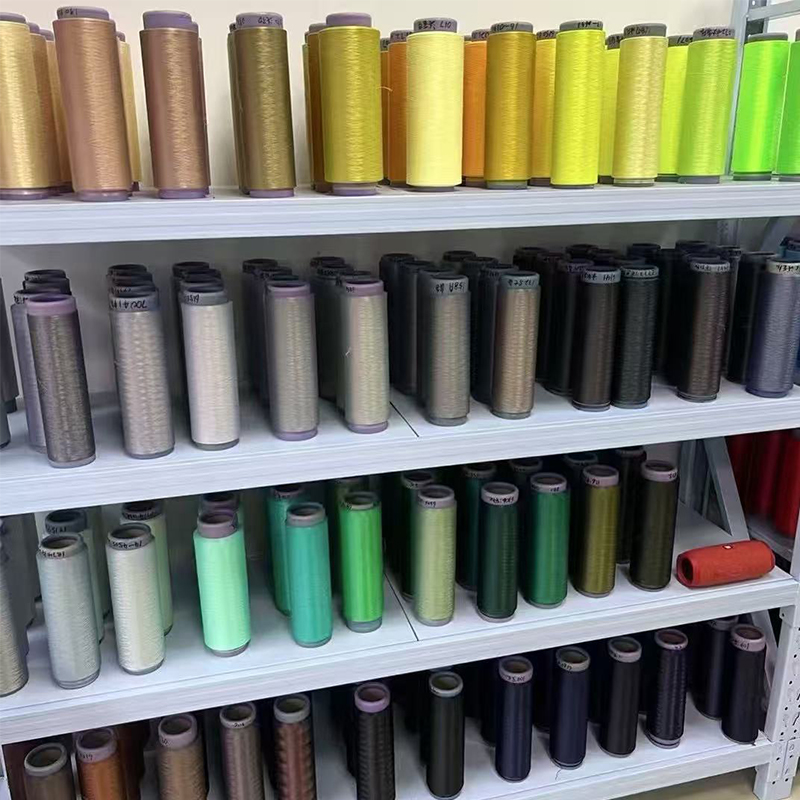
- 6 Colored Polyester DTY: Pre-Dyed Yarn for Consistent, Dye-Free Production
- 7 Side-by-Side Comparison: Choosing the Right DTY Type for Your Application
- 8 Practical Decision Framework: Which DTY Should You Specify?
What Is Polyester DTY and Why Does the Type Matter?
Polyester Draw Textured Yarn (DTY) is produced by simultaneously drawing and texturizing Partially Oriented Yarn (POY) through a high-speed texturizing machine. The process imparts a helical crimp to the filaments, giving the yarn stretch, bulk, and a softer hand feel compared to flat polyester yarn. DTY is one of the most widely consumed yarn categories in global textile manufacturing, used across apparel, home textiles, sportswear, upholstery, and technical fabrics.
However, not all polyester DTY is the same. The optical finish, dye affinity, and colorant system embedded during production fundamentally change how a yarn behaves in downstream processing and what the finished fabric looks and feels like. Choosing the wrong DTY type leads to dyeing failures, mismatched fabric aesthetics, incompatible blending, or excessive processing costs. Understanding the five main commercial variants — semi-gloss, glossy, fully matte, cationic, and colored — is therefore a practical necessity for fabric developers, garment manufacturers, and yarn traders alike.
Semi-Gloss Polyester DTY: The Industry Standard
Semi-gloss polyester DTY, sometimes called semi-dull DTY, is the most commonly produced and traded variant globally. It is manufactured using POY that contains a small, controlled quantity of titanium dioxide (TiO₂) — typically around 0.3–0.5% by weight — dispersed uniformly throughout the polymer matrix. This TiO₂ content diffuses light partially, reducing the harsh mirror-like shine of fully bright polyester while retaining a degree of luminosity that keeps fabrics looking vibrant after dyeing.
The result is a balanced aesthetic that suits a very wide range of end uses. Semi-gloss DTY dyes well with standard disperse dyes under conventional high-temperature (130°C) jet dyeing conditions and achieves consistent, reproducible color depths across different fabric constructions. It is the default choice when no specific optical requirement is stated, and it blends compatibly with most other semi-dull polyester components in woven or knitted structures. Typical applications include:
- Casual and fashion apparel linings and outer shells
- Sportswear and activewear base layers
- Home textile fabrics including curtains, sofa covers, and bedding
- General-purpose woven and circular knit fabrics for export markets
Glossy (Bright) Polyester DTY: Maximum Luster for High-Shine Applications
Glossy polyester DTY — also called bright or full-bright DTY — is produced from POY containing zero or near-zero TiO₂ content. With no light-scattering particles in the polymer, the filaments reflect light specularly, creating a high-luster, silky appearance that closely mimics the sheen of natural silk or rayon. This optical property is the defining reason to choose glossy DTY: when the end product must visually convey luxury, brilliance, or premium finish, no other polyester DTY variant competes.
Glossy DTY accepts disperse dyes with excellent color brightness and depth, often producing more vivid, saturated shades than semi-gloss variants under identical dyeing conditions. However, the high reflectivity also makes surface defects — uneven tension, broken filaments, oil contamination — far more visible in finished fabric. Quality control requirements are therefore stricter throughout spinning, texturizing, warping, and weaving or knitting. Glossy DTY is predominantly used in:
- Eveningwear, bridal fabric, and luxury dress materials
- Satin-weave and jacquard fabrics requiring high reflectivity
- Decorative ribbon, trim, and embroidery threads
- Lingerie and intimate apparel where silk-like drape is required
Fully Matte Polyester DTY: Understated Elegance and Functional Opacity
Fully matte polyester DTY sits at the opposite end of the luster spectrum from glossy DTY. It is produced from POY with a significantly elevated TiO₂ content — typically 2.0–2.5% or higher — which scatters virtually all incident light and eliminates surface shine entirely. The resulting yarn has a chalky, opaque appearance in raw form that transforms into a sophisticated, non-reflective fabric surface after dyeing and finishing.
This flat, matte finish serves both aesthetic and functional purposes. Aesthetically, it meets the growing demand in fashion for understated, minimal, and tone-on-tone fabric surfaces. Functionally, the high TiO₂ loading increases fabric opacity, which is valued in certain apparel categories where sheerness is undesirable. One critical technical consideration: the higher TiO₂ content slightly reduces dye uptake efficiency compared to semi-gloss, meaning dyeing recipes need adjustment to achieve equivalent color depth. Fabric developers should work with their dye house to validate recipes specifically for fully matte substrates. Primary uses include:
- Premium fashion outerwear and tailored garments
- Swimwear and sportswear where non-reflective surfaces are preferred
- High-end home textiles — duvet covers, pillowcases, and hotel bedding
- Technical fabrics requiring controlled opacity
Cationic Polyester DTY: Engineered for Differential Dyeing Effects
Cationic polyester DTY — also referred to as CDP (Cationic Dyeable Polyester) DTY — is chemically distinct from all other DTY variants. Standard polyester is dyed exclusively with disperse dyes. Cationic polyester is produced by modifying the PET polymer chain during polymerization, incorporating sulfonate groups (typically sodium sulfonate isophthalate, or SIPM) into the molecular structure. These anionic sites along the polymer backbone attract and bond with cationic (basic) dyes under normal atmospheric pressure dyeing conditions at temperatures as low as 100°C — no pressure vessel required.
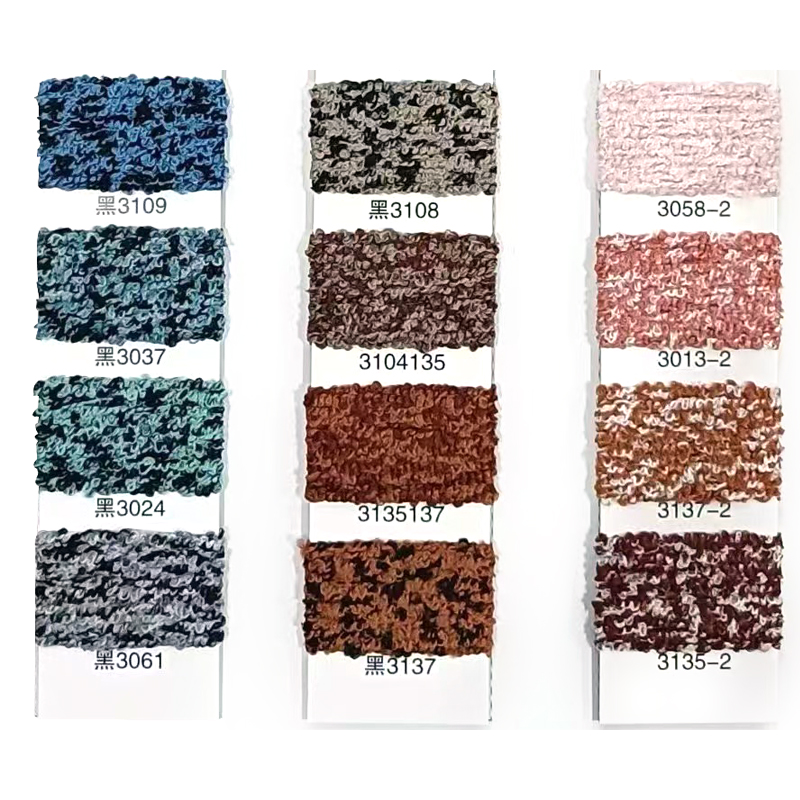
The most powerful application of cationic DTY is in bi-color or multi-tone fabric effects. When cationic DTY is blended or interwoven with standard disperse-dye polyester DTY, the two components can be dyed simultaneously in a single bath using both cationic and disperse dyes, producing two completely different colors on the same fabric in one dyeing step. This bi-color capability is the primary reason designers and fabric mills specify cationic DTY. Additional technical properties include:
- Atmospheric pressure dyeability: Reduces energy consumption and allows dyeing in open equipment, lowering operational costs.
- Deeper color with cationic dyes: Achieves very rich, saturated shades — particularly in navy, black, and deep jewel tones — that can be difficult to match on standard polyester.
- Slightly lower tenacity: The molecular modification reduces tensile strength marginally compared to standard PET; this should be evaluated against mechanical performance requirements.
- Incompatibility with standard polyester dyeing cycles: Cationic polyester should not be mixed indiscriminately with standard polyester in applications where uniform single-color dyeing is required, as it will dye to a different shade.
Cationic DTY is widely used in fashion fabrics with heather or melange effects, warp-knit tricot and velvet, and any application where a two-tone or space-dyed appearance is a design goal.
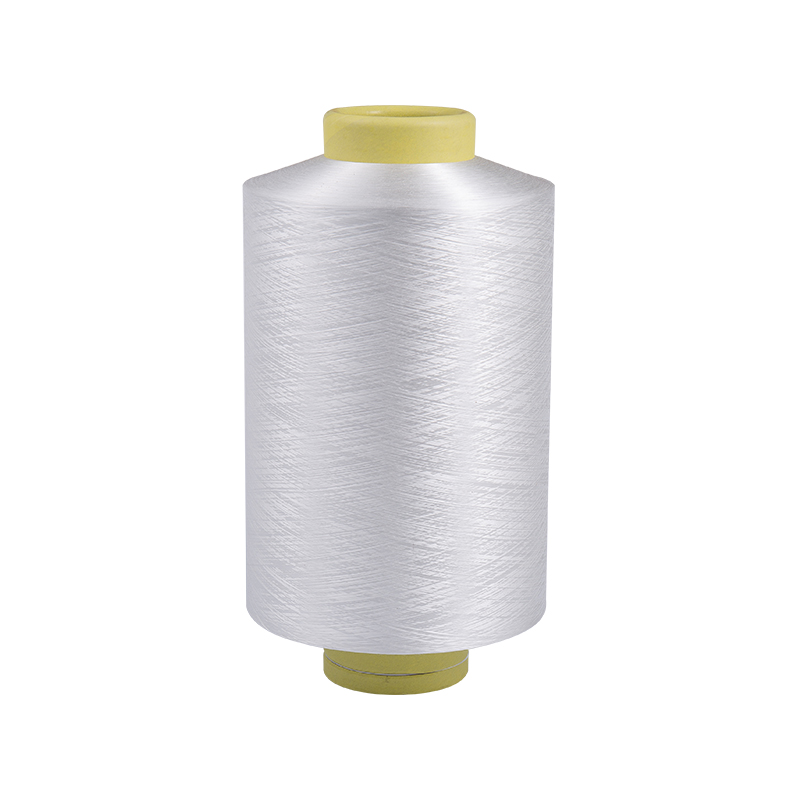
Colored Polyester DTY: Pre-Dyed Yarn for Consistent, Dye-Free Production
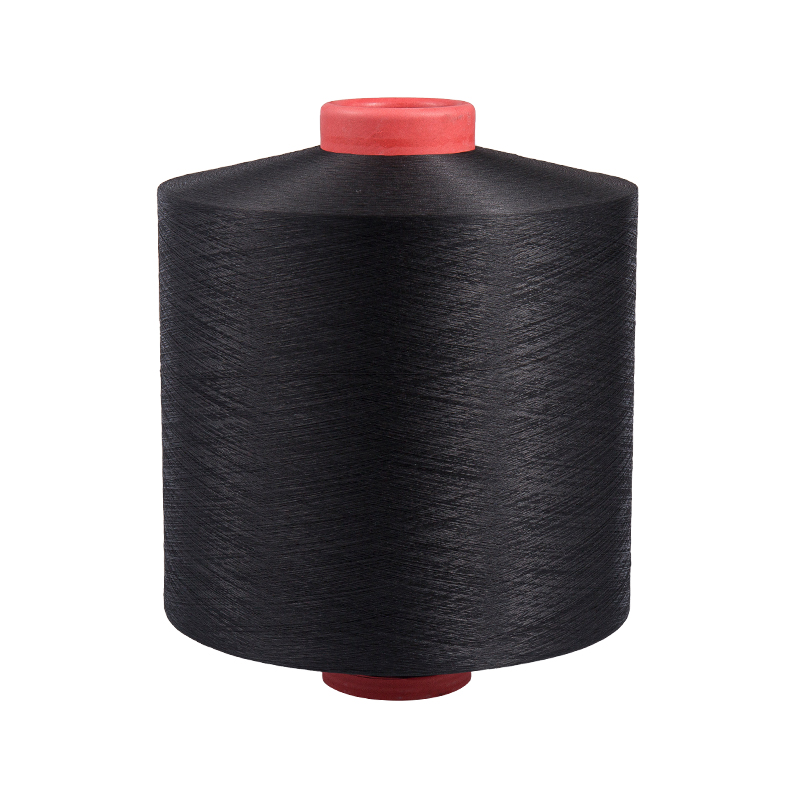
Colored polyester DTY — also called dope-dyed, solution-dyed, or pigment-dyed DTY — is produced by injecting organic pigments or carbon black directly into the polymer melt before extrusion. The colorant becomes an integral part of the filament structure rather than being absorbed onto the fiber surface in a subsequent dyeing step. This fundamental difference in colorant location gives dope-dyed DTY a unique combination of performance properties that no post-dyeing process can replicate.
The most critical advantage is exceptional colorfastness. Because the pigment is encapsulated within the polymer matrix, it cannot migrate, wash out, or degrade under UV exposure the way surface-applied disperse dyes can. Lightfastness ratings of 7–8 on the blue wool scale (ISO 105-B02) are routinely achieved by quality dope-dyed DTY producers, compared to ratings of 4–6 for conventionally dyed polyester in similar shades. This makes colored DTY the material of choice for outdoor applications, automotive textiles, marine upholstery, and any end use with extended sun exposure. Additional advantages include:
- Eliminated dyeing wastewater: No dye bath means zero dye effluent, a major sustainability and regulatory compliance benefit in regions with strict textile wastewater discharge standards.
- Reduced water and energy consumption: The fabric mill skips the dyeing and many finishing steps entirely, significantly reducing production cost per meter for high-volume runs.
- Consistent batch-to-batch color: Pigment dosing is computer-controlled at the spinning plant, delivering tighter color tolerances than achievable in dye house production.
- Limited color range and minimum order quantities: Custom colors require dedicated pigment masterbatch preparation and minimum production runs, making dope-dyed DTY less flexible for small orders or frequent color changes.
Side-by-Side Comparison: Choosing the Right DTY Type for Your Application
The following table summarizes the key distinguishing characteristics of each DTY type to support procurement and product development decisions:
| DTY Type | TiO₂ Level | Luster | Dye System | Key Strength | Typical End Use |
| Semi-Gloss | 0.3–0.5% | Medium | Disperse | Versatility, standard processing | Apparel, home textiles |
| Glossy (Bright) | ~0% | High | Disperse | Silk-like brilliance | Eveningwear, satin, lingerie |
| Fully Matte | 2.0–2.5%+ | None | Disperse | Opacity, premium non-reflective finish | Fashion outerwear, premium bedding |
| Cationic | Variable | Variable | Cationic / Basic | Bi-color effects, low-temp dyeing | Two-tone fabrics, velvet, heather knits |
| Colored (Dope-Dyed) | Variable | Variable | Pigment in melt | Colorfastness, sustainability, no dyeing | Outdoor, automotive, marine, sustainable fashion |
Practical Decision Framework: Which DTY Should You Specify?
When approaching a new fabric development or sourcing decision, working through a short sequence of questions will narrow the field quickly and help avoid costly specification errors.
Does the fabric require a specific surface luster?
If a high-shine or silk-like appearance is required, specify glossy DTY. If the design calls for a modern, flat, non-reflective surface, fully matte DTY is the clear choice. For most standard commercial fabrics where luster is not a primary differentiator, semi-gloss DTY is the safest and most cost-effective default.
Is a two-tone or differential color effect part of the design?
If yes, cationic DTY blended with standard polyester DTY is the technically correct and most commercially proven solution. Ensure the blend ratio and yarn placement (warp vs. weft, or feed yarn vs. effect yarn in knitting) are designed deliberately to achieve the intended color contrast in the finished fabric.
Is the end use outdoors, automotive, or subject to prolonged UV exposure?
Specify colored (dope-dyed) DTY. No conventionally dyed polyester — regardless of how carefully the dyeing recipe is optimized — will match the UV stability of pigment-in-polymer coloration for long-service-life applications. Also consider dope-dyed DTY if your brand has sustainability commitments around waterless or low-effluent dyeing, as it delivers measurable environmental metrics that are increasingly required by international retail buyers and certification bodies.


GLOBAL BUSINESS
Backed by stable production capacity and integrated manufacturing and trading capabilities, Zhenyi Chemical Fiber is committed to serving customers in international markets. Our team provides responsive support throughout product selection, order coordination, export documentation and shipment arrangements. We aim to build long-term partnerships through consistent product quality, clear communication and dependable service.
Ready to Begin?
Categories
Contact Information

 +86-18258373586
 No. 318 Huiye Road, Fengming Subdistrict, Tongxiang, Jiaxing, Zhejiang, China.
Copyright © ZHENYI CHEMICAL FIBER All rights reserved.
