

 English
 Home / News / Industry News / What Should You Look for When Choosing a Semi-Bright Polyester Monofilament Factory?
Industry News
What Should You Look for When Choosing a Semi-Bright Polyester Monofilament Factory?
2026-06-16
Content
- 1 Understanding Semi-Bright Polyester Monofilament Before You Source
- 2 Where to Start Your Factory Search
- 3 Key Technical Criteria for Evaluating Factory Capability
- 4 Quality Management Systems and Certifications to Require
- 5 How to Conduct an Effective Factory Audit
- 6 Evaluating Commercial Terms and Supply Chain Reliability
- 7 Building a Long-Term Partnership Rather Than a Transactional Relationship
- 8 Conclusion
Understanding Semi-Bright Polyester Monofilament Before You Source
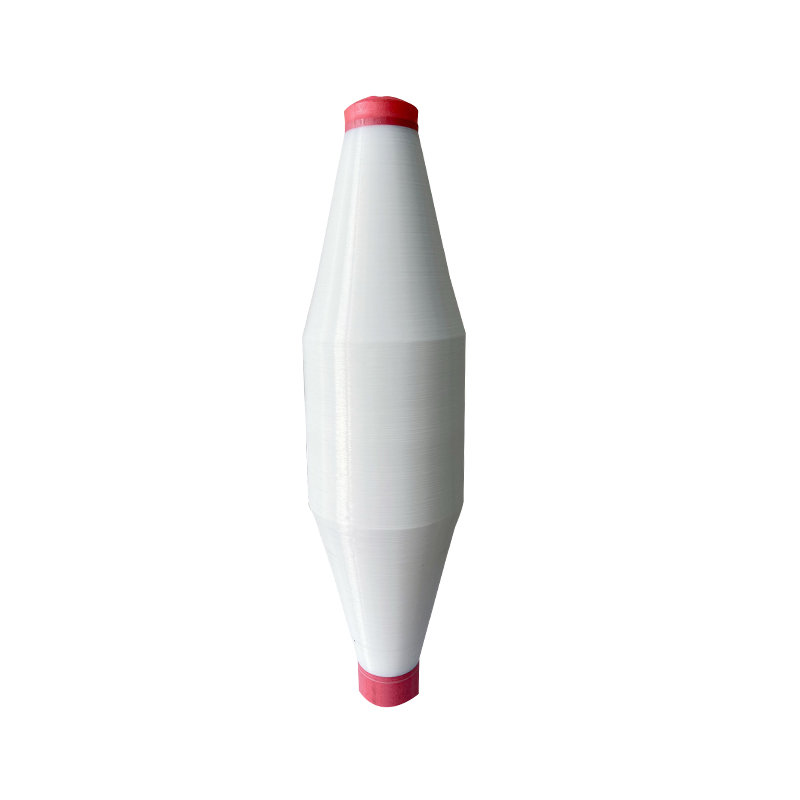
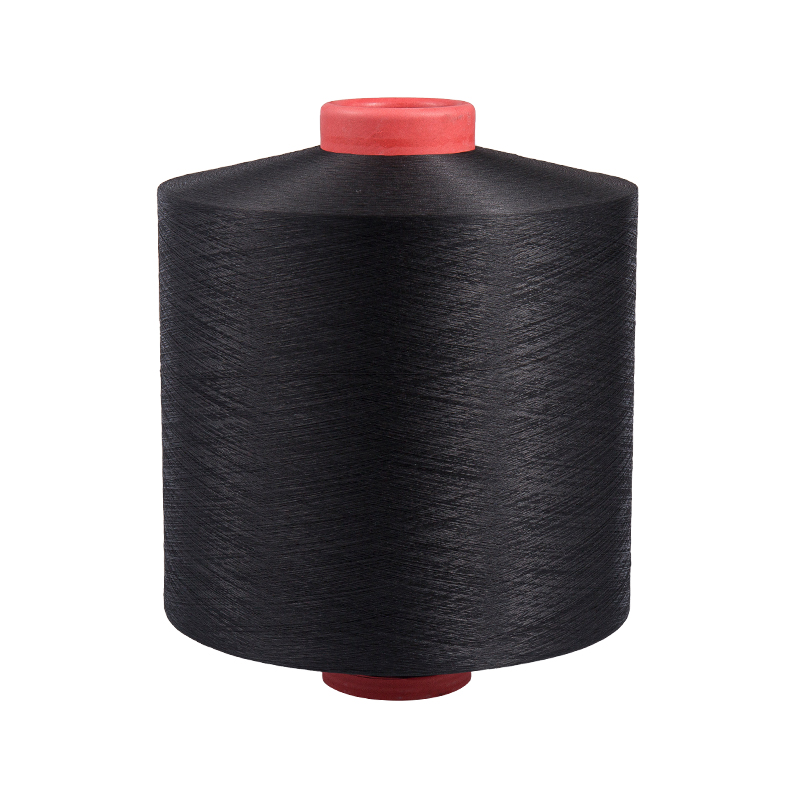
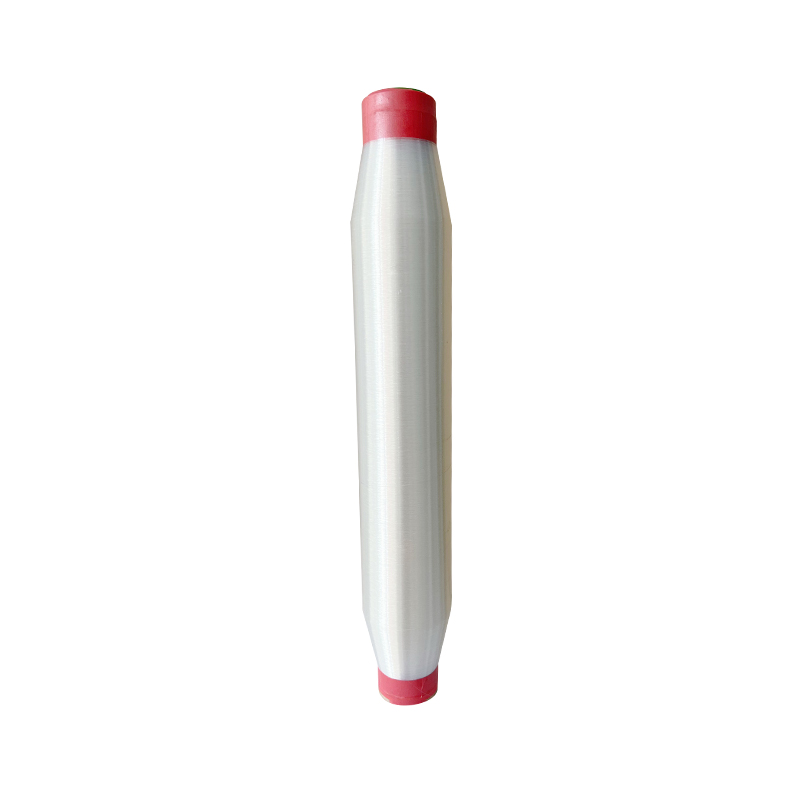
Before beginning the search for the right manufacturing partner, it is essential to clearly understand what semi-bright polyester monofilament is and what distinguishes it from related products. Polyester monofilament is a single, continuous filament of polyester extruded to a precise diameter, used across industries including textiles, filtration, screen printing, papermaking, industrial weaving, and fishing line production. The "semi-bright" designation refers to a specific level of optical brightness achieved during the polymerization and spinning process — sitting between fully bright (high-luster, optically clear) and fully dull (matte, titanium dioxide-loaded) variants. Semi-bright monofilament contains a reduced amount of titanium dioxide (TiO₂) delustrant, typically in the range of 0.1% to 0.3%, giving it a soft sheen that is preferred in applications requiring moderate light diffusion without the complete reflectivity of a bright filament.
This distinction matters enormously when evaluating factories. A manufacturer specializing in bright or fully dull monofilament may not have the process controls, raw material sourcing relationships, or spinning equipment calibrated for the precise TiO₂ loading and refractive index characteristics required in semi-bright grades. Buyers who fail to verify this upfront often receive inconsistent product lots, visible luster variation between production batches, or filaments with mechanical properties that do not meet specification. Understanding the product category in detail puts you in a much stronger position to ask the right qualification questions from the very first interaction with a potential factory.
Where to Start Your Factory Search
The search for a qualified semi-bright polyester monofilament factory should be conducted through multiple parallel channels simultaneously to build a broad initial list of candidates that can then be systematically narrowed through qualification. Relying on a single sourcing channel dramatically increases the risk of missing better-qualified suppliers or being funneled toward trading companies rather than actual manufacturers.
B2B Trade Platforms
Platforms such as Alibaba, Made-in-China, and Global Sources are useful starting points for generating an initial list of candidates. When using these platforms, filter specifically for "verified manufacturer" or "assessed supplier" status and look for listings that include detailed product specification sheets, machine equipment photos, and factory audit reports rather than generic product images. Search using terms including "polyester monofilament," "PET monofilament," and "semi-dull monofilament" in addition to "semi-bright" as terminology varies between suppliers. Be aware that a significant proportion of listings on these platforms represent trading companies rather than factories; requesting a factory registration certificate and asking for a video tour of the spinning production line is a reliable method of confirming manufacturer status early in the process.
Industry Trade Shows and Exhibitions
Major international textile and industrial fiber trade shows — including China International Textile Machinery Exhibition (CITME), ITMA, and Heimtextil — bring together polyester monofilament manufacturers from across Asia, Europe, and beyond. Meeting factory representatives in person at trade shows allows you to assess their technical knowledge, evaluate physical product samples on the spot, and build the personal relationships that underpin reliable long-term supplier partnerships. Manufacturers who invest in international trade show participation typically demonstrate a higher level of commitment to export market development and are more accustomed to meeting international quality standards and documentation requirements.
Industry Associations and Referrals
Reaching out to industry associations such as the China Chemical Fibers Association (CCFA) or national textile industry federations in Taiwan, India, and South Korea — all significant polyester monofilament producing countries — can yield referrals to factories with established production credentials. Additionally, asking within your professional network — particularly buyers, procurement managers, or engineers in adjacent industries such as filtration, papermaking, or technical textiles — often surfaces factory recommendations based on real production experience that no trade platform listing can replicate.
Key Technical Criteria for Evaluating Factory Capability
Once you have assembled an initial list of candidate factories, the qualification process shifts to evaluating their actual production capability against your specific semi-bright polyester monofilament requirements. This technical evaluation should be structured and consistent across all candidates to enable meaningful comparison.
| Evaluation Criterion | What to Verify | Why It Matters |
| Diameter Range Capability | Confirm the factory can produce your required diameter (e.g., 0.05mm–2.0mm) with tolerance ±2% or tighter | Diameter consistency directly impacts downstream processing performance |
| Tensile Strength Specification | Request test data showing tenacity (cN/dtex) and elongation at break for semi-bright grade | Mechanical properties must match end-use application loading requirements |
| TiO₂ Loading Control | Ask how TiO₂ content is measured and controlled during production (inline or batch testing) | Consistent luster level between production lots requires precise delustrant control |
| Raw Material Sourcing | Identify PET chip supplier; confirm virgin vs. recycled material policy for your grade | Raw material quality variation is the leading cause of batch-to-batch inconsistency |
| Spinning Line Configuration | Verify number of extruders, spinneret specifications, and drawing line setup | Equipment configuration determines the diameter range and throughput the factory can reliably produce |
| Winding and Packaging | Confirm winding tension control, bobbin/cone weight options, and moisture barrier packaging | Poor winding causes filament breakage in downstream unwinding; inadequate packaging allows moisture absorption |
Quality Management Systems and Certifications to Require
A factory's quality management infrastructure is a reliable proxy for the consistency and reliability of its output. Factories without formal quality systems may produce acceptable product on a good day but lack the process controls and corrective action frameworks needed to maintain specification compliance over months and years of supply. When evaluating semi-bright polyester monofilament factories, the following certifications and quality system elements should be treated as baseline requirements rather than optional bonuses.
- ISO 9001 Certification: This internationally recognized quality management system standard confirms that the factory has documented procedures for production control, incoming material inspection, non-conformance management, and customer complaint handling. Request the current ISO 9001 certificate and verify its validity with the issuing certification body.
- In-Process Quality Testing Equipment: A credible manufacturer should operate an in-house laboratory equipped with devices for measuring filament diameter (laser micrometer or optical measurement), tensile strength (universal testing machine), moisture content (Karl Fischer or oven method), and luster (gloss meter or spectrophotometer). Ask for a laboratory equipment list and calibration records.
- Certificate of Analysis (COA) Provision: Every production lot should be accompanied by a COA documenting measured values for all agreed-upon specifications including diameter, tenacity, elongation, luster, and any application-specific parameters such as thermal shrinkage or surface finish. Factories that cannot or will not provide lot-specific COAs are not suitable for supply chains requiring traceability.
- OEKO-TEX or REACH Compliance: For textile, apparel, or food-contact adjacent applications, certification to OEKO-TEX Standard 100 or documented REACH compliance confirms that the monofilament is free from restricted harmful substances. This is increasingly a non-negotiable requirement from end-brand customers in European and North American markets.
- GRS Certification (for Recycled Grades): If your application permits or requires recycled PET content, the Global Recycled Standard (GRS) certification from the factory ensures that recycled content claims are independently verified and traceable through the supply chain.
How to Conduct an Effective Factory Audit
For any factory you are seriously considering as a long-term supplier of semi-bright polyester monofilament, an on-site factory audit — or a verified third-party audit in situations where travel is not feasible — is an indispensable step before committing to a supply relationship. A well-structured audit evaluates far more than what any questionnaire or document review can reveal.
Production Floor Inspection
During the production floor walkthrough, observe the condition and cleanliness of extrusion and spinning equipment, the organization of raw material storage (particularly PET chip storage conditions and humidity control), and the housekeeping standards in winding and packaging areas. Well-maintained equipment, organized material flow, and clean working environments are reliable indicators of a factory management team that takes production quality seriously. Pay particular attention to how the factory handles filament changeovers between different diameters or brightness levels — improper purging procedures cause cross-contamination that results in off-specification luster in your semi-bright product.
Laboratory and Testing Area Review
Request a demonstration of the factory's testing procedures during your audit visit. Observe whether quality control staff correctly operate the testing equipment, whether calibration certificates are current and posted at each instrument, and whether test records are maintained systematically rather than created retrospectively. Ask to see the results of incoming PET chip quality tests and compare them against the factory's stated acceptance criteria to verify that incoming material inspection is actually being performed rather than simply documented on paper.
Sample Order Evaluation
Even after a satisfactory audit, always commission a formal sample order — typically 5 to 20 kg depending on your testing requirements — before placing a first commercial order. Provide the factory with a detailed product specification sheet including all dimensional, mechanical, and optical parameters, and request a COA with every sample shipment. Have the samples independently tested by an accredited third-party laboratory if you do not have in-house testing capability, and compare the independent results against the factory's own COA to assess the accuracy of their testing and reporting. Discrepancies between factory-reported and independently measured values are a significant red flag that should trigger further investigation before proceeding.
Evaluating Commercial Terms and Supply Chain Reliability
Technical capability and quality systems are necessary but not sufficient conditions for an ideal supplier relationship. Commercial terms, communication responsiveness, and supply chain reliability are equally critical factors that determine whether a technically capable factory can actually perform as a dependable long-term partner.
- Minimum Order Quantities (MOQ): Confirm that the factory's MOQ per diameter and per order aligns with your purchasing volumes. Factories with very high MOQs relative to your needs may deprioritize your orders during peak production periods, resulting in extended lead times precisely when you most need reliable delivery.
- Lead Time Commitments: Request typical production lead times for your required specifications and ask how the factory manages rush orders. A factory with transparent, consistently achievable lead times — and a track record of on-time delivery verified through reference checks with existing customers — is far more valuable than one offering unrealistically short lead times that are never met in practice.
- Communication Quality: Assess response speed, technical depth, and clarity of communication from your first inquiry through the sample stage. A factory whose sales or technical team responds promptly, answers technical questions accurately, and proactively flags potential issues is a strong indicator of a professionally managed organization that will communicate effectively when problems arise in production.
- Payment Terms and Financial Stability: Standard payment terms for new supplier relationships typically involve 30% advance payment with the balance against bill of lading documents. Factories demanding unusually high advance percentages or offering extremely aggressive pricing that seems inconsistent with material costs may present financial or quality risks that warrant additional scrutiny.
- Customer Reference Verification: Request contact details for two or three existing customers purchasing similar semi-bright polyester monofilament grades and invest the time to speak directly with their procurement or quality teams. Real customer feedback about delivery reliability, quality consistency, and problem resolution responsiveness provides insights that no factory presentation or audit can fully replicate.
Building a Long-Term Partnership Rather Than a Transactional Relationship
The most successful sourcing relationships for specialty industrial fibers like semi-bright polyester monofilament are built on deep mutual understanding rather than pure price negotiation. Share your application requirements, end-use performance needs, and quality pain points openly with your chosen factory — suppliers who understand the full context of how their product is used are far better positioned to proactively address quality issues, suggest specification improvements, and prioritize your orders when capacity is constrained.
Establish a formal quality agreement that documents all product specifications, testing methods, sampling plans, and non-conformance procedures in writing before the first commercial order is placed. Schedule regular performance reviews — quarterly or semi-annually — to discuss delivery performance, quality trends, and upcoming development requirements. Factories that see you as a committed, communicative partner rather than a price-focused spot buyer are significantly more likely to invest in the process improvements, equipment upgrades, and capacity prioritization that translate into a consistently excellent product for your supply chain.
Conclusion
Finding the best semi-bright polyester monofilament factory is a structured, multi-stage process that rewards thorough preparation, disciplined evaluation, and consistent follow-through. By combining broad initial sourcing across multiple channels with rigorous technical qualification, on-site or third-party auditing, independent sample testing, and careful commercial due diligence, you can identify manufacturing partners who deliver not just acceptable product on the first order but consistent, specification-compliant semi-bright monofilament across every subsequent shipment. In a materials category where batch-to-batch consistency directly impacts the performance of your downstream product or process, taking the time to find and validate the right factory is one of the highest-return investments your procurement function can make.
GLOBAL BUSINESS
Backed by stable production capacity and integrated manufacturing and trading capabilities, Zhenyi Chemical Fiber is committed to serving customers in international markets. Our team provides responsive support throughout product selection, order coordination, export documentation and shipment arrangements. We aim to build long-term partnerships through consistent product quality, clear communication and dependable service.
Ready to Begin?
Categories
Contact Information

 +86-18258373586
 No. 318 Huiye Road, Fengming Subdistrict, Tongxiang, Jiaxing, Zhejiang, China.
Copyright © ZHENYI CHEMICAL FIBER All rights reserved.
