

 English


Industry News
Special Fancy Yarn: Types, Manufacturing Process, and Applications
2026-02-04
Content
Introduction to Special Fancy Yarn
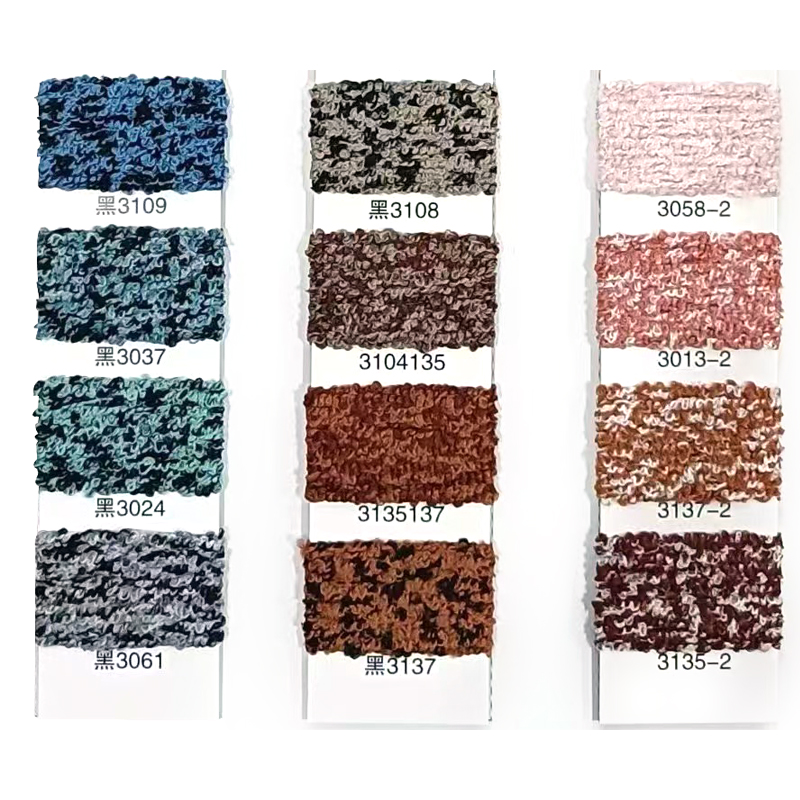
Special fancy yarn refers to yarns that are designed with unique textures, patterns, or effects to create visually appealing and innovative fabrics. Unlike standard yarns, fancy yarns combine artistic design with functional properties, making them highly desirable in fashion, home textiles, and specialty applications. These yarns often incorporate variations in thickness, color, and surface structure to achieve distinct decorative effects.
Types of Special Fancy Yarn
There are several categories of special fancy yarns, each offering unique characteristics and applications:
- Slub Yarn: Features deliberate thick and thin sections to create irregular textures in woven or knitted fabrics.
- Chenille Yarn: Soft and velvety, created by cutting loops of fiber, ideal for plush textiles and decorative fabrics.
- Bouclé Yarn: Forms loops along the strand, producing a textured, bumpy surface for creative fabric effects.
- Metallic Yarn: Incorporates metallic fibers or films for a shimmering and reflective appearance.
- Core-Spun Yarn: Combines a strong central core with an outer decorative fiber, balancing strength and visual appeal.
- Novelty Blended Yarn: Blends multiple fibers or colors to produce heathered, tweed-like, or gradient effects.
Manufacturing Processes of Fancy Yarn
Creating special fancy yarns requires advanced spinning techniques and precise control over fiber behavior. Common processes include:
- Ring Spinning: Traditional spinning method adapted for fancy yarn by adjusting tension and fiber feed for textured effects.
- Air-Jet Spinning: Uses high-speed air to twist fibers, enabling lightweight and unique surface structures.
- Core-Spinning: Wraps decorative fibers around a central core, combining durability with visual aesthetics.
- Twisting and Ply Techniques: Multiple yarns are twisted together in different directions to create complex patterns or textures.
- Incorporating Filaments or Metallic Threads: Enhances visual effects and produces specialty yarns with sheen or sparkle.
Applications of Special Fancy Yarn
Special fancy yarns are used in a wide range of textile products to enhance appearance and functionality. Typical applications include:
| Application | Examples |
|---|---|
| Fashion Apparel | Knitwear, scarves, sweaters, decorative trims, and evening wear |
| Home Textiles | Curtains, upholstery, cushions, and decorative throws |
| Accessories | Bags, hats, belts, and decorative cords |
| Technical Fabrics | Specialty textiles for costume design, performance wear, or promotional products |
Benefits of Using Fancy Yarn in Textiles
Incorporating special fancy yarn into textiles offers both aesthetic and functional advantages:
- Unique Textures: Adds visual depth and tactile appeal to fabrics.
- Design Flexibility: Enables creative patterns, color blending, and surface effects.
- Enhanced Visual Appeal: Metallic or novelty yarns create luxurious or eye-catching finishes.
- Customization: Can be engineered to meet specific design requirements for fashion or home décor.
- Market Differentiation: Fabrics made from fancy yarn stand out in competitive markets due to distinct aesthetics.
Conclusion
Special fancy yarn plays a key role in modern textile design by combining creativity, functionality, and advanced spinning technology. From fashion apparel to home textiles, these yarns allow designers and manufacturers to produce fabrics with unique textures, vibrant patterns, and enhanced visual effects. Understanding the types, production processes, and applications of fancy yarn helps textile professionals leverage its potential for innovative, high-quality products.

GLOBAL BUSINESS
Backed by stable production capacity and integrated manufacturing and trading capabilities, Zhenyi Chemical Fiber is committed to serving customers in international markets. Our team provides responsive support throughout product selection, order coordination, export documentation and shipment arrangements. We aim to build long-term partnerships through consistent product quality, clear communication and dependable service.
Ready to Begin?
Categories
Contact Information

 +86-18258373586
 No. 318 Huiye Road, Fengming Subdistrict, Tongxiang, Jiaxing, Zhejiang, China.
Copyright © ZHENYI CHEMICAL FIBER All rights reserved.
