

 English
 Home / News / Industry News / Polyester Crochet Yarn: The Durable and Versatile Choice for Modern Crafters
Industry News
Polyester Crochet Yarn: The Durable and Versatile Choice for Modern Crafters
2026-01-29
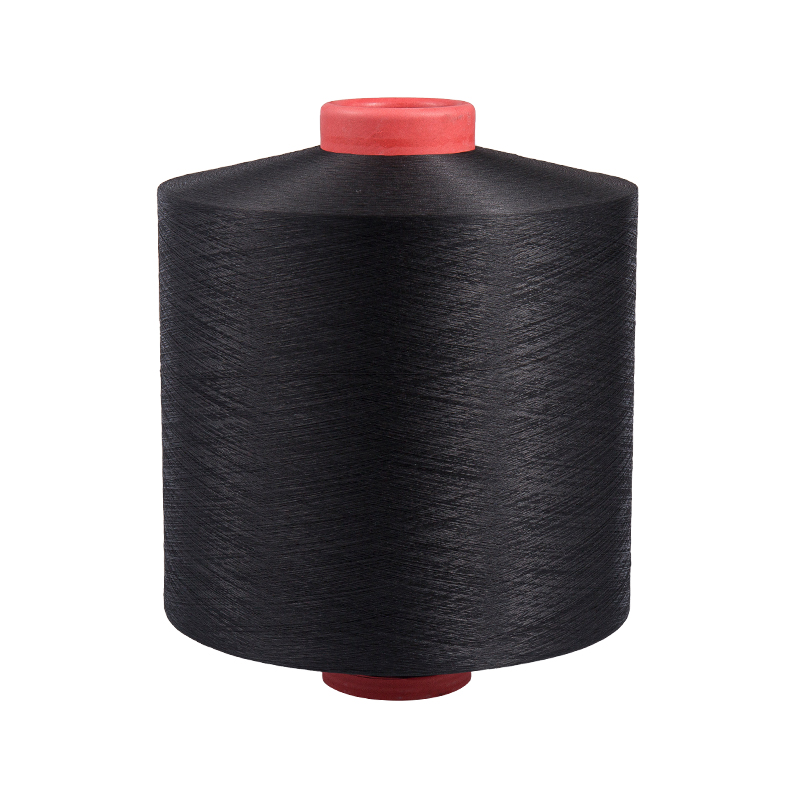
Polyester crochet yarn is a synthetic fiber specifically engineered for crafting, offering exceptional durability, vibrant color retention, and easy care. Derived from petroleum-based polymers, this yarn has evolved from its early stiff iterations into a soft, versatile material that rivals natural fibers in feel while outperforming them in resilience and washability. Ideal for items that require frequent use and washing, polyester yarn has become a staple for crafters creating everything from home decor and accessories to durable garments and amigurumi, providing a practical and colorful medium for creative expression.
Content
Understanding Polyester Fiber: From Polymer to Yarn
Polyester yarn begins as polyethylene terephthalate (PET), the same polymer used in plastic bottles and fabrics. Through a process of melting, extrusion, and spinning, the polymer is formed into continuous filaments. For crochet yarn, these filaments are either left as a smooth, continuous strand or crimped and cut into shorter staple fibers that are then spun to mimic the texture of natural yarns like cotton or wool. The manufacturing process allows for precise control over characteristics like thickness, sheen, and texture, resulting in a wide variety of yarn types, from silky and smooth to fluffy and brushed. Many brands now produce polyester yarn from recycled PET, offering an eco-conscious option that repurposes plastic waste into a durable crafting material.
Key Characteristics and Benefits
Polyester yarn possesses a unique set of properties that make it exceptionally suitable for specific types of projects. Its synthetic nature grants it advantages that natural fibers often lack.
- Exceptional Durability and Strength: Polyester fibers are highly resistant to stretching, shrinking, and abrasion. Finished items maintain their shape and integrity even after years of heavy use and machine washing.
- Vibrant, Colorfast Dyes: The fiber accepts dye readily and holds color exceptionally well. Polyester projects are resistant to fading from washing and sunlight, keeping their brilliant hues long-term.
- Easy Care and Quick Drying: It is machine washable and dryable, and it resists water absorption, meaning items dry quickly and do not felt or mildew like animal fibers.
- Hypoallergenic and Mildew Resistant: A great choice for those with wool sensitivities. It does not provide a food source for moths or mold, making it ideal for storage and use in humid environments.
- Affordability and Consistency: Generally less expensive than natural fibers like merino wool or silk, and its production ensures consistent thickness and texture across skeins, reducing dye-lot issues.
Comparing Polyester Yarn to Other Common Fibers
Choosing the right yarn depends on the project's needs. The table below compares polyester with other popular crochet fibers to highlight its specific niche.
| Fiber | Key Advantages | Considerations | Best For |
|---|---|---|---|
| Polyester | Durable, colorfast, easy-care, affordable, quick-dry. | Less breathable, can be less elastic, may pill over time. | Amigurumi, bags, home decor, baby items, outdoor accessories. |
| Cotton | Breathable, strong, absorbent, good stitch definition. | Heavy when wet, can shrink, less vibrant colors. | Dishcloths, summer garments, market bags, table linens. |
| Acrylic | Very soft, lightweight, warm, excellent color variety. | Can be less durable, may stretch out, prone to static. | Blankets, scarves, hats, beginner projects, charity items. |
| Wool | Exceptionally warm, elastic, moisture-wicking, biodegradable. | Requires special care, can felt, may cause itchiness, expensive. | Winter wear, socks, garments needing structure. |
Ideal Projects for Polyester Crochet Yarn
The unique properties of polyester yarn make it the premier choice for projects that demand resilience, washability, and lasting color.
Amigurumi and Stuffed Toys
This is arguably its strongest application. The low elasticity of polyester helps stuffed toys hold their shape without over-stretching. Its durability withstands play and washing, and the wide color palette allows for creative character design. A tight stitch with polyester yarn creates a firm, secure fabric ideal for stuffing.
Home Decor and Practical Items
Perfect for potholders (though not highly heat-resistant), placemats, baskets, and decorative pillows. Polyester holds up to frequent handling and cleaning. Its resistance to moisture makes it suitable for bath mats and shower scrubbies (when paired with a cotton core for absorbency).
Bags and Totes
The inherent strength of polyester fibers makes for sturdy, long-lasting market bags, beach totes, and everyday purses that won't stretch out of shape under weight. Nylon-blend polyester yarns add even more tensile strength.
Baby and Children's Items
Its machine-washable, hypoallergenic, and non-irritating qualities make it safe for baby blankets, lovies, and soft toys. Bright, colorfast dyes ensure items stay vibrant.
Outdoor and Seasonal Crafts
Polyester's resistance to moisture and mildew makes it a good choice for outdoor chair cushions, wreaths, and Halloween or Christmas decorations that may be exposed to the elements or require storage for long periods.
Selecting and Working with Polyester Yarn: A Crafter's Guide
To get the best results, consider these factors when choosing and using polyester yarn.
- Yarn Weight and Texture: Polyester comes in all weights. Sport or DK weight is common for amigurumi, while bulky weight is great for quick home decor. Brushed or chenille-style polyester creates an ultra-soft, velvety fabric perfect for plush toys.
- Hook Size and Gauge: Because it has less give than wool or acrylic, you may need to size up your hook slightly to achieve the desired drape for wearables. For amigurumi, use a hook smaller than recommended to create tight, non-gappy stitches. Always crochet a gauge swatch.
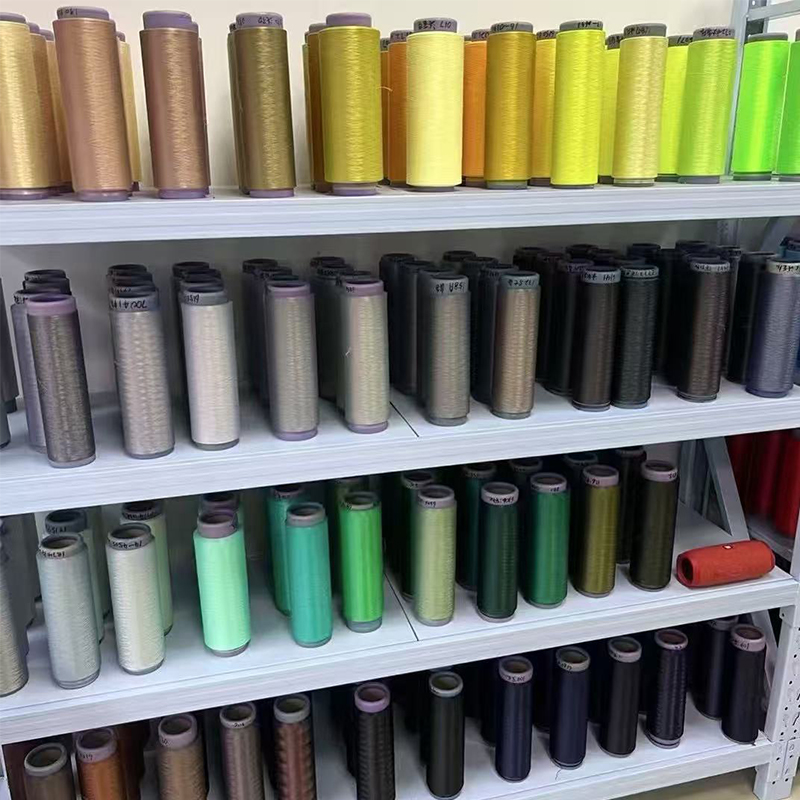
- Color Selection: Take advantage of polyester's excellent dye properties. Variegated and self-striping polyester yarns often have very clear, sharp color transitions. For projects with colorwork, its consistent texture shows stitches clearly.
- Splitting and Joining: Some smooth polyester plies can be prone to splitting. Use a sharp hook tip and mindful technique. When joining new yarn, use a Russian or magic knot for security, as polyester's slick surface can cause slip knots to loosen.
- Blocking: Polyester does not block like natural fibers. You can use steam blocking to gently relax and shape the fabric, but be cautious—too much heat can melt or glaze the fibers. Always test on a swatch first.
Care Instructions for Finished Polyester Crochet Items
Proper care ensures the longevity of your handmade creations. Polyester is forgiving, but a few guidelines will keep items looking their best.
Washing: Machine wash in cool or warm water on a gentle cycle. Use a mild detergent. Turn items like amigurumi or bags inside out if possible to minimize surface friction (pilling).
Drying: Tumble dry on low heat. Remove items promptly once dry to prevent wrinkles and set-in creases. For plush toys, you can add dryer balls or clean tennis balls to help fluff the fibers and maintain softness.
Pilling and Maintenance: Over time, friction may cause small pills on the surface. Use a fabric shaver or sweater stone to gently remove them. Store items in a cool, dry place away from direct sunlight for extended periods to prevent any potential UV degradation of the fibers.
Polyester crochet yarn offers a world of creative possibilities grounded in practicality. By understanding its strengths—durability, easy care, and colorfastness—crafters can confidently choose it for projects meant to be loved, used, and washed for years to come, making it a reliable and vibrant workhorse in any yarn collection.


GLOBAL BUSINESS
Backed by stable production capacity and integrated manufacturing and trading capabilities, Zhenyi Chemical Fiber is committed to serving customers in international markets. Our team provides responsive support throughout product selection, order coordination, export documentation and shipment arrangements. We aim to build long-term partnerships through consistent product quality, clear communication and dependable service.
Ready to Begin?
Categories
Contact Information

 +86-18258373586
 No. 318 Huiye Road, Fengming Subdistrict, Tongxiang, Jiaxing, Zhejiang, China.
Copyright © ZHENYI CHEMICAL FIBER All rights reserved.
