

 English
 中文简体
中文简体 Español
 عربى
عربى


Industry News
Polyester Monofilament Yarn in Filtration, Nets, and Ropes
2026-01-21
Content
Introduction to Polyester Monofilament Yarn
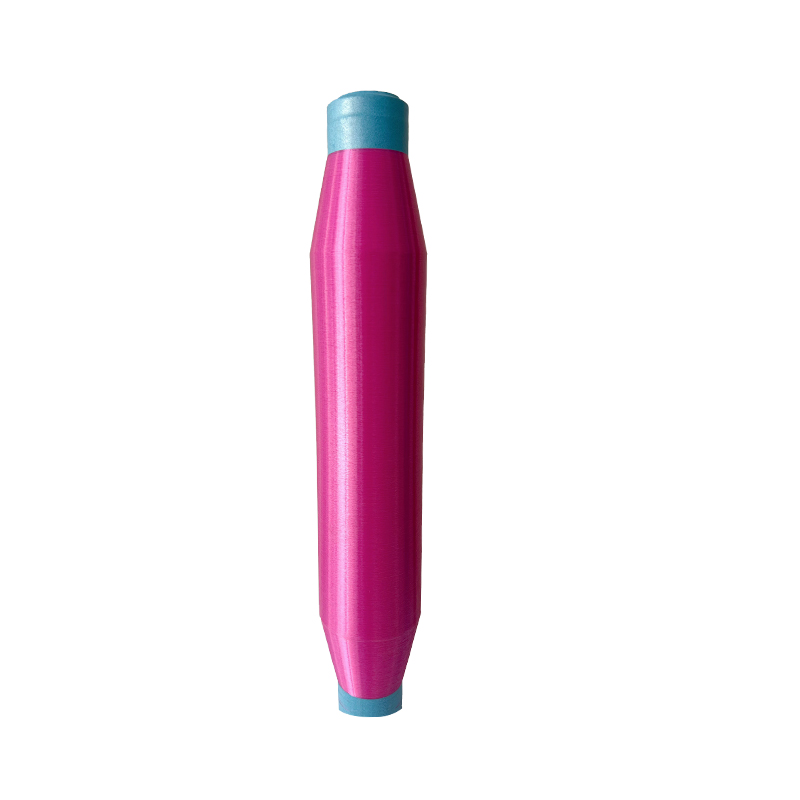
Polyester monofilament yarn is a single continuous filament made from polyester polymers. Unlike multifilament yarns, it consists of one strong strand with a consistent diameter, offering excellent strength, durability, and resistance to stretching or deformation. Its smooth surface, high tensile strength, and chemical resistance make it suitable for demanding industrial and technical applications.
Due to these properties, polyester monofilament yarn is widely used in filtration systems, industrial nets, ropes, and other applications that require precision, longevity, and reliability. The yarn can be manufactured in various diameters and strengths to meet specific performance requirements for different sectors.
Applications in Filtration
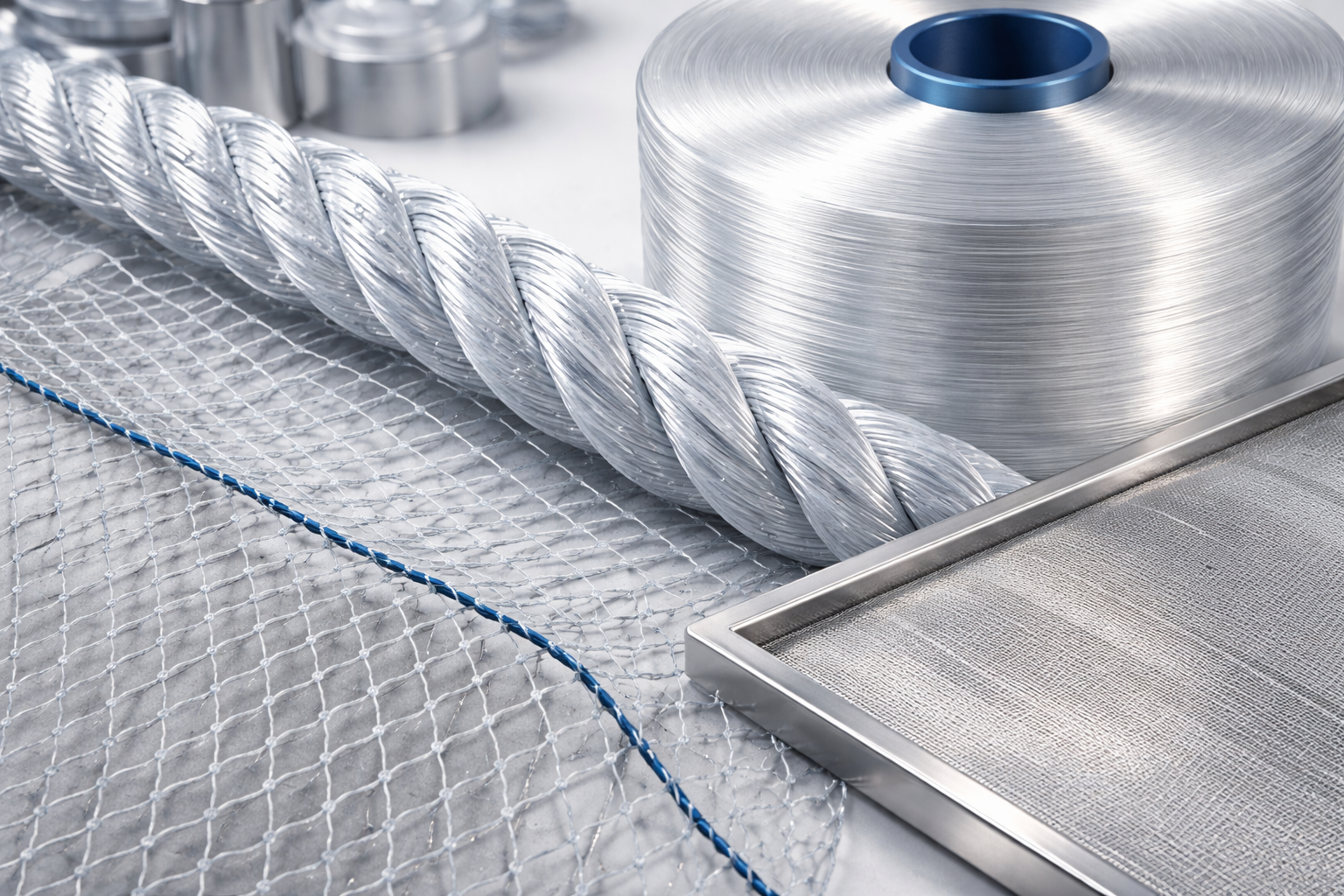
Polyester monofilament yarn plays a critical role in filtration products because of its high chemical resistance, dimensional stability, and smooth surface. These characteristics allow filters to maintain precise pore sizes, ensuring efficient separation of solids from liquids or air.
Common filtration applications include water treatment, chemical processing, and air purification systems. The yarn can be woven or knitted into mesh fabrics with controlled openings, providing high durability and long-term performance even under high pressure or corrosive environments.
- Industrial water filtration systems for removing particles and contaminants
- Chemical filtration where corrosion resistance is essential
- Air filters and dust collection fabrics with precise pore control
Applications in Nets
The strength and elasticity of polyester monofilament yarn make it ideal for manufacturing various types of nets. Its resistance to UV degradation, abrasion, and moisture ensures long-term performance, especially in outdoor and marine environments.
Applications of nets made from polyester monofilament yarn include fishing nets, sports nets, cargo nets, and protective barriers. The yarn can be woven into tight or open meshes depending on the required strength, flexibility, and visibility.
- Fishing nets and aquaculture cages for long-term durability in water
- Sports nets such as soccer, volleyball, or tennis nets with high tension resistance
- Cargo nets and industrial safety nets for lifting, securing, or protective purposes
Applications in Ropes
Polyester monofilament yarn is widely used in rope production due to its high tensile strength, abrasion resistance, and low stretch properties. These features make it suitable for heavy-duty and precision applications where reliability is critical.
The yarn can be twisted or braided into ropes of varying diameters to handle specific loads. Its resistance to moisture and chemicals also makes it ideal for marine ropes, industrial lifting ropes, and safety lines.
- Marine ropes for mooring, towing, and rigging applications
- Industrial ropes for lifting, pulling, and securing loads
- Safety ropes for fall protection and rescue operations
Comparison of Performance Characteristics
To understand why polyester monofilament yarn is preferred in these applications, it is important to examine its physical and chemical properties compared with other yarn types.
| Property | Polyester Monofilament Yarn | Nylon Monofilament Yarn | Multifilament Polyester Yarn |
| Tensile Strength | High | Moderate | Moderate |
| Elasticity | Low Stretch | Higher Stretch | Moderate Stretch |
| Abrasion Resistance | High | Moderate | Moderate |
| Chemical Resistance | Excellent | Good | Good |
Conclusion
Polyester monofilament yarn is a versatile and high-performance material suitable for filtration, nets, and rope applications. Its combination of strength, chemical resistance, low stretch, and long-term durability makes it an ideal choice for industrial and technical uses. By selecting the appropriate diameter and configuration, manufacturers can create products that meet precise performance requirements and withstand demanding conditions.

GLOBAL BUSINESS
Backed by stable production capacity and integrated manufacturing and trading capabilities, Zhenyi Chemical Fiber is committed to serving customers in international markets. Our team provides responsive support throughout product selection, order coordination, export documentation and shipment arrangements. We aim to build long-term partnerships through consistent product quality, clear communication and dependable service.
Ready to Begin?
Categories
Contact Information

 +86-18258373586
 No. 318 Huiye Road, Fengming Subdistrict, Tongxiang, Jiaxing, Zhejiang, China.
Copyright © ZHENYI CHEMICAL FIBER All rights reserved.
