

 English
 Home / News / Industry News / Polyester Yarn Manufacturers: What They Produce and How to Choose a Supplier
Industry News
Polyester Yarn Manufacturers: What They Produce and How to Choose a Supplier
2026-08-28
Ask three suppliers to quote 150D/48F semi-dull polyester DTY and you will often receive three different prices for what looks like the same product. The gap rarely appears on the quotation. It hides in the stability of the draw-texturing process, the number of interlacing nodes per meter, the dye-lot discipline behind each color, and how consistently every package is wound and packed for a long sea voyage. Those details decide whether your fabric weaves cleanly in week one and still matches the approved shade in week twelve.
The conclusion comes first: when comparing polyester yarn manufacturers, rank specification consistency first, customization capability second, and unit price last. A cheap kilogram that breaks on the loom or drifts two shades between lots costs far more than the money it saves. The rest of this article explains what manufacturers in this sector actually produce, which specifications separate one grade from another, and how to vet a supplier before you commit a container.
Content
What Polyester Yarn Manufacturers Actually Produce
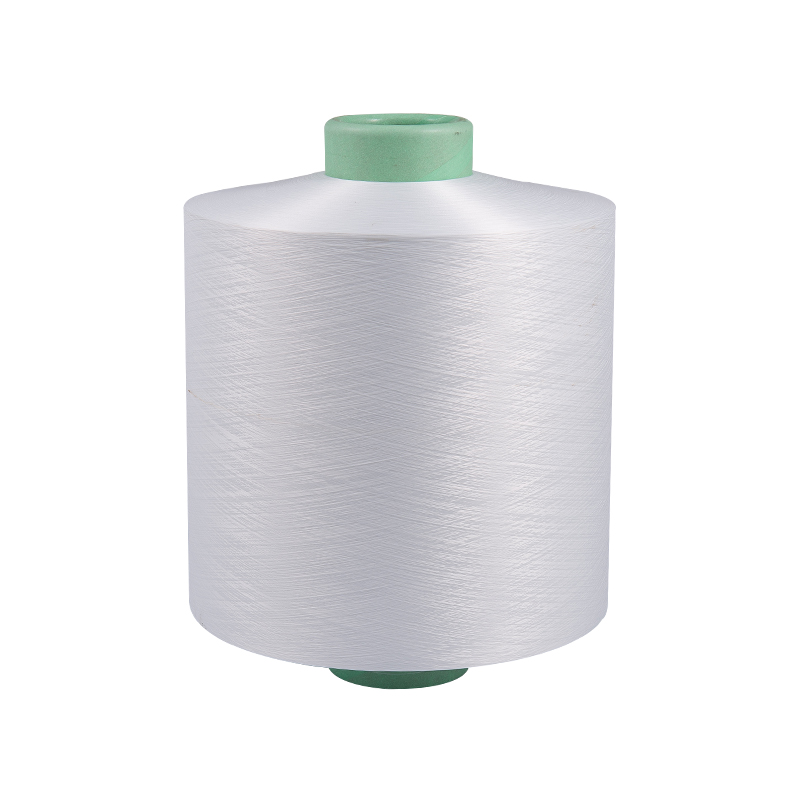
Midstream polyester yarn manufacturers rarely make everything, and the good ones specialize. The largest product family is draw textured yarn, known across the trade as DTY. Producers buy partially oriented yarn (POY) from polymer plants, then draw, heat, and interlace it on texturing machines to give the filament bulk, stretch, and a softer hand than flat yarn. If you want the mechanics in detail, this walkthrough of how DTY yarn is produced covers the process step by step.
Within DTY, the structural choices are what a buyer actually negotiates. Heavy mesh yarn carries a dense interlacing network for better weaveability and a crisper, fuller fabric face; light mesh stays loftier and softer for knits. Low-elastic texturing adds stretch comfort for apparel, and grid patterns change the surface appearance of the finished cloth. Standard deniers run from roughly 50D to 600D, and filament count matters even at the same denier: 75D/72F and 75D/36F do not read or drape the same way.
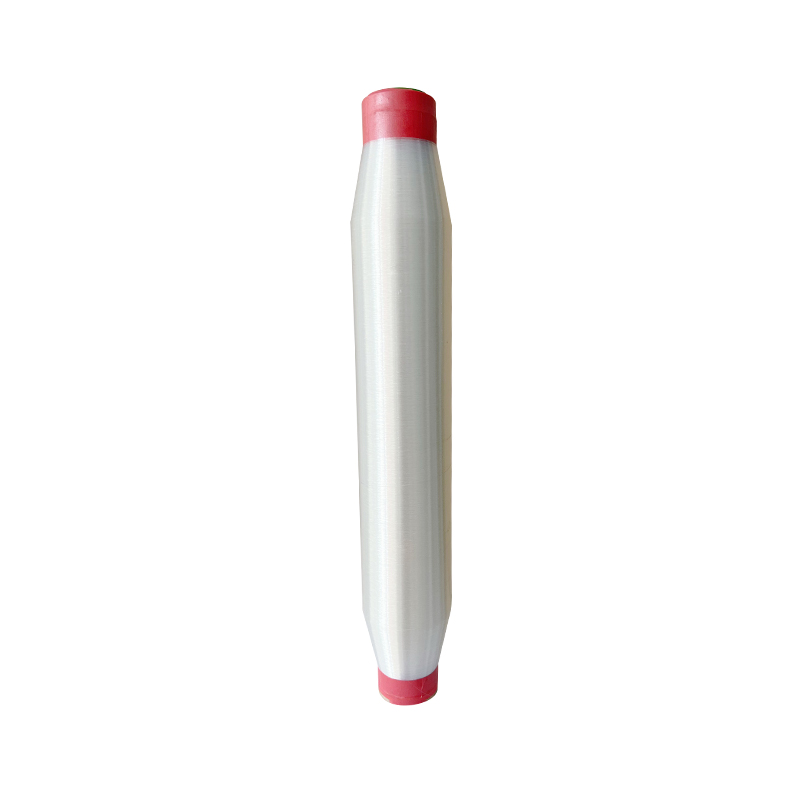
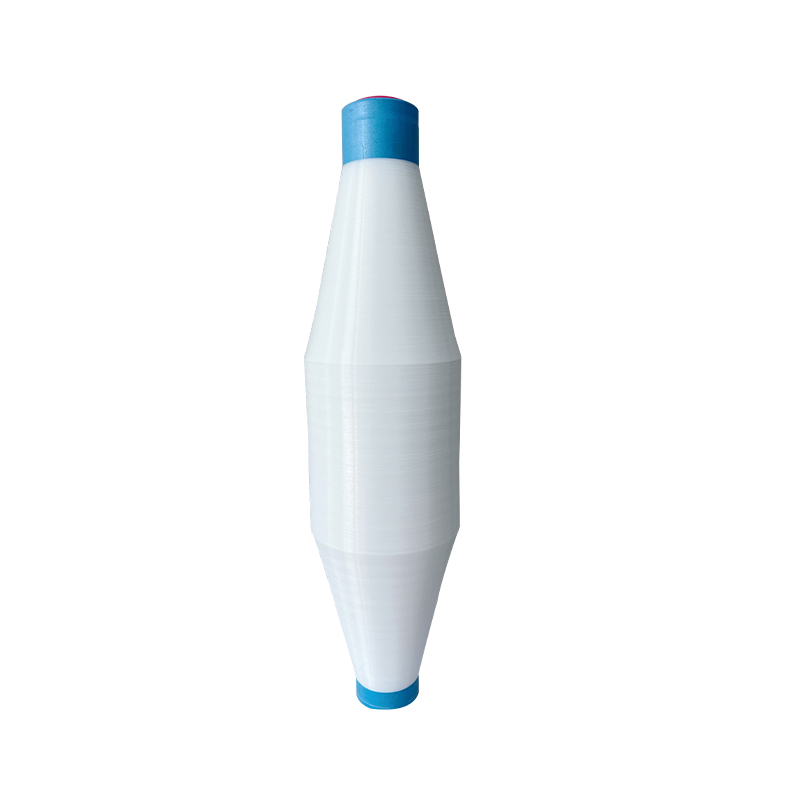
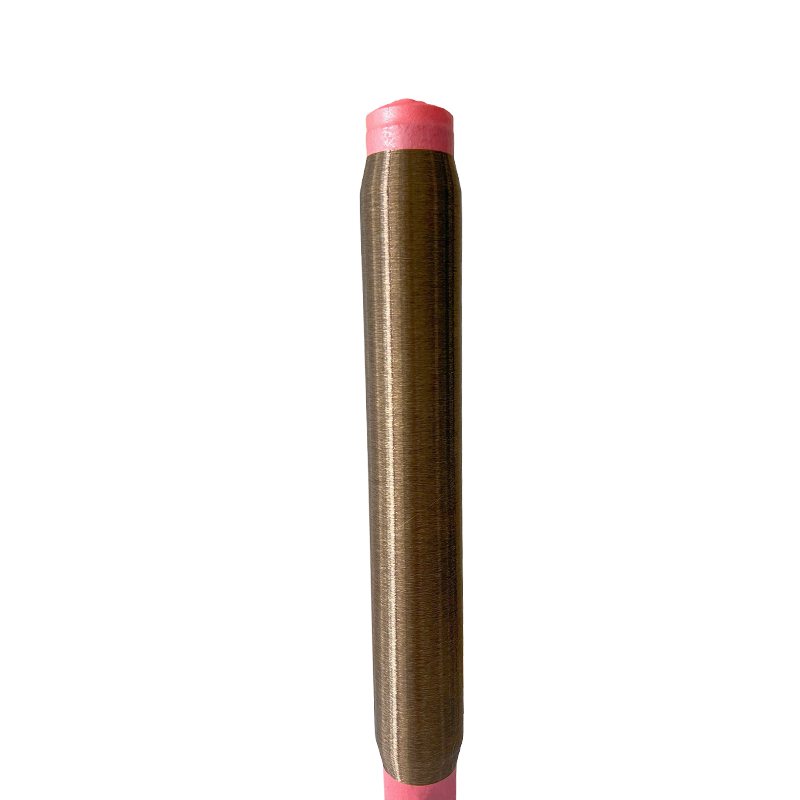
The second family is monofilament, a single relatively thick filament rather than a bundle. Manufacturers offer round and profiled special-shape cross-sections in bright, semi-dull, and dope-dyed colored versions, because cross-section and luster directly control stiffness, sheen, and how the yarn runs on high-speed looms.
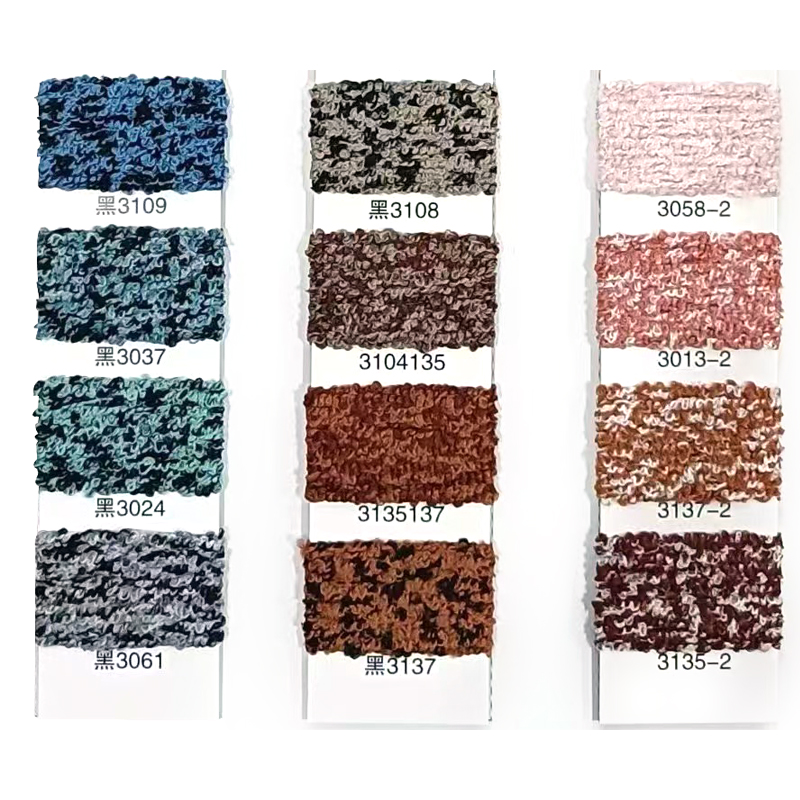
The third family covers fancy and pile-effect constructions: chenille, imitation chenille and imitation mink crochet yarns, circle yarns, and other specialty builds. These are assembly products, cut and locked onto a core strand, so the real skill lies in uniformity. An uneven pile shows up immediately on a sofa cover or a knitted sweater, which is why equipment condition and operator discipline matter as much here as polymer chemistry does in DTY.
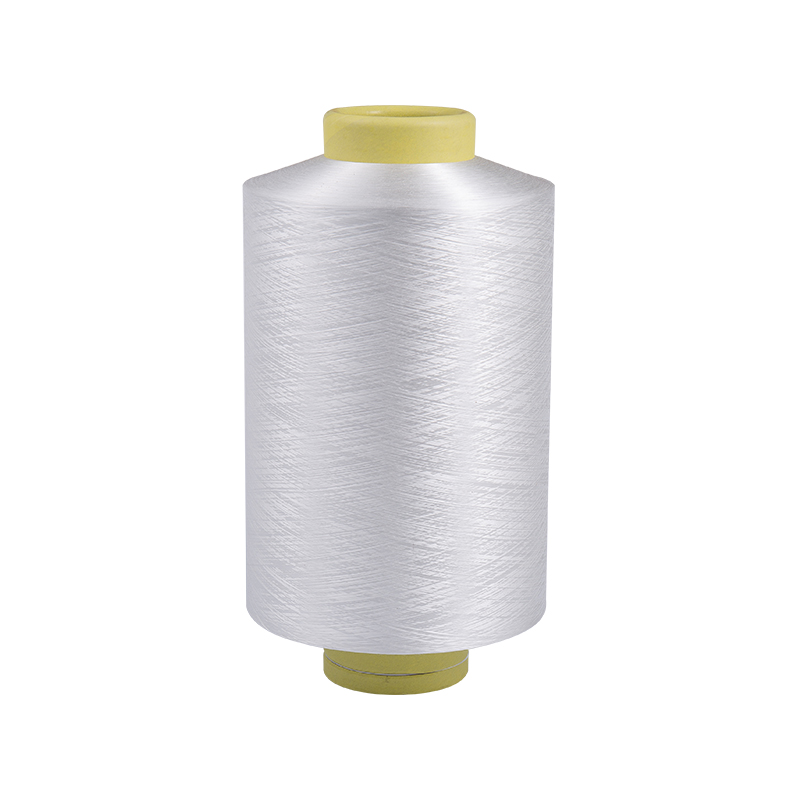
Polyester DTY Yarn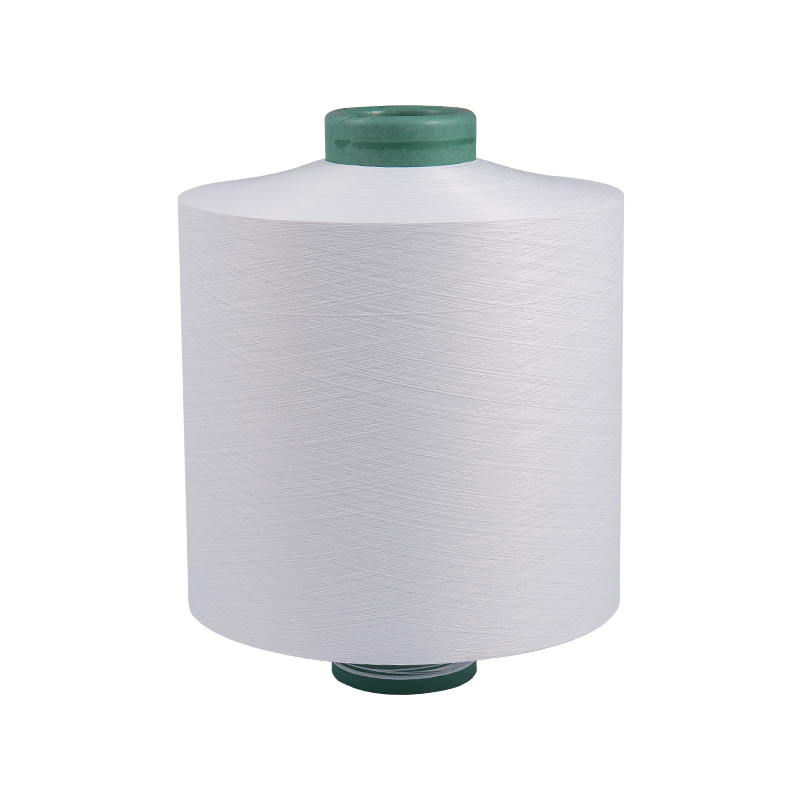 Polyester DTY Yarns in Multiple Lusters and InterlacingsDraw-textured polyester yarns offered in low-elastic, mesh, and grid variants across glossy, semi-gloss, and full-matte finishes. Uniformity of twist and texture makes these yarns a useful benchmark when comparing supplier quotations.View Product →
The Specifications That Separate One Grade From Another
Manufacturers organize their catalogs along a few recurring axes, and learning them makes quotations far easier to compare.
Luster
Bright yarn is high-shine. Semi-dull, the trade's default, contains titanium dioxide to cut glare, while full-dull goes further for a matte, powder-soft face that reads premium in home textiles and outerwear.
Dyeing route
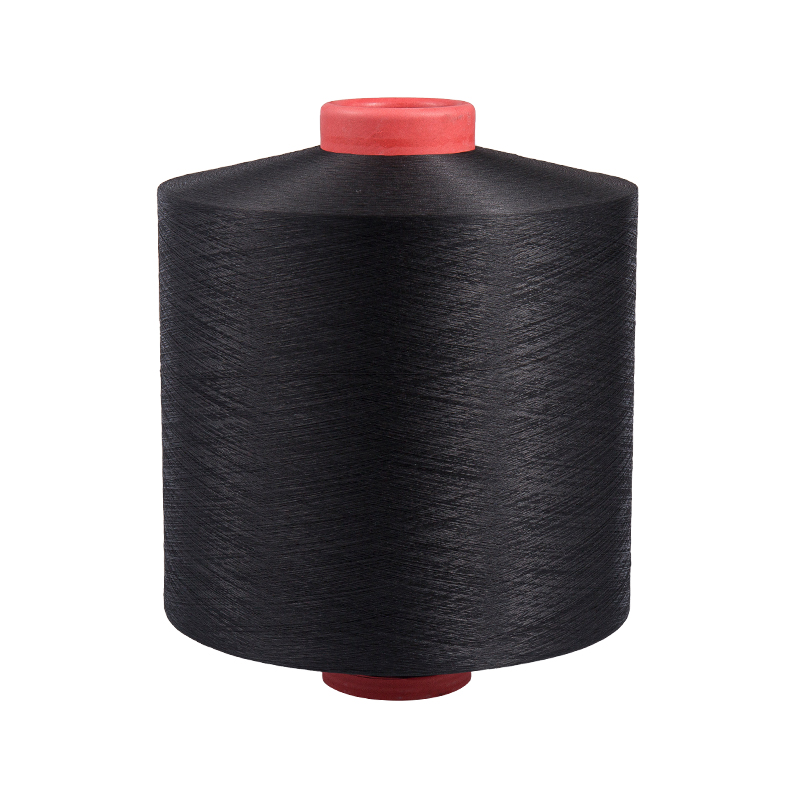
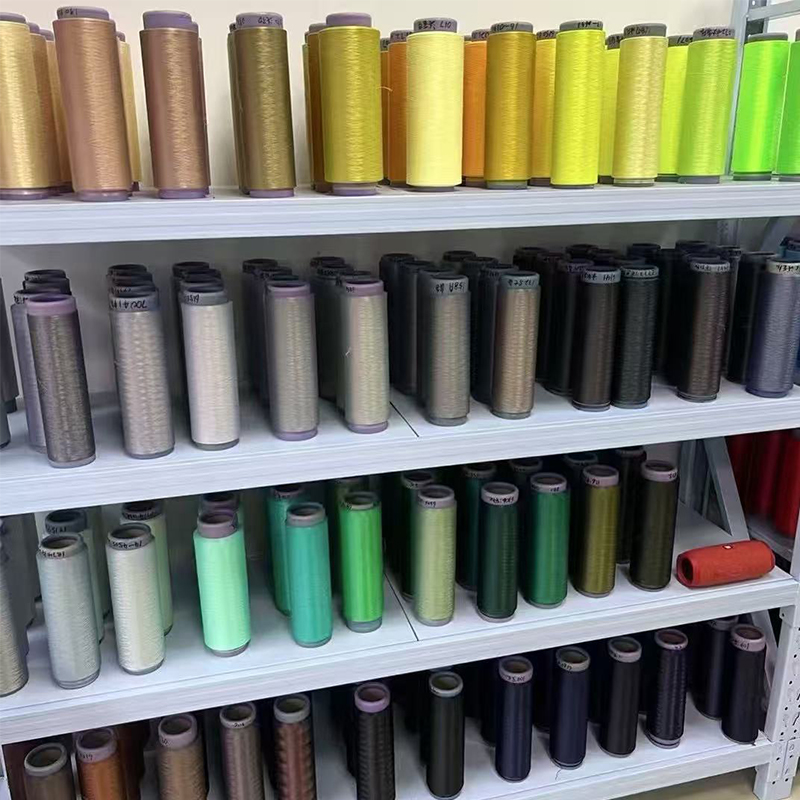
Raw white yarn is dyed later by the fabric mill. Cationic yarn uses modified polymer that takes cationic dyes at atmospheric boil, giving dyers vivid deep shades and heather effects when plaited with regular polyester. Dope-dyed, or colored, yarn has pigment locked in during spinning, which delivers excellent colorfastness and skips fabric dyeing altogether; black and white are the highest-volume shades, supported by a full color card for custom tones.
Cross-section and structure
Round filaments behave differently from profiled ones, and interlacing density or low-elastic texturing changes both hand and processing behavior on the loom.
The table below condenses the main product families into a comparison you can keep beside a quotation.
| Yarn family | Defining feature | Typical end use |
|---|---|---|
| Draw textured yarn (DTY) | Drawn, heat-set, and interlaced; heavy mesh, light mesh, low-elastic, and grid variants | Woven and knitted apparel, sportswear, home textiles |
| Monofilament | Single round or profiled filament in bright, semi-dull, or colored finishes | Decorative and technical weaves where stiffness, sheen, and dimensional stability matter |
| Chenille yarn | Cut pile locked between core strands in full-dull, glossy, or semi-gloss finishes | Upholstery, curtains, cushions, and knitwear with a velvet hand |
| Crochet and fancy yarn | Imitation chenille, imitation mink, circle, and specialty constructions | Sweaters, scarves, throws, and decorative trims |
How to Evaluate a Manufacturer Before You Commit
Capacity figures are easy to quote; the meaningful test is whether a factory can hold your specification over repeated shipments. When you vet a supplier, work through this sequence:
- Match scale to your volume. A plant running dozens of draw-texturing and crochet machines at several hundred tons per day can absorb mid-size export orders without pushing your lot to the end of the queue. Far smaller, and you fight for machine time; far larger, and you may be a low-priority account.
- Ask for the specification sheet, not just the price. Denier, filament count, tenacity, elongation at break, boiling-water shrinkage, and interlacing node count should all appear in writing.
- Order counter samples against your target swatch. For dope-dyed colors, confirm the shade under the same light source you will use for final inspection, because a D65 and TL84 mismatch is a classic source of disputes.
- Agree lot discipline in advance: shade continuity between production lots, carton labeling, pallet configuration, and the tolerance band you will both accept.
- Check export readiness, including proximity to major ports such as Ningbo and Shanghai, documentation experience, and realistic lead times during peak season.
- Commission a third-party inspection if the order value justifies it, and examine both package quality and carton integrity before loading.
Customization is where established manufacturers quietly outperform pure traders. Custom spinning to a non-standard denier, lab-dip matching for dope-dyed shades, and small-lot colored production all depend on in-house capability. Ask for the minimum order quantity on custom colors and the lead time for a first matching sample; a factory that textures and colors its own yarn can usually turn a shade approval around in days rather than weeks.
Matching the Yarn to the End Use
Choose yarn around the job the fabric has to do, not around whatever is cheapest on the day. Four pairings cover most purchasing decisions.
Apparel and sportswear fabrics
Semi-dull DTY handles most shirting, linings, and knitwear. Bright DTY suits satins and high-sheen jackets, full-dull reads premium and hides soiling, and cationic DTY earns its premium wherever dyers need vivid shades or a heather effect in a blend.
Upholstery and home textiles
Chenille is the workhorse for sofa covers, cushions, and curtains because its cut pile brings depth and a soft hand, while heavier interlacing helps the yarn survive high-tension weaving without flattening.
Polyester Chenille Yarn Polyester Chenille Yarn for Home Décor WeavingCut-pile chenille built on a central core, available in glossy, semi-gloss, and full-matte finishes. Its soft hand and durability suit sofa covers, cushions, and curtains, where even pile under high-tension weaving is essential.View Product →
Monofilament and technical weaves
Profiled and colored monofilaments go into decorative mesh, bag construction, and industrial fabrics where consistent diameter, stiffness, and dimensional stability matter more than softness.
Polyester Monofilament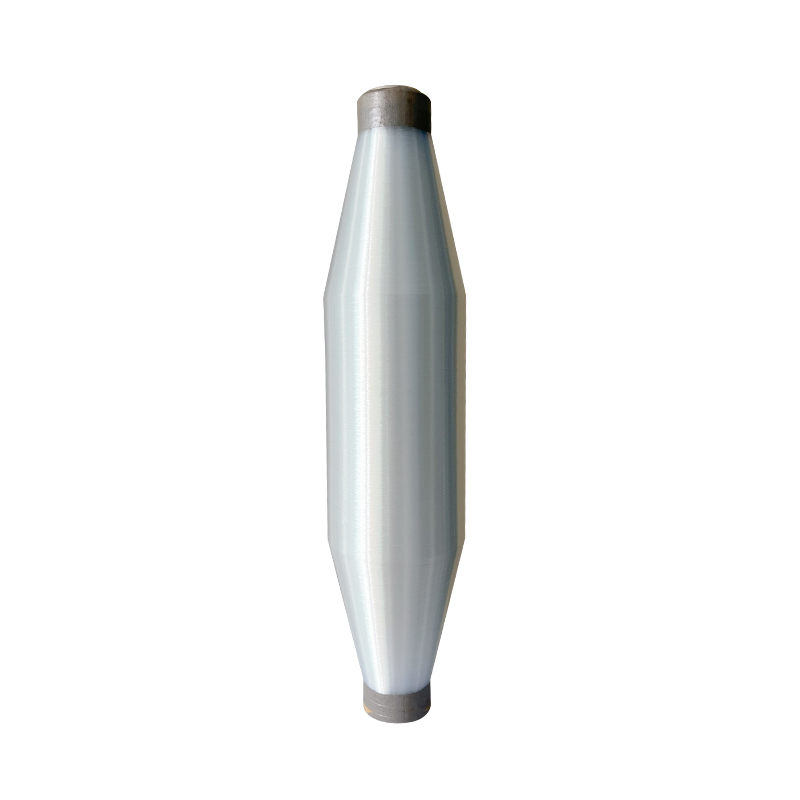 Polyester Monofilament for Mesh, Bags, and Industrial FabricsSingle-filament polyester in round or special-shape profiles, shiny, semi-dull, full-dull, or colored. Consistent diameter, stiffness, and dimensional stability make it reliable for decorative mesh, bags, netting, and industrial textiles.View Product →
Fashion and decorative surfaces
Imitation mink and imitation chenille crochet yarns, circle yarns, and specialty constructions supply the surface interest on sweaters, scarves, throws, and trims, letting knit mills chase trend colors without committing to expensive spun yarns.
The Bottom Line
The polyester yarn manufacturers worth a long-term partnership are the ones that can demonstrate three things in order: a stable process, a disciplined color system, and the flexibility to spin to your specification. Price gaps between qualified suppliers are usually narrow; the cost of unstable yarn never is.
That is the standard we work to at Tongxiang Baoyi Textile Co., Ltd.: three plants in Tongxiang, Zhejiang, roughly 230 tons of daily capacity across draw-texturing and fancy yarn lines, and a catalog spanning DTY, monofilament, chenille, and crochet constructions in black, white, and dope-dyed colors from 50D to 600D. Tell us what you are weaving or knitting, request a color card and counter samples, and we will match the yarn, or spin a custom one, before you commit your first container.

GLOBAL BUSINESS
Backed by stable production capacity and integrated manufacturing and trading capabilities, Zhenyi Chemical Fiber is committed to serving customers in international markets. Our team provides responsive support throughout product selection, order coordination, export documentation and shipment arrangements. We aim to build long-term partnerships through consistent product quality, clear communication and dependable service.
Ready to Begin?
Categories
Contact Information

 +86-18258373586
 No. 318 Huiye Road, Fengming Subdistrict, Tongxiang, Jiaxing, Zhejiang, China.
Copyright © ZHENYI CHEMICAL FIBER All rights reserved.
