

 English
 中文简体
中文简体 Español
 عربى
عربى
 Home / News / Industry News / What Makes Cationic Polyester DTY a Preferred Choice for Vibrant, Durable Textiles?
Industry News
What Makes Cationic Polyester DTY a Preferred Choice for Vibrant, Durable Textiles?
2026-07-17
Content
- 1 What Makes Cationic Polyester DTY Different from Standard Polyester Yarn
- 2 Colorfastness and Dyeing Performance in Practice
- 3 Hand Feel and Physical Properties That Support Comfort
- 4 Application in Apparel Manufacturing
- 5 Application in Home Textiles
- 6 Compatibility with Finishing Processes
- 7 Key Considerations When Sourcing Cationic Polyester DTY
What Makes Cationic Polyester DTY Different from Standard Polyester Yarn
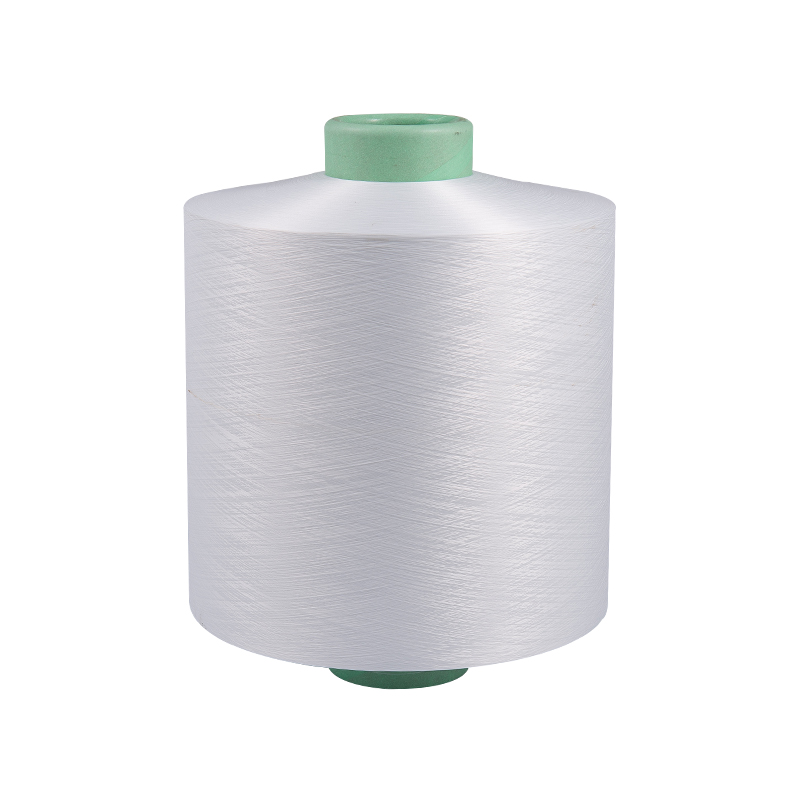
Cationic polyester DTY, or draw textured yarn, is produced by copolymerizing standard polyethylene terephthalate with a modifying acid, most commonly a sulfonate-containing compound, that introduces dye sites into the polymer chain. This structural modification is what separates cationic polyester from conventional polyester yarn at a fundamental level. Regular polyester relies on disperse dyes that penetrate the fiber through diffusion under high temperature, while the added dye sites in cationic polyester allow it to accept basic, or cationic, dyes through an ionic bonding mechanism similar to how acrylic fibers are dyed.
This dyeing mechanism has practical consequences that ripple through the entire textile production process, from dye selection and dyeing temperature to the final color depth and fastness achieved on finished fabric. Because the ionic bond between cationic dye molecules and the modified polymer sites is stronger and more stable than the physical entrapment relied upon in disperse dyeing, cationic polyester DTY achieves both more vivid coloration and better resistance to fading over the life of the textile product.
Colorfastness and Dyeing Performance in Practice
Colorfastness is often the primary reason mills select cationic polyester DTY over standard polyester alternatives, particularly for products that will see repeated washing, prolonged sun exposure, or heavy handling. The ionic dye-fiber bond resists breakdown from UV exposure and repeated laundering cycles more effectively than the diffused dye particles in conventional disperse-dyed polyester, which can migrate or fade unevenly over time.
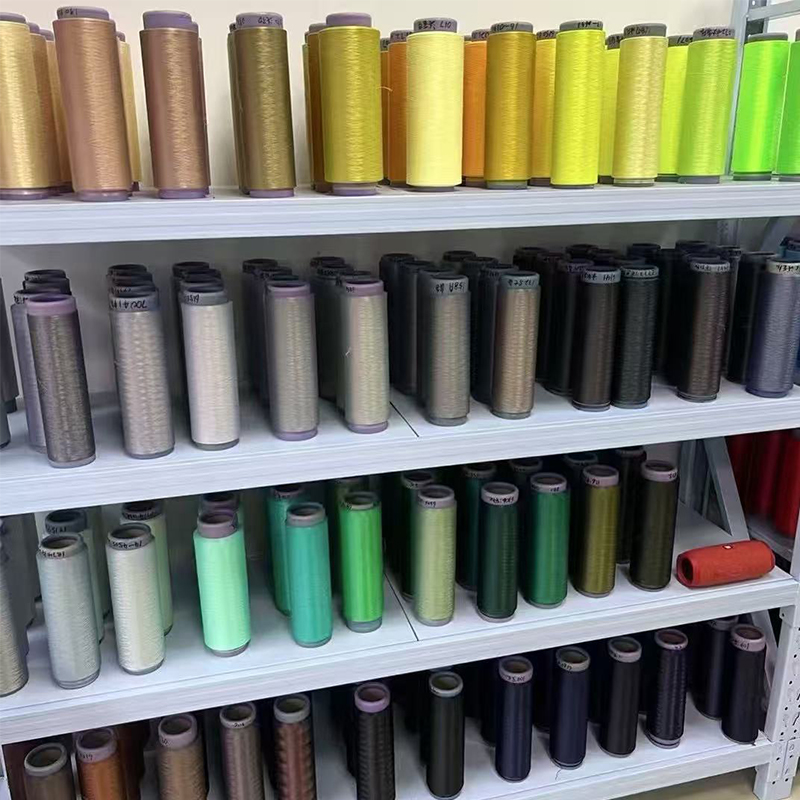
Vibrancy is another distinguishing factor. Because cationic dyes bond directly and efficiently to the available dye sites, less dye is needed to achieve deep, saturated shades compared to disperse dyeing, and the resulting color tends to appear brighter and more uniform across the fabric surface. This is especially valuable for product lines where bold, saturated colors, such as bright reds, deep blues, or vivid greens, are a key design requirement, since these shades are historically more difficult to achieve consistently with standard polyester.
Dyeing Comparison: Cationic vs Standard Polyester
| Factor | Cationic Polyester DTY | Standard Polyester DTY |
| Dye type | Cationic (basic) dyes | Disperse dyes |
| Bonding mechanism | Ionic bond at dye sites | Physical diffusion into fiber |
| Color vibrancy | High, saturated shades | Moderate, softer tones |
| Fade resistance | Strong long-term retention | Gradual fading with wear |
Hand Feel and Physical Properties That Support Comfort
Beyond dyeing characteristics, cationic polyester DTY is valued for its softness and smooth surface texture, qualities that stem from both the texturing process and the fiber's cross-sectional profile. During draw texturing, the yarn is stretched and simultaneously crimped or textured to introduce bulk and elasticity, which reduces the stiff, slick handle sometimes associated with flat polyester filament yarn. The result is a fabric surface that feels closer to natural fibers while retaining the durability advantages of synthetic polyester.
Tensile strength remains a core strength of cationic polyester DTY, supporting its use in products that undergo repeated stretching, washing, or mechanical stress. Unlike natural fibers that can weaken with repeated laundering, polyester-based yarns retain much of their original strength profile across the product lifecycle, which is a significant factor in why cationic polyester DTY performs well in both apparel subjected to frequent washing and home textiles that see years of continuous use.
Application in Apparel Manufacturing
Within apparel, cationic polyester DTY has found strong adoption in sportswear and casual clothing categories, where both color performance and comfort against the skin are essential. Sportswear manufacturers in particular benefit from the yarn's combination of moisture management potential, when blended or finished appropriately, alongside its ability to hold bright, brand-consistent colors through repeated washing cycles that activewear typically undergoes.
Casual clothing applications take advantage of the yarn's softness and drape, qualities that make it suitable for everyday wear items like t-shirts, casual dresses, and lightweight outerwear. Because cationic polyester DTY can be engineered in different deniers and filament counts, manufacturers have flexibility in tuning the fabric weight and hand feel to match specific garment categories, from lightweight summer wear to slightly heavier transitional-season pieces.
Common Apparel Use Cases
- Activewear and sportswear requiring vibrant, wash-resistant color
- Casual t-shirts and everyday clothing needing a soft hand feel
- Lightweight dresses and blouses where drape and color depth matter
- Blended fabrics combining cationic polyester with other fibers for texture variation
Application in Home Textiles
Home textile applications place different demands on yarn performance compared to apparel, with an emphasis on long-term color stability under indirect sunlight exposure and resistance to wear from repeated handling or laundering. Curtains, for example, are frequently exposed to sunlight for extended periods, and standard dyed fabrics can visibly fade along the sun-facing side over months of use. The stronger ionic dye bond in cationic polyester DTY helps curtains and drapery fabrics maintain more consistent color across their exposed surface over time.
Bed linens benefit similarly from the yarn's combination of softness and durability, since these products require a comfortable hand feel against skin while also withstanding frequent washing at various temperatures. The tensile strength retained through repeated laundering cycles supports a longer usable lifespan for bedding products, reducing the frequency of replacement and supporting better long-term value for end users.
Compatibility with Finishing Processes
Cationic polyester DTY's compatibility with a range of finishing treatments adds further versatility for manufacturers looking to differentiate their fabric offerings. The yarn generally responds well to common finishing processes such as heat-setting, calendaring, and softening treatments, allowing mills to fine-tune the final fabric's surface texture, drape, and performance characteristics without compromising the underlying color retention properties established during dyeing.
This compatibility also extends to blending with other fiber types during yarn or fabric construction, where cationic polyester can be combined with regular polyester, spandex, or natural fibers to create fabrics with contrast dyeing effects, since cationic and disperse dyes can produce different shades on the same fabric when both fiber types are present. This space-dyeing or cross-dyeing technique is a popular design tool for creating heathered, marled, or two-tone visual effects without requiring separate dye baths or printing processes.
Key Considerations When Sourcing Cationic Polyester DTY
Buyers evaluating cationic polyester DTY for a specific application should confirm the denier and filament count appropriate for the intended fabric weight, along with the specific cationic dye compatibility range offered by the supplier, since not all cationic dye formulations produce identical results across different yarn batches. Requesting colorfastness test data, including wash fastness and light fastness ratings, provides a more reliable basis for comparison than relying on visual samples alone.
| Sourcing Factor | Why It Matters |
| Denier and filament count | Determines fabric weight and hand feel |
| Wash fastness rating | Predicts color retention through laundering |
| Light fastness rating | Predicts fade resistance under sun exposure |
| Blend compatibility | Affects cross-dyeing and finishing outcomes |
Taken together, the combination of strong colorfastness, vibrant dyeing capability, comfortable hand feel, and durable tensile performance positions cationic polyester DTY as a practical choice across a wide span of textile products. Its adaptability to different finishing and blending techniques further extends its usefulness, giving manufacturers a dependable yarn option for both fashion-driven apparel lines and long-service home textile products.

GLOBAL BUSINESS
Backed by stable production capacity and integrated manufacturing and trading capabilities, Zhenyi Chemical Fiber is committed to serving customers in international markets. Our team provides responsive support throughout product selection, order coordination, export documentation and shipment arrangements. We aim to build long-term partnerships through consistent product quality, clear communication and dependable service.
Ready to Begin?
Categories
Contact Information

 +86-18258373586
 No. 318 Huiye Road, Fengming Subdistrict, Tongxiang, Jiaxing, Zhejiang, China.
Copyright © ZHENYI CHEMICAL FIBER All rights reserved.
