

 English
 中文简体
 Español
 عربى



Industry News
DTY Yarn Specs Compared: Common Denier and Filament Options
2026-11-12
When buyers ask for polyester DTY, the first question is usually the spec: how heavy, how many filaments, and how tightly the filaments are held together. A DTY spec such as 150D/48F looks like a code, but each part tells you something about how the yarn will feel and run. This quick guide compares the specs buyers ask for most often.
How to Read a DTY Spec
The first number is denier (D), the weight of the yarn. The second is filament count (F), the number of fine strands that make up the yarn. Dividing denier by filament count gives the denier per filament: the lower it is, the finer the strands and the softer the hand. Two yarns of the same denier can therefore feel quite different.
| Spec (D/F) | Denier per filament | Typical direction |
|---|---|---|
| 75D/36F | about 2.1 | Light knits, linings, fine fabrics |
| 100D/36F | about 2.8 | Apparel knits, light wovens |
| 150D/48F | about 3.1 | General apparel and home textiles |
| 150D/144F | about 1.0 | Soft-touch fabrics |
| 300D/96F | about 3.1 | Curtains, upholstery, blankets |
| 600D and above | varies | Bulky and filling uses |
Intermingling and Luster Change the Result
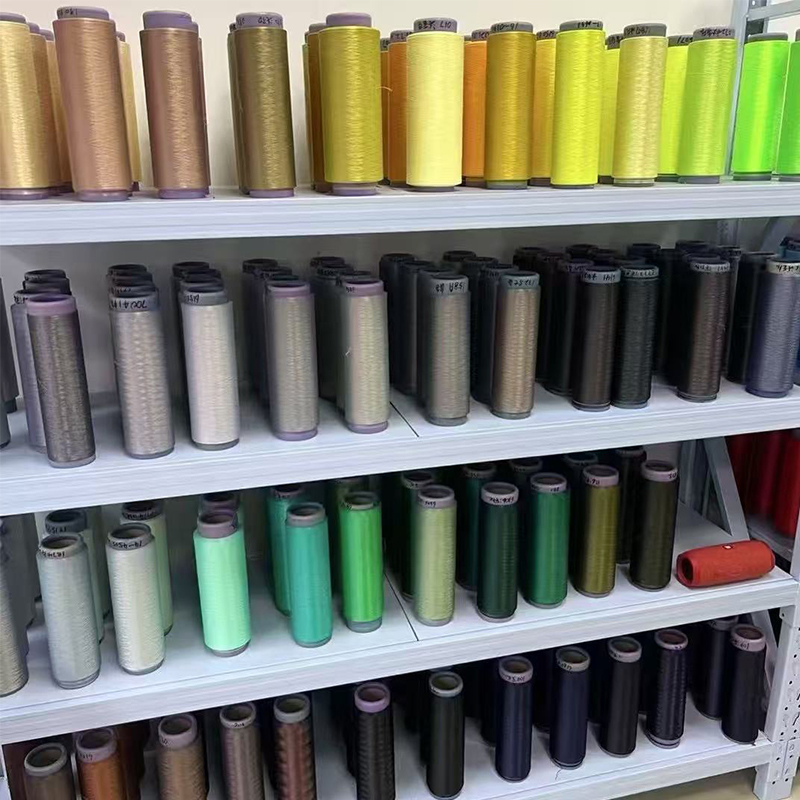
Intermingling level describes how firmly the filaments are held together. SIM (semi-intermingled) suits general knitting and weaving, while HIM (high-intermingled) keeps filaments tighter, which helps when the yarn runs on fast machines or is handled a lot. Luster is a separate choice: semi-dull, bright, and full-dull all come in the same denier and filament combinations, and dope-dyed versions add color without a separate dyeing step.
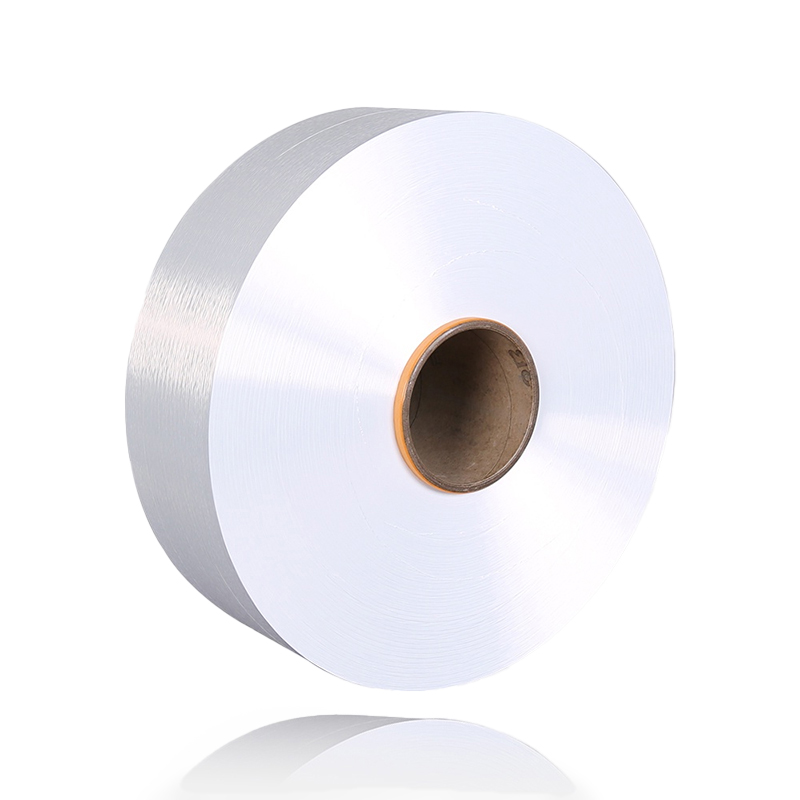
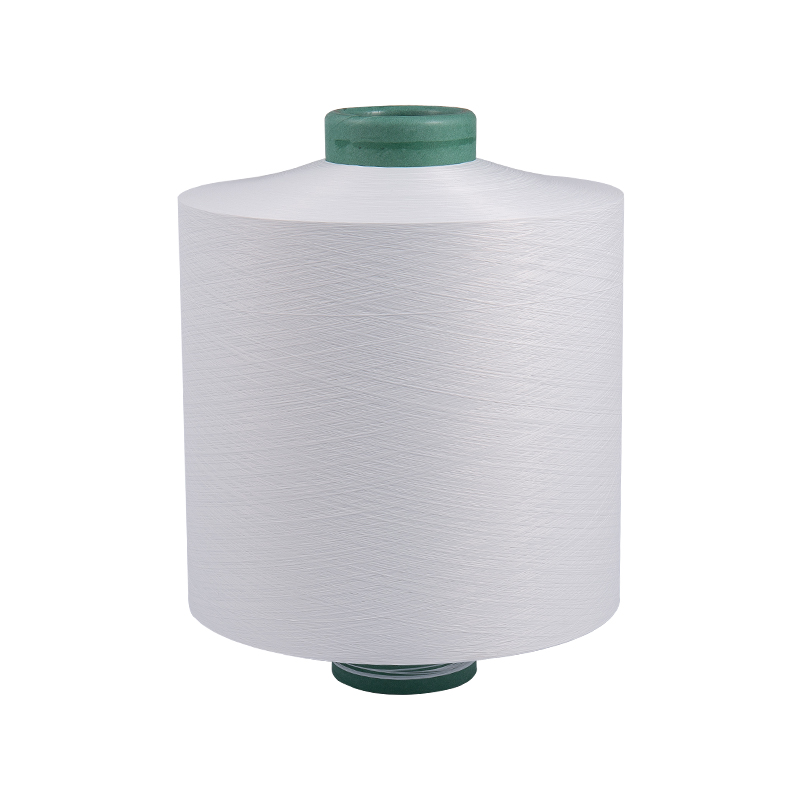 Semi-Dull SIM DTYGeneral-purpose semi-dull polyester DTY with semi-intermingled (SIM) construction for knitting and weaving; request details on available specs.View Product →
Choosing the Right Spec
Start from the fabric. Fine, soft fabrics lean toward lower denier per filament, while heavier fabrics use higher denier. Then decide how much cohesion the yarn needs on your machine, and finally the luster or color. If your spec is not on a standard list, denier, intermingling points, and other parameters can be adjusted to the order, so it is worth sending your fabric requirements along with the request.
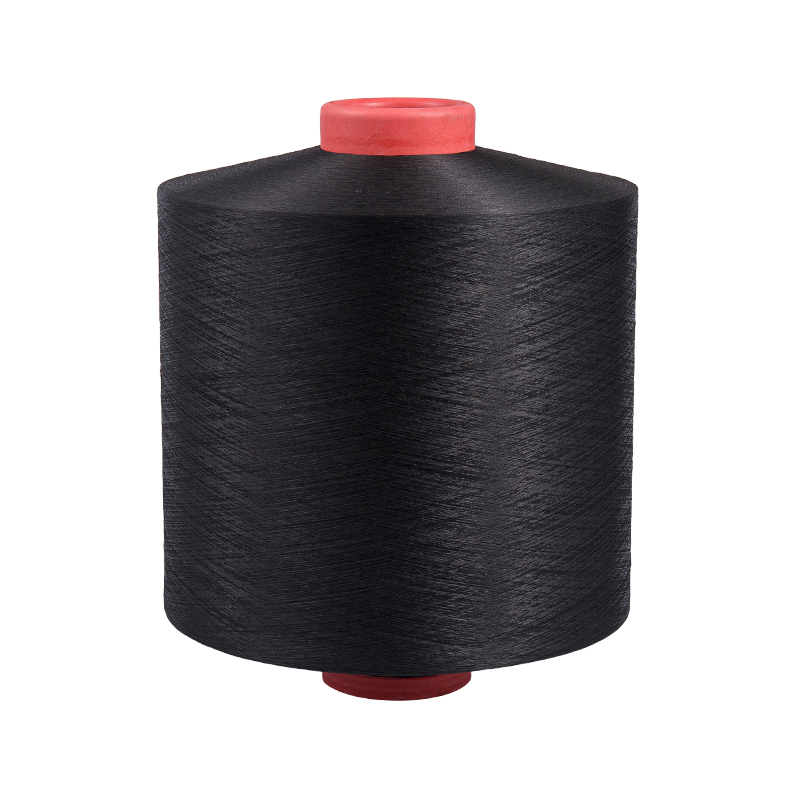 Dope-Dyed Black SIM/HIM DTYDope-dyed black polyester DTY with color set at the spinning stage, available in SIM or HIM construction.View Product →
For heavier, bulkier needs, see our guide to high-denier DTY from 600D to 1800D for mattress filling.

GLOBAL BUSINESS
Backed by stable production capacity and integrated manufacturing and trading capabilities, Zhenyi Chemical Fiber is committed to serving customers in international markets. Our team provides responsive support throughout product selection, order coordination, export documentation and shipment arrangements. We aim to build long-term partnerships through consistent product quality, clear communication and dependable service.
Ready to Begin?
Categories
Contact Information

 +86-18258373586
 No. 318 Huiye Road, Fengming Subdistrict, Tongxiang, Jiaxing, Zhejiang, China.
Copyright © ZHENYI CHEMICAL FIBER All rights reserved.
